

Medical & Clinical Fellowship Programs in Germany
Germany Specialists
United States of America, Canada, Europe, Australia
All Over the Globe- Economy Rates & Reasonable Services


Medical & Clinical Fellowship Programs in Germany
Germany offers outstanding medical and clinical research fellowships that attract physicians worldwide. Its universities and university hospitals rank among Europe’s strongest in translational medicine, oncology, neuroscience, immunology, and biomedical engineering. These programs provide structured research immersion, access to cutting-edge laboratories and clinical data, strong mentorship, and internationally recognized certificates—while allowing doctors to build valuable European networks and strengthen their academic careers, all without requiring a German medical license for pure research stays.
- Easy to Use
- Mobile Check-In
- Account Activity
- Fast Connection
- Great Security
- Friendly Support
- Technical University of Munich (TUM) – Munich
- Ludwig Maximilians University Munich (LMU) – Munich
- Heidelberg University – Heidelberg
- Freie Universität Berlin – Berlin
- Karlsruhe Institute of Technology (KIT) – Karlsruhe
- RWTH Aachen University – Aachen
- Humboldt University Berlin – Berlin
- Technische Universität Berlin – Berlin
- Universität Hamburg – Hamburg
- University of Freiburg – Freiburg
- University of Bonn – Bonn
- University of Tübingen – Tübingen
- Technische Universität Dresden – Dresden
- FAU Erlangen-Nürnberg – Erlangen/Nürnberg
- University of Göttingen – Göttingen
- TU Darmstadt – Darmstadt
- University of Cologne – Cologne
- University of Stuttgart – Stuttgart
- Goethe University Frankfurt – Frankfurt
- University of Münster – Münster
- Ruhr University Bochum – Bochum
- University of Würzburg – Würzburg
- University of Mannheim – Mannheim
- Leibniz Universität Hannover – Hanover
- University of Konstanz – Konstanz
- University of Bayreuth – Bayreuth
- Johannes Gutenberg University Mainz – Mainz
- University of Potsdam – Potsdam
- TU Bergakademie Freiberg – Freiberg
- Justus Liebig University Giessen – Giessen
- Technical University of Munich (TUM) – Munich
Visiting Fellowship for Physicians- Medical & Clinical Fellowship Programs in Germany
The Technical University of Munich (TUM) stands as Germany’s foremost technical and medical research institution, integrating its School of Medicine and Health Sciences with leading clinical centers such as the Klinikum rechts der Isar. For physicians seeking academic exchange, the Visiting Fellowship for Physicians at TUM provides research-oriented immersion rather than clinical practice, designed to strengthen international collaborations, foster experimental medicine, and advance translational biomedical research.
Program Purpose and Scope
 The fellowship enables visiting doctors to participate in ongoing clinical or laboratory research projects under the mentorship of host professors affiliated with TUM’s medical faculty. TUM specifically defines the program as a “Visiting Research Stay” within the Medical Research Center, applicable to MDs, PhDs, or equivalent-qualified clinical scientists with demonstrable research backgrounds. Fellows work in the domains of oncology, neurology, molecular biomedicine, regenerative medicine, digital diagnostics, and medical data science. No direct patient treatment is legally permitted unless the visiting physician holds a German medical license (Approbation).
Duration and Timing Medical & Clinical Fellowship Programs in Germany
Visiting physician fellowships are awarded for three to twelve months, typically beginning in April (Summer Semester) or October (Winter Semester), matching TUM’s official academic calendar. Limited short-term placements (six to eight weeks) may be arranged for observational research visits, especially if funding is externally supported (e.g., DAAD, EU Horizon, or national foundations). Applications are accepted year-round, though final nominations generally close three months before semester start.
Eligibility Criteria
Applicants must:
- Hold an MD or equivalent medical degree from a recognized university.
- Possess research experience (at least two years of clinical or scientific work).
- Have English proficiency at CEFR level B2 or higher; German is recommended for collaborative discussions and institutional compliance.
- Demonstrate endorsement by a TUM host professor, evidenced through a formal Letter of Invitation.
- Provide evidence of adequate financing for accommodation and personal expenses, unless funded through DAAD or comparable programs.
Application Documentation
The standard application set includes:
- Cover letter specifying research objectives, duration, and preferred host department.
- Curriculum Vitae with publications and postgraduate medical training listed.
- Medical diploma and doctoral certificate (if applicable).
- Proof of current clinical registration/licensure in applicant’s home country.
- Passport scan and permanent residence proof.
- Two recommendation letters from academic supervisors.
- English or German language certificate.
- Research plan (2–3 pages) describing intended contribution to laboratory or clinical study.
All documents must be sent directly to the TUM Global & Alumni Office, which formally records visiting researchers in the university’s “Mobility Online” portal.
Selection and Endorsement Process Medical & Clinical Fellowship Programs in Germany
The selection procedure relies primarily on matching the applicant’s profile to TUM faculty interests. The host professor independently reviews applications, confirming laboratory capacity and project fit. After institutional approval, the applicant receives an Official Invitation Letter, necessary for visa issuance (Type D researcher visa). Fellows are then registered with the TUM Human Resources guest database to obtain temporary campus credentials.
Funding and Support Medical & Clinical Fellowship Programs in Germany
Visiting physician fellowships are usually unpaid academic stays, but participants may apply for supplementary funding sources:
- DAAD Short-Term Research Grants (1–6 months, €1,300/month).
- TUM International Center Research Sponsorship (up to €1,500/month).
- EU MSCA or EMBO short fellowships.
Health insurance and housing costs are borne by the fellow, with assistance provided by TUM’s medical international desk. The Klinikum rechts der Isar offers on-campus hospital accommodation for research staff starting at €650 per month.
Conditions & Regulatory Notes
Since TUM’s hospital is a licensed clinical institution under Bavarian health law, foreign physicians cannot practice medicine, prescribe, or perform procedures unless they hold recognized Approbation or Berufserlaubnis. Instead, they may engage in observational and data-based collaboration, participate in lab trials, and co-author scientific papers. Participation in patient care activities is permitted only as an observer.
Outcomes and Benefits
On completion, fellows receive a formal Certificate of Completion jointly issued by the TUM School of Medicine and the International Center, specifying duration, supervisor, and research field. Many alumni use the stay to publish joint papers, apply for subsequent postdoctoral posts in Germany, or qualify for longer research residency fellowship tracks within the European Research Area. Networking through TUM’s Clinician Scientist Program provides continuation opportunities for physicians intending to transition from clinical practice to medical innovation or global collaborative trials.
Key Summary:
- Type: Non-clinical research fellowship for physicians
- Duration: 3–12 months
- Start months: April / October
- Core documents: MD degree, research proposal, invitation letter, CV, proof of funds
- Language: English (mandatory), German (recommended)
- Funding: DAAD or institutional stipend (~€1,300–€1,500/month)
- Clinical access: Limited to observation only
- Outcome: Official certificate; publication potential; pathway toward European postdoctoral mobility
This structured visiting fellowship at TUM exemplifies Germany’s medical research openness—strict on practice licensing but innovative in welcoming physician‑scientists to engage in cross‑border, multidisciplinary biomedical exploration within one of Europe’s highest‑ranked medical research environments.
- Ludwig Maximilians University Munich (LMU) – Munich Medical & Clinical Fellowship Programs in Germany
Visiting Fellowship for Physicians
The Ludwig Maximilians University Munich (LMU), founded in 1472, is internationally identified as one of Europe’s premier medical universities. Its Faculty of Medicine, integral to the LMU University Hospital (Klinikum der Universität München), hosts a distinguished network of clinical and fundamental research centers across Großhadern and Innenstadt campuses. The Visiting Physician Fellowship established under LMU’s “International Academic Exchange” policy offers physicians the chance to conduct scientific and translational medical research in a highly integrated environment, explicitly designed to expand clinical research competence rather than hands‑on treatment.
Program Aim and Structure
LMU’s visiting fellowship for physicians supports research visits within its clinical departments. The emphasis lies on translational medicine, neuroimmunology, molecular diagnostics, radiology innovation, oncology, and public health & epidemiology. Fellows become part of research teams led by LMU principle investigators but remain observers for clinical procedures unless formally licensed in Germany. The fellowship functions as LMU’s “Gastwissenschaftler Program” (Visiting Researcher Scheme), coordinated by the LMU Gateway Office.
There are three pathways:
- Short‑term research stay (up to 3 months) – usually for data analysis, laboratory collaboration, observational studies.
- Mid‑term fellowship (4–12 months) – for experimental projects with publications outcome.
- Joint DAAD‑LMU Research Fellowship – co‑funded by DAAD grants allowing structured mentorship for foreign MD researchers.
Application Periods & Duration
LMU accepts visiting physician applications twice yearly:
– For Summer Semester, submission closes December 15; start between April–June.
– For Winter Semester, submission closes June 15; start between October–December.
Shorter placements may be processed continuously if a hosting professor agrees and visa processing time permits. Minimum stay recognized for certification is six weeks, maximum twelve months.
Eligibility Requirements
To join the LMU fellowship, candidates must:
- Hold a recognized MD or MBBS degree, awarded from a WHO‑listed medical school.
- Have at least two years of postgraduate clinical or research experience.
- Possess a publication record or documented laboratory experience relevant to the proposed project.
- Demonstrate proficiency in English or German at level B2 or higher (IELTS ≥ 6.5 or TestDaF ≥ 4).
- Secure an invitation letter from an LMU professor confirming research hosting.
- Proof of financial sponsorship or fellowship funding (LMU does not normally pay salary).
Required Documentation Medical & Clinical Fellowship Programs in Germany
Applicants must prepare an electronic dossier that includes:
– Detailed cover letter outlining research interests, proposed start date, and LMU department.
– Research proposal (2–3 pages) describing hypothesis, methods, and collaboration plan.
– Curriculum Vitae, including full publication list and clinical background.
– Medical diploma with certified translation if not in German/English.
– Doctoral certificate or evidence of equivalent postgraduate degree.
– Evidence of medical license in home country (non‑mandatory for pure research).
– Two academic references from senior physicians or professors.
– Language proof and passport scan.
Submission occurs through LMU’s online “Gastforscher Registration Portal,” after which the faculty coordinator validates document authenticity.
Selection & Approval
Every application first undergoes departmental review by the chosen host unit. Professors assess scientific fit, project goals, ethics compliance, and research funding feasibility. Subsequently, the LMU Gateway Office finalizes the registration, issues an Official Invitation Letter, and initiates visa documentation (category D – Research Stay). The process generally spans 6–8 weeks. Once approved, fellows obtain a temporary LMU Research ID granting access to hospital and laboratory networks.
Funding & Stipends
LMU fellowships are typically unfunded exchanges, but candidates can leverage several channels:
– DAAD Short‑Term Research Grant (monthly €1 ,300 – €1 ,500 ).
– LMU Academic Mobility Fund, providing travel reimbursement up to €1 ,000.
– DFG or EU collaborative projects (for extended stays under a research consortium).
Accommodation in LMU guest houses costs approximately €600–€850/month; scholarship recipients may receive partial housing allowance from the LMU Global Incentive scheme. All fellows must maintain valid health insurance recognized by Bavarian authorities.
Ethical and Regulatory Considerations
Because LMU University Hospital is a licensed clinical facility, visiting physicians without Approbation or Berufserlaubnis cannot perform medical procedures, consult patients, or sign clinical documentation. Their permitted roles include data interpretation, protocol design, laboratory experiments, literature evaluation, and participation in ward rounds solely as observers. LMU enforces strict compliance through the Medical Director’s Office for International Visiting Physicians, ensuring clarity of research‑only engagement.
Academic Integration Medical & Clinical Fellowship Programs in Germany
During the fellowship, visiting physicians are registered as “Research Guests” with limited academic rights; however, they are invited to attend LMU postgraduate seminars, clinician‑scientist lectures, and networking events through the Munich Medical Research School (MMRS). Supervision meetings occur weekly, and fellows may access institutional libraries, methodological training modules, and LMU’s internal grant‑writing courses.
Specialized collaborations are frequent with LMU partner institutes such as the Max Planck Institute of Psychiatric Research, the Helmholtz Center Munich, and the Comprehensive Cancer Center Munich (CCC Munich). These alliances broaden the scope of projects allowed within the fellowship, including translational cancer immunotherapy and neurodegenerative pathway analysis.
Certification & Post‑Fellowship Prospects
After the fellowship, LMU provides each participant a formal Certificate of Research Participation, including duration, department, and supervisor endorsement. This certificate bears university seals and functions as an official record for future postdoctoral or residency credentialing. Fellows often publish joint papers with LMU scientists, apply for DFG postdoctoral grants (Walter Benjamin Program), or extend collaboration through longer projects under EU Horizon Europe schemes.
Program Advantages
– Exposure to Germany’s largest university hospital network.
– Constant mentorship by senior clinician‑researchers.
– No tuition fees for research stay.
– Strong linkage with biochemical, neuro‑oncological, and molecular imaging labs.
– Career access to EU‑level medical research networks.
– Certificate recognized for academic promotion and revalidation abroad.
Core Summary
– Type: Non‑clinical research fellowship for foreign physicians.
– Duration: 6 weeks – 12 months.
– Application deadlines: Dec 15 / Jun 15.
– Documents: MD degree, invitation, proposal, CV, references, proof of funds.
– Language: English or German (B2+). Medical & Clinical Fellowship Programs in Germany
– Financial support: DAAD / LMU Mobility Fund (~€1 ,300–€1 ,500 p.m.).
– Clinical permission: Observation only unless approbated.
– Outcome: LMU Certificate of Research, publication partnership, gateway to DFG/European postdoctoral programs.
This fellowship at Ludwig Maximilians University Munich embodies the intellectual breadth and clinical depth of Bavaria’s medical landscape—offering physicians a path to merge patient‑centered curiosity with rigorous biomedical science under one of Europe’s oldest and most innovative medical faculties.
- Heidelberg University – Heidelberg
Visiting Fellowship for Physicians
Heidelberg University—officially Ruprecht‑Karls‑Universität Heidelberg—stands as Germany’s oldest institution of higher education and one of Europe’s finest centers of medical and life‑scientific research. Its Medical Faculty Heidelberg and the Heidelberg University Hospital (Universitätsklinikum Heidelberg) jointly administer a rigorously structured Visiting Fellowship for Physicians, dedicated to advanced medical scientists seeking immersive research exposure in clinical, translational, or experimental medicine. The program preserves Heidelberg’s reputation for pioneering cancer therapy, neurology, immunology, and bioinformatics, while maintaining strict limits on clinical activity for foreign physicians without German licensure.
Program Concept and Objectives
Heidelberg’s fellowship serves to connect international clinicians with faculty‑led projects, allowing them to observe, design, and analyze medical studies within Germany’s premier medical research ecosystem. It functions under the umbrella of the Heidelberg Medical Exchange Program (HMEP) within the International Relations Office of the medical faculty. Goals are threefold:
- Promote global exchange of physician‑scientists.
- Develop collaborative research in precision medicine and clinical data analytics.
- Foster publication in cross‑disciplinary biomedical journals.
Medical & Clinical Fellowship Programs in Germany
Fellows may join institutes ranging from Heidelberg Institute of Global Health (HIGH), German Cancer Research Center (DKFZ), to experimental laboratories in the Center for Infectious Diseases (CID) and Institute for Medical Biostatistics.
Duration and Start Dates
Fellowships operate continuously, with formal enrollment aligned to semester milestones—April 1 (Summer Semester) and October 1 (Winter Semester).
– Short‑term stay: 6–8 weeks (observership or data analysis).
– Standard research fellowship: 3–12 months.
Extension up to 24 months is possible through DAAD or DFG joint funding. Applications must reach Heidelberg’s International Office at least 3 months prior to planned arrival.
Eligibility Criteria
Candidates must satisfy academic, professional, and linguistic standards:
- Medical Degree (MD, MBBS, or local equivalent) from an accredited institution.
- Two years minimum clinical or research experience post‑graduation.
- Documented ability in scientific methodology, evidenced by publications or abstracts.
- Language Proficiency: English (B2 minimum) or German (B1 minimum) via IELTS ≥ 6.5/TestDaF ≥ 4.
- Formal invitation by a Heidelberg host professor or principal investigator.
- Proof of funding adequate for living expenses—approximately €1 ,200–€1 ,500 per month.
Application Package Medical & Clinical Fellowship Programs in Germany
Submission occurs electronically via Heidelberg International Portal for Visiting Scholars. The comprehensive dossier must include:
– Cover Letter (Statement of Intent) outlining academic goals and host institute.
– Research Proposal describing background, objectives, methodology, and anticipated outcomes.
– Curriculum Vitae with clinical training, publications, and current position.
– Degree Certificates and licenses (translated to German or English if required).
– Recommendation Letters—minimum two—from senior medical researchers.
– Evidence of funding (grant award or employer stipend).
– Language certificate proving proficiency.
– Passport copy valid for entire period.
Incomplete submissions are not processed; once validated, the faculty forwards a project approval to the university’s central guest researcher registry.
Selection and Institutional Approval
Selection occurs at department level under Heidelberg’s Faculty Research Committee and confirmed by the Dean of Medicine. Key criteria include academic merit, thematic alignment, and feasibility within faculty ethics requirements. Candidates then receive an Official Invitation Letter, an essential document for obtaining a German research visa (Type D). Final onboarding is handled by the Heidelberg Welcome Center, which supports housing, municipal registration, and insurance guidance.
Funding Opportunities
Although Heidelberg’s visiting fellowship excludes salaried positions, several funding mechanisms ensure accessibility:
– DAAD Short‑Term Research Grant (up to 6 months; €1 ,350/month + travel).
– Heidelberg Research Center Mobility Award (travel grant up to €1 ,200).
– European Cancer Research Fellowship DKFZ–Heidelberg Cooperative Scheme, offering partial stipends for oncology‑related projects.
Accommodation in Heidelberg is supported by the International Guest House, priced €500–€800/month, depending on duration.
Legal and Clinical Conditions Medical & Clinical Fellowship Programs in Germany
By German law, a foreign physician cannot treat patients without validated Approbation or temporary Berufserlaubnis. Hence, Heidelberg’s visiting physicians participate only in observational rounds, research data interpretation, laboratory experiments, protocol drafting, and academic teaching assistance when approved. Clinical shadowing is allowed solely under direct supervision and written departmental authorization. Ethical clearance for any human data or biosample use is obtained through Heidelberg Ethics Committee before project initiation.
Academic Environment Medical & Clinical Fellowship Programs in Germany
Heidelberg offers a distinctive multi‑institutional medical research landscape:
– German Cancer Research Center (DKFZ)—Europe’s largest oncology institute, hosting numerous physician‑scientists.
– European Molecular Biology Laboratory (EMBL)—a partner for advanced molecular biomedicine.
– Heidelberg Center for Integrated Training—providing workshops on biostatistics and grant writing.
Fellows can access all these facilities through LMU‑Heidelberg joint credentials. Weekly seminars, journal clubs, and grand rounds encourage cross‑disciplinary scientific dialogue.
Certification and Outcomes
Successful fellows obtain a Certificate of Visiting Research Fellowship signed by their host professor and the Dean of Medicine. This certificate specifies duration, research area, and project title, acknowledging formal completion under university protocols. Optional credit recognition enables subsequent enrollment in PhD tracks or Clinician Scientist Programs.
Most alumni publish in peer‑reviewed journals with Heidelberg mentors, pursue DFG Walter Benjamin or Heisenberg fellowships, or continue within EU frameworks such as Horizon Europe. The fellowship often becomes a stepping stone towards full‑time postdoctoral appointments in German or European medical research institutions.
Support Services
The Heidelberg Welcome Center assists with residence permit, health insurance (Techniker Krankenkasse or AOK models), and social integration. Fellows receive access to Heidelberg library and IT systems, biometric lab facilities, and in certain cases, DKFZ oncology training modules. Cultural programs help foreign doctors acclimate to German research and ethics standards.
Core Summary Medical & Clinical Fellowship Programs in Germany
– Program type: Research & observership fellowship for physicians.
– Duration: 6 weeks – 12 months (extendable to 24 months).
– Start dates: April 1 / October 1.
– Application deadline: 3 months before start.
– Documents: MD degree, proposal, invitation, funding evidence, CV, recommendations, language proof.
– Language: English B2 / German B1.
– Funding: Usually via DAAD Grant (~€1 ,350 p.m.) or DKFZ‑Heidelberg stipends.
– Clinical access: Observation and research only.
– Certification: Official Heidelberg Certificate of Research Participation.
– Research links: DKFZ, EMBL, Heidelberg Institute of Global Health.
Heidelberg University’s Visiting Fellowship for Physicians encapsulates the essence of European translational medicine—merging millennium‑old medical scholarship with cutting‑edge biomedical discovery. It invites doctors worldwide to contribute scientific insight to its renowned institutions, gaining exposure to advanced methodologies and building sustainable collaborations that define modern clinical research leadership.
- Freie Universität Berlin (FU Berlin) – Berlin
Visiting Fellowship for Physicians
The Freie Universität Berlin (FU Berlin) — founded in 1948 as Berlin’s “Free University” — stands among Germany’s elite research universities, particularly distinguished for its robust partnerships with Charité – Universitätsmedizin Berlin, the Max Planck Institutes, and the Berlin Institute of Health (BIH). Its Visiting Fellowship for Physicians integrates directly with these institutions’ biomedical and translational research networks, targeting foreign medical doctors who wish to engage in non‑clinical research within the German capital’s global scientific ecosystem.
Aim and Philosophy
The fellowship nurtures the development of physician‑scientists, promoting international exchange in biomedical innovation rather than clinical practice. Its core mission is to allow qualified physicians to contribute to active projects in molecular physiology, neuroscience, infectious disease, public health, digital medicine, and bioethics while observing operational models of German university hospitals. Since FU Berlin does not maintain a standalone medical faculty (it co‑operates with Charité), the entire fellowship’s laboratory and patient‑data activities occur in coordination with Charité’s clinical departments or affiliated Berlin research institutes.
Program Type and Host Structure
Technically, the opportunity is a “Gastwissenschaftler Programm” (Visiting Researcher Program) managed by FU’s Center for International Co‑operation (CIC) and the Office of Medical Relations – Charité/FU Interface. Each fellowship is anchored by a scientific host, usually a professor or research group leader in biomedical or health sciences. Physicians may select among project tracks:
- Clinical Research Fellowship – Observational (non‑interventional data studies).
- Basic Science Fellowship – Laboratory collaboration at FU‑Charité Biomedical Campus.
- Epidemiology & Global Health Fellowship (co‑ordinated with Institute of Public Health BIH).
The fellowship is purely research‑oriented; clinical care participation is observational only, in compliance with German medical licensing laws.

Duration and Start Dates
Applications are welcomed year‑round, though structured entry aligns to the two FU semesters:
– Summer Semester (April – September)
– Winter Semester (October – March)
Typical stay lengths:
– Short fellowship: 6–8 weeks (pilot exchange)
– Standard fellowship: 3–12 months
– Extended collaboration: up to 18 months under DAAD or EU Horizon Europe funding
All selected fellows are formally registered in FU’s Gastforscher‑Database; start dates depend on visa and host availability.
Eligibility Criteria Medical & Clinical Fellowship Programs in Germany
Applicants must demonstrate:
- Medical degree (MD, MBBS, or equivalent) from an internationally recognized institution.
- Minimum 2 years of postgraduate medical or research experience.
- Evidence of research competence (publication, study participation, or lab work).
- English proficiency B2 or German B1 minimum.
- Official invitation letter from FU/Charité professor or BIH investigator.
- Proof of financial coverage (self‑funded or through scholarship; approx. €1 ,300–€1 ,600 monthly expenses).
The university recommends DAAD or institutional sponsorship to ensure living sustainability.
Application Documentation
Applications are submitted electronically via the FU Berlin Mobility Online Portal and require:
– Motivation letter outlining intended project & relevance to applicant’s practice.
– Detailed research proposal (2–3 pages) specifying aims, methodology, timeline.
– Curriculum Vitae (clinical background + publications).
– Degree and license certificates (notarized translation if needed).
– Two academic references from senior medical mentors.
– Language certificate (IELTS ≥ 6.5 or TestDaF ≥ 4).
– Invitation letter from FU Berlin/Charité host.
– Financial proof and passport scan.
After submission, departmental pre‑approval is followed by CIC’s centralized validation. Acceptance triggers registration at the Berlin Welcome Center, which supports health insurance setup and accommodation.
Selection Process
Selection emphasizes academic excellence, feasibility, and research relevance. Each hosting department reviews the application for compatibility with current projects and capacity. The faculty’s International Research Committee issues the Official Invitation Letter used for visa application (long‑term research visa – category D). Final confirmation requires proof of travel medical insurance before arrival. The process spans roughly 6–10 weeks depending on applicant nationality.
Funding Schemes and Stipends
FU Berlin itself offers no salary but provides multiple funding mechanisms:
– DAAD Short‑Term Research Grant (€1 ,400–€1 ,500/month).
– FU Berlin Travel Grant Program (CIC) for airfare reimbursement up to €800.
– Berlin Graduate Network Mobility Awards for collaborative projects (€1 ,200 flat).
Optional joint grants exist with the Berlin Institute of Health (BIH) for translational schemes in molecular medicine or public health.
Accommodation support includes access to FU Guest Houses (Lankwitz Campus, c. €550–€900/month). Health insurance is mandatory under German law; the CIC provides advisory facilitation.
Legal & Clinical Limitations
In Germany, only physicians possessing Approbation (full medical licensure) can practice or directly engage in patient treatment. Visiting fellows cannot prescribe, perform interventions, or sign charts. They are instead permitted to:
– Attend ward rounds as observers. Medical & Clinical Fellowship Programs in Germany
– Conduct non‑invasive data analysis.
– Participate in research protocol drafting and ethics submissions.
– Collaborate in biomedical laboratories and systematic reviews.
FU Berlin’s compliance office—joint with Charité—monitors visitor roles stringently to uphold ethical and regulatory norms.
Research and Collaborative Environment
FU’s biomedical network offers rich intersections:
– Charité – Universitätsmedizin Berlin: Germany’s top university hospital, joint faculty for FU Berlin and Humboldt University.
– Berlin Institute of Health (BIH): Integrates artificial intelligence, clinical data science, and translational platforms accessible to visiting physicians.
– Max Planck Institute for Molecular Genetics: Opens select laboratory modules for fellows.
Through FU’s Clinician‑Scientist Forum, visiting doctors join weekly colloquia, receive mentorship on research ethics and digital medicine, and can attend Berlin Biomedical Alliance Seminars.
Certification & Post‑Fellowship Outcome
Upon completion, fellows obtain a Certificate of Research Participation issued jointly by FU Berlin’s Center for International Co‑operation and the host institute (often Charité). The certificate states duration, research field, project title, and supervising professor, substantiated by official signatures. This credential is globally recognized as proof of scientific collaboration within the European Research Area.
Graduates frequently:
– Co‑author publications with Berlin investigators.
– Progress into postdoctoral clinician‑scientist tracks under Charité Research School.
– Apply for DFG Walter Benjamin Program or BIH Visiting Researcher Grants to return for extended collaboration.
Heidelberg–Berlin joint networks often absorb FU fellows into broader oncology or neuroscience studies.
Professional and Cultural Support
The Berlin Welcome Service ensures logistical stability—visa registration, housing, and institutional access. The university hosts intercultural workshops, orientation days, and professional German language courses free of charge for fellows staying six months or more. Berlin’s international research climate exposes participants to over 100 nationalities, enhancing cross‑cultural medical communication skills integral to global health practice.
Summary Medical & Clinical Fellowship Programs in Germany
– Type: Research fellowship for foreign physicians.
– Duration: 6 weeks – 12 months (extendable 18 months).
– Start: April / October or rolling start.
– Application: Electronic via FU CIC; minimum 3 months in advance.
– Documents: Proposal, CV, invitation, recommendations, funding, license.
– Language: English B2 / German B1+.
– Funding: DAAD (~€1 ,400–€1 ,500 monthly) or FU Travel Grant.
– Clinical role: Observation & research only.
– Outcome: Joint FU‑Charité Certificate of Research; entry point for DFG/BIH postdoctoral programs.
The Freie Universität Berlin Visiting Fellowship for Physicians epitomizes Germany’s openness to interdisciplinary research exchange. By pairing FU’s scientific depth with Charité’s world‑renowned hospital legacy, it offers physician‑scientists an intellectually vibrant, ethically transparent environment to refine academic medicine and participate in the European transformation of healthcare innovation.
5. Karlsruhe Institute of Technology (KIT) – Karlsruhe
Visiting Fellowship for Physicians
The Karlsruhe Institute of Technology (KIT), celebrated as Germany’s epicenter of engineering and applied data science, also sustains influential biomedical and health‑related research departments bridging medicine, technology, and computational sciences. Although KIT does not run a full clinical medical faculty, it partners deeply with University Hospital Karlsruhe and the Heidelberg University Faculty of Medicine through shared institutes such as the Institute for Biomedical Engineering (IBT) and Karlsruhe Research Center for Digital Health. Its Visiting Fellowship for Physicians uniquely centers on medical technology, translational biophysics, and data‑driven clinical innovation, targeting medical doctors interested in merging clinical insight with technological research.
Purpose & Philosophy
KIT’s fellowship promotes the evolution of physician‑engineers—clinicians capable of interpreting and designing digital instrumentation and scientific algorithms for healthcare advancement. The program invites foreign medical doctors experienced in clinical practice who aspire to supplement their careers with research in biomedical robotics, AI‑based diagnostics, medical image analysis, wearable health sensors, and bioinformatics of disease modeling. Its format is that of a Visiting Researcher Program under the KIT International Affairs Office, offering pure research participation with strict non‑clinical guidelines.
Program Structure
The fellowship runs under the umbrella of KIT’s Health Technology and Informatics Division across several institutes:
– Institute for Biomedical Engineering (IBT) — physiological signal processing and prosthetics.
– Institute of Automation and Applied Informatics (IAI) — machine learning for medical imaging.
– Faculty of Electrical Engineering and Information Technology — neural interface research.
– Collaborative Laboratories with the University Hospital Karlsruhe — medical robotics evaluation.
Visiting physicians are embedded as guest researchers collaborating on data, analysis, and device‑prototype testing. Clinical observation within Karlsruhe Hospital is permitted for educational purposes but not for patient manipulation unless the fellow holds German Approbation.
Duration & Intakes
KIT operates on a continuous visiting schedule but aligns with academic semester cycles:
– Winter Semester: Starts October 1.
– Summer Semester: Starts April 1.
Possible durations:
– Short fellowship: 6–8 weeks (orientation or project familiarization).
– Standard research visit: 3–12 months (full collaboration cycle).
– Extended research contract: up to 18 months or renewed through DAAD / DFG grants.
Applications are processed at least three months prior to the intended arrival.
Eligibility Standards Medical & Clinical Fellowship Programs in Germany
Candidates should fulfill the following conditions:
- Medical degree (MD, MBBS or equivalent) accredited by a recognized institution.
- Minimum two years of postgraduate medical experience.
- Proven interest or prior exposure to scientific or technological research (publications, conference abstracts, or device evaluation projects).
- English proficiency at CEFR B2 or higher; German proficiency recommended (some internal documents in German).
- Invitation letter from a KIT host professor confirming laboratory capacity.
- Demonstrated funding support (self financing or scholarship; monthly living cost €1 ,400 approx).
Physicians from technical or radiology backgrounds have a noticeable advantage due to the project’s technology orientation.
Documents Required
Applicants assemble a digital dossier submitted via KIT Mobility Online system:
– Personal application letter describing motivation and desired laboratory.
– Research proposal outlining clinical implications of planned technological study.
– Comprehensive CV, including professional medical registrations and publications.
– Copy of medical degree and translation (German or English).
– Recommendation letters (two) from university or hospital supervisors.
– Invitation letter from KIT professor.
– Language certificate (IELTS ≥ 6.5 / TOEFL 90).
– Proof of funding, passport copy, and insurance statement.
Once validated by the International Office, qualified applications proceed to the faculty’s Admissions Review Committee for approval.
Selection Mechanism & Visa Formalities
Acceptance depends on project relevancy, research feasibility, and pre‑approved laboratory space. After faculty endorsement, KIT issues an Official Invitation Document, which serves for visa acquisition—Germany’s Research Visa (Type D). A formal Guest Agreement follows, specifying duration, scientific duties, confidentiality obligations, and compliance with data‑protection regulations. Arriving guests register at Karlsruhe’s municipal office and KIT Welcome Center for ID issuance.
Funding Options
The fellowship itself contracts no salary but allows use of external or institutional grants:
– DAAD Short‑Term Research Grant (€1 ,350 – €1 ,500 per month + travel).
– KIT Researcher Exchange Fund, covering accommodation allowance up to €900.
– DFG‑Collaborative Projects under KIT–Heidelberg Research Cluster for Bioengineering.
Low‑cost housing is provided within KIT International Guest House (single room €500–€750 monthly). Comprehensive health insurance (public or private) must be documented before arrival.
Legal Conditions & Clinical Practice Limits
KIT’s hospital partner is governed by Baden‑Württemberg medical laws: foreign physicians may observe clinical workshops but cannot perform or prescribe medical procedures unless they hold Approbation. Fellows are instead allocated roles in pre‑clinical simulation laboratories, device calibration, and algorithmic work. Projects may include patient‑data analysis only after ethical clearance by the Karlsruhe Ethics Board.
Academic Integration & Mentorship
During the fellowship, each physician joins one of KIT’s research groups supervised by postdoctoral engineers and biomedical scientists. Weekly interdisciplinary seminars address device legislation, ISO medical standards, and machine‑learning safety protocols. Fellows also have access to joint courses offered by the Karlsruhe Medical Device Innovation Center (MDIC), bridging clinical knowledge with engineering design. KIT strongly encourages co‑authorship on engineering‑medicine publications and patents if contributions are substantial.
Beyond projects, visiting doctors may participate in the Digital Health Forum Karlsruhe, attending symposia with start‑ups and government health agencies. This cross‑sector environment provides exposure to translational development, regulatory approval stages, and technology entrepreneurship.
Certification & Completion Medical & Clinical Fellowship Programs in Germany
At fellowship conclusion, KIT presents a formal Certificate of Visiting Research Participation, specifying project title, supervisor, duration, and outcomes. This credential, endorsed by the Dean of Natural and Applied Sciences, validates contribution in medical technology research and facilitates future collaborations under EU research frameworks.
Many graduates extend the partnership by enrolling into the Biomedical Engineering PhD Track (KIT–Heidelberg Joint Program) or the Clinician‑Scientist Exchange with Heidelberg Medical Faculty. Publications or prototype documentation submitted under German Data Protection Act become part of KIT’s institutional repository, strengthening fellows’ academic profiles.
Support & Daily Living
The KIT Welcome Center guides visa registration, accommodation, insurance, and cultural orientation. Intensive German language courses are available bi‑annually and recommended for stays exceeding six months. City living in Karlsruhe offers a balanced cost structure and proximity to Heidelberg, providing a comfortable environment for foreign physician researchers.
Summary
 – Program focus: Biomedical engineering & digital health research for physicians.
– Duration: 6 weeks – 12 months (extendable).
– Start: April / October.
– Requirements: MD degree, 2 years experience, proposal, invitation, language B2.
– Documents: CV, recommendations, proof of funding, passport, insurance.
– Funding: DAAD / KIT Exchange Grant (~€1 ,350–€1 ,500 monthly).
– Clinical work: Observation & research only.
– Outcomes: KIT Certificate, potential co‑authored paper, entry to Bioengineering PhD.
– Support: Welcome Center, Guest House, Cultural orientation.
In sum, the Karlsruhe Institute of Technology Visiting Fellowship for Physicians exemplifies Germany’s growing synergy between medicine and technology. It equips international doctors with research skills in data‑driven clinical innovation and machinery‑based diagnostics, enabling them to transform clinical intuition into tangible technological progress within one of Europe’s leading scientific institutions.
- Humboldt‑Universität zu Berlin (HU Berlin) – Berlin
Visiting Fellowship for Physicians
The Humboldt‑Universität zu Berlin (HU Berlin), established in 1810 by Wilhelm von Humboldt, stands among Germany’s oldest and most influential universities. Its scientific ethos gave rise to the “Humboldtian Ideal” — the symbiosis of teaching and research. Today the university’s Visiting Fellowship for Physicians operates in close association with Charité – Universitätsmedizin Berlin, jointly managed by FU Berlin and HU Berlin, making it one of the most comprehensive academic medical alliances in Europe. The fellowship concentrates on translational and interdisciplinary medical research for foreign physicians seeking non‑clinical integration into Berlin’s biomedical innovation ecosystem.
Purpose and Academic Framework
HU Berlin’s fellowship fosters exchange between international clinician‑scientists and its local faculty to promote multidimensional approaches to research: merging clinical insight with molecular, ethical, and social sciences perspectives. Physicians are placed within HU research departments affiliated to Charité, Berlin Institute of Health (BIH), or Max Delbrück Center for Molecular Medicine (MDC). The program welcomes doctors pursuing topics such as:
– Neurobiology and neuropathology,
– Translational oncology,
– Immunotherapy,
– Medical humanities and ethics,
– Computational neuroscience and health data analytics.
The goal is to encourage medical professionals to advance their skills in evidence‑based research methodology and cross‑disciplinary collaboration while observing institutional health governance at an internationally renowned research hub.
Program Type and Structure
Formally designated as a Gastwissenschaftlerprogramm (Visiting Scholar Program), the fellowship is coordinated by HU Berlin’s International Office in tandem with Charité’s Mobility Service for Visiting Researchers. Physicians apply directly to a faculty host who commits to supervising their research plan. The fellowship encompasses four distinct tracks:
- Academic Research Fellowship (non‑clinical)
– Integration into a Charité‑HU laboratory or clinical research group.
- Observational Clinical Fellowship Medical & Clinical Fellowship Programs in Germany
– Allows participation in ward rounds and seminars under strict non‑treatment regulations.
- Public Health and Policy Fellowship
– Research within the Institute of Social Medicine & Epidemiology of HU‑Charité.
- Bio‑Ethics or Medical Education Fellowship
– Cooperation with HU Faculty of Philosophy for ethical frameworks in modern medicine.
Every fellowship participant is registered as an HU guest researcher (not a student, not regular staff).
Duration and Deadlines
HU’s fellowship accepts applications continually but encourages alignment with academic semesters:
– Winter semester: October–March
– Summer semester: April–September
Appointments may last:
– Short stay: 4–8 weeks (for observational roles).
– Standard visit: 3–12 months.
– Extended research projects: up to 18 months (via DAAD, DFG, or ERC joint funding).
Deadlines:
– Winter intake: June 30.
– Summer intake: December 31.
Processing time usually spans 8–10 weeks for visa and institutional approval.
Eligibility Requirements
Applicants must demonstrate a solid medical and academic background. Minimum requirements:
- Medical degree (MD or equivalent).
- At least two years of postgraduate experience (clinical or academic).
- Research competence — publication record or evidence of research participation.
- English proficiency (B2); German recommended (B1 or higher).
- Confirmed host professor (from HU Berlin or Charité).
- Financing evidence — self‑funded or stipend support (approx. €1 ,400–€1 ,600 monthly living cost).
Candidates working in research‑oriented hospitals or global health institutions are highly encouraged.
Required Documentation
Submissions go through HU’s Mobility Portal for Guest Researchers:
– Motivation Letter — detailing research intent and expected impact.
– Research Proposal (2–3 pages).
– Curriculum Vitae (CV) — including medical specialization and publications.
– Academic Degree Certificates with translations (English/German).
– Two Recommendation Letters from senior academics.
– Invitation Letter from host professor.
– Language certificate (e.g., IELTS 6.5 / TestDaF 4).
– Proof of Funding and Health Insurance.
Upon approval, HU’s International Office issues a Guest Researcher Agreement, necessary for visa application.
Selection Process
The International Office and faculty selection committees jointly evaluate each application based on academic merit and institutional alignment. Selection factors include clarity of research objectives, relevance to HU’s medical clusters, host availability, and ethical compatibility. Final acceptances generate an official Invitation Letter, legally recognized for Research Visa Category D. Candidates must register with Berlin’s Municipality and HU International Welcome Center upon arrival.
Financial Support and Funding
HU Berlin itself does not directly fund the fellowship but offers access to multiple financial pathways:
– DAAD Short‑Term Research Grants (€1 ,400–€1 ,500/month + travel).
– Alexander von Humboldt Foundation visiting grants for senior physicians.
– HU‑Charité Mobility Stipend for airfare and local transport (€600–€800).
– Applications may ALSO piggyback on DFG Collaborative Research Centers (SFB) for co‑funding.
Accommodation assistance: HU Guest Apartments (central Berlin) ranging €500–€900/month. Fellows participate in subsidized health insurance schemes through Techniker Krankenkasse.
Research and Clinical Scope
Clinical involvement is officially limited to observation and academic discussion. Fellows may:
– Observe ward procedures under supervision.
– Participate in ethics meetings and research protocol design.
– Assist with data analysis and biostatistical work.
– Collaborate on literature reviews and translational scientific manuscripts.
HU Berlin strongly enforces separation between research participation and medical practice, respecting Germany’s licensing law (Ärzteordnung). Full “Approbation” is required for any direct patient care.
Research orientations within Charité‑HU collaboration include:
– Oncology and radiation research,
– Neurodegenerative disease biology,
– Infectious diseases and pandemic modeling,
– AI applications in diagnostic imaging,
– Ethical decision modeling in clinical practice.
Through the Berlin Center for Medical Data Science, visiting physicians gain exposure to machine‑learning frameworks, real‑time data analysis from electronic health records, and EU privacy law training.
Training and Mentorship
HU’s fellowship embeds participants in weekly Clinician‑Scientist Colloquia alongside doctoral students. Academic mentorship is provided by supervisors recognized by the DFG. Professional seminars include:
– Scientific Writing for Medicine.
– Responsible Research and Data Integrity.
– German Research Ethics & Legislation. Medical & Clinical Fellowship Programs in Germany
– Introduction to Charité Lab Infrastructure.
Each fellow receives a personalized work plan and progress evaluation every quarter.
Certificate and Post‑Program Outcomes
Upon completion, HU Berlin issues a Certificate of Visiting Research Fellowship, co‑signed by the Charité Faculty of Medicine. The certificate states duration, host supervisor, project title, and thematic focus. Its recognition extends to European Research Area institutions and supports future grant applications under DFG Walter Benjamin Program, BIH Clinician‑Scientist Fellowship, and Humboldt Foundation Return Fellowships.
Graduated fellows often:
– Co‑author research papers or review articles.
– Establish long‑term collaborations with HU/Charité labs.
– Move into Erasmus + Exchange programs for medical education.
– Join EU consortia on digital health.
Cultural and Professional Support
The HU Welcome Center offers visa assistance, residence registration, apartment guidance, and cultural orientation. Free German language courses are available each semester for scientists staying at least six months. Berlin’s central location ensures easy networking and attendance at national conferences. HU’s culture emphasizes diversity, inclusion, and scientific freedom, providing enrichment beyond laboratory boundaries.
Summary
 – Focus: Biomedical, clinical‑research, and ethics for foreign physicians.
– Duration: 4 weeks – 18 months.
– Application Deadline: Dec 31 / Jun 30.
– Eligibility: MD degree, 2 years experience, host confirmation, B2 English.
– Documents: Proposal, CV, invitation, recommendations, funding proof.
– Clinical Role: Observational only, no patient interaction.
– Funding: DAAD, Humboldt Foundation, DFG SFB.
– Outcome: Certificate of Visiting Research Fellowship + collaboration pathway.
The Humboldt‑Universität zu Berlin Visiting Fellowship for Physicians stands as a cornerstone for global clinician‑scientists aiming to link medical knowledge with cutting‑edge research in Germany’s capital. Through its uniquely integrated partnership with Charité and BIH, it provides foreign doctors with the intellectual tools, regulatory understanding, and multidisciplinary environment required to elevate their contribution to modern clinical science within the European context.
- RWTH Aachen University – Aachen
Visiting Fellowship for Physicians
The Rheinisch‑Westfälische Technische Hochschule Aachen (RWTH Aachen University), founded in 1870, is Germany’s largest technical university and among Europe’s leading centers for interdisciplinary research in engineering, natural sciences, and medicine. Its Visiting Fellowship for Physicians integrates clinical insight with advanced biomedical technology, focusing on translational medicine, biomedical engineering, digital diagnostics, and tissue regeneration. The program bridges RWTH’s eminent Faculty of Medicine and the University Hospital Aachen (Uniklinik RWTH Aachen), one of Germany’s most research‑intensive university hospitals.
Core Vision and Program Aim
RWTH’s fellowship cultivates international physician‑scientists who can connect clinical experience with engineering innovation. It particularly seeks practitioners interested in applying medical knowledge to AI‑based diagnosis, robotic surgery, tissue bioreactors, and digital health systems. The program adheres to RWTH’s “Science for Society” strategy—linking physicians to cross‑disciplinary laboratories for technology‑supported medicine—while respecting German medical law’s non‑practice distinction for visiting foreign doctors.
The fellowship’s philosophical foundation rests on the Aachen Medicine and Technology Bridge, connecting clinicians, physicists, and data scientists to redefine patient‑care paradigms through research.
Organizational Structure
The fellowship is coordinated through the International Research Office (IRO) and supported by the Faculty of Medicine’s Research Council. Participants are affiliated either to one of the following institutes according to research interest:
– Institute of Applied Medical Engineering (AME) – biosignal processing & surgical robotics.
– Institute of Molecular Medicine – gene‑based therapy and regenerative biology.
– Institute of Laboratory Animal Science (ILAS) – translational pre‑clinical testing.
– Interdisciplinary Center for Clinical Research (ZKF) – clinical trial methodology.
– Department of Medical Informatics – digital health analysis and telemedicine development.
The fellowship offers a pure research guest status; physicians are registered as Gastwissenschaftler (Visiting Researchers) and not as clinical practitioners.
Duration and Timeline
Applications are open year‑round with two suggested entry points:
– April 1 (start of Summer semester)
– October 1 (start of Winter semester)
Typical durations:
– Short term (6–8 weeks) for observational or feasibility visits.
– Standard research stay (3–12 months).
– Long‑term collaboration (18 months max; renewable through DAAD or DFG grants).
Processing from proposal to approval usually takes 8–12 weeks.
Eligibility Conditions
To qualify, applicants must:
- Hold a medical degree (MD, MBBS, MD‑PhD equivalent) recognized internationally.
- Possess at least two years postgraduate clinical or research experience.
- Demonstrate research capability (publications, presentations). Medical & Clinical Fellowship Programs in Germany
- Show English proficiency (B2) and recommended German skills (B1).
- Secure an invitation letter from a professor or research group leader at RWTH.
- Provide tentative funding plan covering living expenses ≈ €1 ,400/month.
Physicians in surgery, radiology, or internal medicine with interest in technology integration are especially favored.
Application Documentation
All files are submitted digitally to RWTH’s Mobility and Integration Portal. Required:
– Motivation Letter detailing research interests and clinical relevance.
– Research Proposal (2–4 pages, with objectives & methods).
– Curriculum Vitae including clinical roles & publications.
– Medical Diploma + certified translation.
– Two Recommendation Letters from academic supervisors.
– Invitation Letter from RWTH host professor.
– Language Certificate (IELTS ≥ 6.5 or TestDaF ≥ 4).
– Proof of Funding and Insurance Coverage.
The Faculty Research Council vets each application; final approval generates an official Invitation Document used to obtain the German Research Visa (Type D).
Financial Support and Fellowship Funding
RWTH provides access to domestic and external funding schemes:
– DAAD Short‑Term Research Grant (€1 ,450/month + travel cost allowance).
– RWTH Aachen University Hospital Research Stipend (€1 ,200/month for max six months).
– DFG‑Collaborative Research Center (SFB) co‑funds for biomedical projects.
– University Guest House Subsidy (€500–€700 monthly rent discount).
Fellows must hold health insurance valid in Germany; the IRO guides contract registration with authorized providers (e.g., TK or AOK Plus).
Legal Regulations and Clinical Scope
In accordance with the German Medical Licensure Act (Approbationsordnung für Ärzte), visiting physicians cannot examine, treat, or prescribe for patients. They may:
– Attend ward rounds and surgical demonstration sessions.
– Analyze medical imaging or biostatistical datasets.
– Conduct laboratory or device calibration tasks under supervision.
– Contribute to ethical protocol design and manuscript preparation.
Any clinical data access mandates approval from the RWTH Hospital Ethics Committee and compliance with EU GDPR regulations.
Research Areas and Collaborations
RWTH Aachen’s strength lies at the intersection of medicine and engineering:
– Biomedical Robotics & Prosthesis Development
– Regenerative Biomaterials and 3D Printing for Tissue Engineering
– Medical Image Processing and Machine Learning Diagnostics
– Cardiopulmonary Simulation and computational modeling.
– E‑Health System Design and Security Monitoring.
Visiting fellows collaborate within the Cluster of Excellence – Internet of Production (IoP) and cross‑faculty BioMatLab. Joint projects with Fraunhofer Institute for Production Technology (IPT) enable prototype development for surgical tools, expanding interdisciplinary exposure beyond laboratory work.
Mentorship and Training
Supervisors are selected from faculty chairs registered under the Interdisciplinary Center for Clinical Research (IZKF). Weekly seminars and cross‑faculty colloquia allow fellows to present interim results and receive scientific feedback. Specialist workshops include:
– Translational Medicine Methodology
– Biomedical Data Security Protocols
– Engineering Compliance for Health Devices
– Scientific Writing and Publication Strategy
The fellowship grants full access to RWTH’s library network, simulation centers, and computing clusters.
Certificate and Academic Outcome
After completion, fellows receive a Certificate of Research Participation issued jointly by RWTH Aachen University and the Faculty of Medicine. The certificate indicates period, host department, research focus, and outcomes. It is recognized within the German Academic Exchange Service and supports eligibility for next‑stage programs like DFG Walter Benjamin Scheme, RWTH Exchange PhD Track, or Marie‑Curie Postdoctoral Fellowships.
Many alumni publish co‑authored papers in Biomedical Engineering Online, European Journal of Medical Research, or IEEE Transactions on Medical Robotics. Others continue collaboration remotely or through the RWTH Aachen Medical Innovation Research Program.
Practical and Cultural Support Medical & Clinical Fellowship Programs in Germany
The RWTH Welcome Center manages logistics, residence registration, accommodations, and orientation. Aachen’s mid‑size city offers moderate living costs (€800–€1 ,000 monthly total). All visiting researchers are invited to intercultural training sessions and introductory German courses (free for stays ≥ six months). The region’s closeness to Belgium and the Netherlands enhances European scientific networking.
Summary
– Program Type: Research Fellowship for Foreign Physicians (non‑clinical).
– Duration: 6 weeks – 18 months.
– Start Dates: April / October.
– Eligibility: Medical degree, 2 years experience, research record, English B2.
– Documents: Letter of motivation, proposal, CV, recommendations, invitation, funding proof.
– Funding: DAAD and RWTH Hospital Grants (~€1 ,200–€1 ,450 monthly).
– Clinical Role: Observation and data‑‑analysis only.
– Outcome: Joint Certificate of Research Participation + future funding eligibility.
– Support: RWTH Welcome Center, Guest House, Language courses.
In essence, the RWTH Aachen University Visiting Fellowship for Physicians defines the future of medicine‑engineering convergence. With its powerful blend of clinical knowledge, technological innovation, and rigorous academic discipline, it offers international physicians the ability to contribute substantively to biomedical progress—within one of Germany’s highest‑ranking scientific environments—while experiencing firsthand the precision and collaborative energy that characterize Aachen’s global research landscape.
- Universität Freiburg – Freiburg im Breisgau
Visiting Fellowship for Physicians
The Albert‑Ludwigs‑Universität Freiburg, established in 1457, stands as one of Germany’s most venerable universities, renowned internationally for its excellence in medicine, neuroscience, immunology, and regenerative biology. Tightly integrated with the Universitätsklinikum Freiburg (University Medical Center Freiburg), the institution maintains a strong commitment to translational medicine and cross‑disciplinary scientific exploration. Its Visiting Fellowship for Physicians provides international doctors the opportunity to pursue academic and research collaboration within non‑clinical frameworks, leveraging Freiburg’s powerful research infrastructure, ethical standards, and European cooperative networks.
Concept and Program Orientation
The Freiburg fellowship program welcomes foreign physicians whose aim is to deepen expertise in advanced biomedical or clinical‑research domains without direct patient involvement. The initiative’s essence lies in linking clinical experience with experimental bioscience, digital medicine, and population health. Fellows are embedded within the Freiburg Institute for Advanced Studies (FRIAS) or directly in counterpart medical laboratories under the Faculty of Medicine.
The overarching objectives are:
– To foster global exchange between experienced clinicians and Freiburg’s academic researchers.
– To cultivate methodological skills in neuroscience, oncology, immunology, and bioinformatics.
– To reinforce evidence‑based translational processes from bench to bedside.
– To optimize ethical and regulatory awareness for international research cooperation within EU frameworks.
Administrative Framework and Host Institutions
The fellowship is coordinated jointly by:
– The Freiburg International Office (IWC) – handling documentation, visas, and onboarding.
– The FRIAS and Faculty of Medicine Research Administration (FMRA) – assigning research supervisors and verifying compatibility.
– The Universitätsklinikum Freiburg (UKF) – providing laboratory and data facilities.
Principal medical research entities for fellows include:
– Center for Chronic Immunodeficiency (CCI)
– Tumor Biology Center (TBC)
– Breisgau Neuroscience Cluster
– Institute of Molecular Medicine and Cell Research (IMMZ)
– Department of Medical Genetics and Biometry (MGB).
Each offers structured mentorship and research design alignment with the fellow’s proposal.
Duration and Timetable
Freiburg accommodates variable lengths:
– Short-Term Research Visits: 8 weeks (minimum).
– Standard Fellowship: 3 – 12 months (typical).
– Extended Collaborations: up to 18 months (for funded projects).
Preferred starting dates coincide with academic semesters:
– Summer intake: April 1.
– Winter intake: October 1.
Applications are accepted throughout the year; submissions for summer semester should reach by January 31, and for winter semester by July 31.
Eligibility and Competence Criteria
Applicants must present:
- Recognized medical degree (MD / MBBS / equivalent).
- Minimum three years post‑graduate experience in clinical or research settings.
- Documented interest in academic research (e.g. publications, pilot projects).
- Proficiency in English (B2) – German recommended (B1 or higher).
- Official Invitation from Host Professor.
- Financial security evidence (€1 ,400–€1 ,600 per month).
Priority fields include internal medicine, neurology, oncology, and biomedical informatics.
Required Documents Medical & Clinical Fellowship Programs in Germany
Applications via Freiburg’s Mobility Online Portal demand:
– Personal Statement explaining research aims.
– Detailed Research Proposal (2–4 pages, timeline, methods).
– Curriculum Vitae (CV) with professional history & publications.
– Medical Diploma and Transcripts.
– Recommendation Letters (2 academic mentors).
– Host Professor Invitation Letter.
– Language Certificate (IELTS ≥ 6.5 or Goethe B1).
– Proof of Funding & Health Insurance.
After review, the International Office and Faculty of Medicine jointly issue a Visiting Researcher Agreement, which serves for German Research Visa application.
Funding Mechanisms and Financial Assistance
While Freiburg does not provide direct stipends, funding channels commonly used by fellows include:
– DAAD Research Grant (€1 ,400–€1 ,525 per month + travel support).
– Alexander von Humboldt Foundation Feodor‑Lynen Fellowships (for experienced medical scientists).
– FRIAS Internal Mobility Allowance (~€700 monthly supplement).
– Institutional Project Funds (SFB or DFG) where host lab collaborates.
Freiburg’s International Center assists with housing within University Guest Residences (€500–€850/month), and offers guided registration with Techniker Krankenkasse or AOK.
Clinical Participation and Legal Boundaries
Foreign physicians may not practice clinically due to absence of German Approbation. Activities focus on academic and research engagement:
– Observation of clinical ward protocols (no interaction with patients).
– Participation in grand rounds and seminars.
– Assistance with data interpretation and biostatistical analysis.
– Contribution to manuscript preparation and research design.
– Attendance in interdisciplinary research symposia.
All data use and lab work must follow Ethics Committee approval and GDPR standards.
Research Domains and Laboratory Opportunities
Freiburg’s Faculty of Medicine is internationally recognized for:
– Molecular Oncology — tumor microenvironment and immunotherapy.
– Neuroregeneration & spinal cord repair.
– Immune system metabolism in autoimmune disease.
– Stem cell technologies and organoid modeling.
– Digital pathology and AI‑based radiological quantification.
The fellowship’s translational orientation offers foreign doctors direct insight into mechanisms linking molecular understanding to clinical innovation. Cross‑links to Freiburg’s Max Planck Institute for Immunobiology and Epigenetics elevate scientific rigor and access to European research consortia.
Mentoring and Professional Development
Each fellow receives a dedicated supervisor—typically a Professor or Senior Research Group Leader—responsible for integration and periodic evaluation. Regular workshops cover:
– Scientific Writing for Medicine.
– Advanced Research Ethics and GDPR Compliance.
– Data‑Science Tools for Medical Research (R, Python, SPSS).
– Translational Research Pathways.
– Grant Proposal Development.
Quarterly progress reviews help maintain alignment with research aims and international practice standards.
Certification and Recognition
At program’s end, participants obtain a Certificate of Clinical‑Scientific Fellowship delineating the research topic, supervisor, and duration. Issued jointly by the Faculty of Medicine and FRIAS, it ensures acknowledgment across German academic circles, particularly in future DAAD Postdoctoral and DFG applicants’ eligibility. Many fellows extend collaboration through the University Hospital Freiburg International Research Partnerships network.
Notable outputs from past fellows:
– Co‑authored publications in Journal of Translational Medicine and Frontiers in Immunology.
– Follow‑up project participation under the EU‑Horizon framework.
– Establishment of ongoing data‑exchange collaborations between Freiburg and home institutions.
Accommodation and Social Support Medical & Clinical Fellowship Programs in Germany
Freiburg’s Welcome Center assists in relocation formalities, municipal registration, residence permits, and cultural orientation. University‑run housing, located near the hospital campus, simplifies commuting and integration. Fellows joining for ≥ 6 months receive complimentary German courses at the Sprachenschule Freiburg.
The city itself, nestled at the edge of the Black Forest, offers an environmentally sustainable, tranquil atmosphere, attracting physicians seeking collaborative, human‑scale academic life.
Summary
– Program Type: Academic / Research Visiting Fellowship for Physicians.
– Duration: 8 weeks – 18 months.
– Deadlines: Jan 31 / Jul 31.
– Eligibility: MD degree + ≥3 years experience, host confirmation required.
– Documents: CV, proposal, motivation letter, recommendations, funding proof.
– Funding Source: DAAD, Humboldt Foundation, FRIAS Mobility Funds.
– Clinical Work: Observational only (no patient care).
– Outcome: Certificate of Clinical‑Scientific Fellowship + international research recognition.
The Universität Freiburg Visiting Fellowship for Physicians epitomizes Germany’s synthesis of deep medical tradition and frontier biomedical science. By engaging foreign doctors in a fully research‑driven environment—anchored in the values of precision, ethics, and interdisciplinary cooperation—it enables participants to craft enduring scientific partnerships while broadening their perspective on European medical innovation and evidence‑based advancement.
- Universität Tübingen – Tübingen
Visiting Fellowship for Physicians
The Eberhard Karls Universität Tübingen, founded in 1477, consistently ranks among Germany’s top centers for life sciences, clinical research, and medical ethics. Its Visiting Fellowship for Physicians enables international doctors to join one of Europe’s most distinguished medical research environments for non‑clinical academic collaboration. Situated in Baden‑Württemberg, the university integrates closely with the Universitätsklinikum Tübingen (UKT)—a global leader in neuroscience, oncology, and regenerative medicine—providing fellows with a platform to explore cutting‑edge biomedical science while abiding by German medical law’s non‑practice restrictions.
Vision and Academic Purpose
Tübingen’s program targets physicians interested in translating patient‑centered observations into fundamental research and innovation. Its ethos—“Research toward Human Understanding”—encourages foreign clinicians to contribute analytical perspectives to laboratory, data‑driven, and interdisciplinary projects. Core aims include:
– Advancing translational medicine, particularly precision therapies and neurodegeneration.
– Promoting clinical data analysis, AI applications in diagnostics, and ethical medical innovation.
– Strengthening international collaboration under the Tübingen International Network for Medical Science and Ethics.
Participants work as Gastwissenschaftler (Visiting Researchers) under supervision of a faculty host, not as licensed practitioners.
Program Management
The fellowship is coordinated between:
– Medical Faculty International Office (MFIO) – manages application, visas, and onboarding.
– Institute for Ethics and History of Medicine – oversees research involving patient data or social medicine.
– University Hospital Departments – provide laboratory and research slots.
Administrative management falls within the Research Support Center Tübingen (Forschung‑Service‑Zentrum FSZ). Fellows receive access to core facilities such as high‑throughput sequencing labs, neuro‑imaging units, and biostatistical clusters.
Duration and Timeline
Standard duration: 3 to 12 months, extendable to 18 months through external funding (DAAD or DFG).
Short observational stays (6–8 weeks) are also permitted for network building.
Intakes follow academic semesters:
– Summer semester: April – September (Deadline January 31)
– Winter semester: October – March (Deadline July 31)
The approval process typically lasts 8–10 weeks.
Eligibility and Academic Prerequisites
Applicants must meet these criteria: Medical & Clinical Fellowship Programs in Germany
- Medical degree (MD/MBBS) from a recognized institution.
- At least two years clinical or academic experience post‑graduation.
- Research competence (e.g., publications, data projects).
- English proficiency (B2) and recommended German (B1).
- Confirmed host professor or institute invitation.
- Demonstrated financial self‑support or stipend (~€1 ,500/month).
Priority is given to those focusing on clinical‑scientific translation and interdisciplinary inquiry.
Required Documentation
Applications are filed through Tübingen’s “International Scholars Portal.” Necessary items:
– Motivation letter outlining research goals.
– Concise research proposal (2–4 pages).
– Academic CV + list of publications.
– Medical diploma with English/German translation.
– Two recommendation letters from senior faculty.
– Host invitation letter from Tübingen professor.
– Proof of funding and valid health insurance.
– Language certificate (IELTS ≥ 6.5 or Goethe B1).
Acceptance is confirmed via an Official Invitation Document—mandatory for the Research Visa (Type D).
Funding and Financial Pathways
Funding is usually external but the university assists through recognition programs:
– DAAD Short‑Term Research Grant (€1 ,400–€1 ,500 monthly + travel subsidy).
– Alexander von Humboldt Foundation Visiting Scholar Fellowship (for senior clinicians).
– Medical Faculty International Seed Fund (€1 ,000 mobilization support).
– FSZ Guest Housing Discount up to €300/month.
Estimated total cost of living: €1 ,200–€1 ,600/month. Fellows are guided toward comprehensive health and liability insurance.
Clinical Engagement Limitations
Germany’s regulation prohibits patient treatment without Approbation; thus, clinical duties in Tübingen are strictly observational and academic. Physicians may:
– Join ward rounds and clinical case discussions under supervision.
– Analyze anonymized datasets from ongoing trials.
– Participate in diagnostic method development (radiology, pathology).
– Attend ethics board reviews and translational meetings.
No direct patient contact, prescribing, or medical decision‑making is allowed.
Research Specializations and Facilities
Tübingen’s biomedical network includes these major focuses:
– Neuroscience and Cognitive Imaging: through the Centre for Integrative Neuroscience (CIN) and Hertie Institute for Clinical Brain Research (HI CBR).
– Oncology and Immunotherapy: via the Comprehensive Cancer Center (CCC Tübingen‑Stuttgart) and Cluster of Excellence iFIT – Image‑Guided and Functionally Instructed Tumor Therapies.
– Regenerative Medicine and Stem Cell Biology: cooperation with the Natural and Medical Sciences Institute at Reutlingen (NMI).
– Medical Ethics and Health Policy: interdisciplinary engagement in bioethics and global health governance.
These clusters integrate laboratory, data‑analysis, and ethical practice across departments.
Mentorship and Professional Training Medical & Clinical Fellowship Programs in Germany
Each fellow is paired with an academic mentor responsible for research oversight and quarterly evaluation. Supplementary workshops open to visiting scholars include:
– Scientific Integrity and Data Management.
– European Research Funding Strategies (DFG and H2020).
– Medical German Terminology Workshop.
– Research Ethics and GDPR Compliance.
– Advanced Statistics for Clinical Data.
Fellows participate in the International Scholars Colloquium, presenting progress to peers and faculty.
Certification and Post‑Program Recognition
Graduates receive a Certificate of Academic Visiting Fellowship, co‑signed by the med‑faculty dean and research supervisor. This official document confirms academic participation, research domain, and fellowship duration. Recognition extends across DAAD and DFG‑supported networks, facilitating entry into follow‑up programs like:
– Tübingen Clinician Scientist Career Track.
– Humboldt Return Fellowship Scheme.
– EU‑Horizon Research Consortia.
Many fellows publish collaborative papers in Nature Medicine, Frontiers in Neurology, or Cancer Immunology Research.
Support and Accommodation
The Welcome Center Tübingen offers comprehensive settlement aid—visa registration, housing arrangements, municipality guidance, childcare, and social integration. Furnished guest apartments near the hospital campus (€550–€950/month) simplify accommodation. Free German language programs are accessible for fellows staying ≥ 6 months.
Cultural events—philosophy colloquia, music evenings, and local research cafés—promote intercultural exchange within the university’s historic yet vibrant environment.
Summary

– Program Type: Non‑clinical academic research fellowship for foreign physicians.
– Duration: 3 – 18 months.
– Deadlines: Jan 31 / Jul 31.
– Eligibility: MD degree, ≥2 years experience, English B2, host confirmation.
– Documents: Proposal, CV, motivation letter, recommendations, language proof.
– Funding: DAAD, Humboldt Foundation, Faculty Seed Funds.
– Clinical Activity: Observation and data engagement only.
– Outcome: Certificate of Academic Visiting Fellowship + integration into EU research networks.
In sum, the Universität Tübingen Visiting Fellowship for Physicians represents one of the most intellectually demanding yet collaborative academic programs in Germany. By immersing international physicians in neuroscience, oncology, and bioethics research, the fellowship not only strengthens global scientific connectivity but also exemplifies the moral and empirical rigor that defines Germany’s biomedical advancement.
- Universität Bonn – Bonn Medical & Clinical Fellowship Programs in Germany
Visiting Fellowship for Physicians
The Rheinische Friedrich‑Wilhelms‑Universität Bonn, founded in 1818 and situated along the Rhine River in western Germany, stands among the country’s foremost centers for medical and biomedical excellence. The University hosts more than 35,000 students, with a distinct emphasis on translational medicine, neuroscience, genetics, and immunology. Its Visiting Fellowship for Physicians program is designed to introduce foreign medical professionals to Bonn’s dynamic research landscape through structured non‑clinical collaboration within the University Hospital Bonn (UKB) and associated institutes such as the Life & Medical Sciences Institute (LIMES), the Center for Regenerative Therapies (BCRT), and the Deutsches Zentrum für Neurodegenerative Erkrankungen (DZNE).
Vision and Program Purpose
Bonn’s fellowship program for visiting physicians bridges clinical insight and basic research. It caters to foreign doctors who already hold clinical appointments abroad yet seek exposure to advanced scientific investigation, ethical medical regulation, and interdisciplinary collaboration. The program intentionally excludes direct patient practice because clinical work in Germany requires an Approbation (German medical license), but fellows can participate in educational rounds and research studies with faculty consent.
Its structure reinforces three strategic pillars:
- Biomedical Innovation Integration – connecting translational laboratory and hospital research.
- Global Medical Exchange – building international collaborations.
- Professional Ethics and Digital Medicine – training in responsible data usage, AI‑aided diagnostics, and medical technology governance.
Organizational Framework and Host Institutions
The visiting fellowship is jointly coordinated by:
– Bonn International Scholar Services (BISS) – responsible for visas, onboarding, and mobility arrangements.
– Faculty of Medicine – Dean’s Office for International Affairs.
– University Hospital Bonn (UKB) – provides access to research departments and laboratories.
Affiliated academic research units include:
– LIMES Institute – focus on cellular immunology and systems biomedicine.
– DZNE – one of Europe’s largest centers for neurodegenerative disorder studies.
– Institute of Human Genetics.
– Center for Infection Research and Immunity (ZIFI).
The combination of these facilities ensures rich multi‑disciplinary engagement.
Duration and Schedule
The typical duration extends between 3 and 12 months, though short stays of 8–10 weeks are allowed for preliminary collaborative planning.
– Summer Semester Start: April 1 (Apply by January 15).
– Winter Semester Start: October 1 (Apply by June 15).
Some departments accept rolling submissions, but medical fellows usually follow semester‑based admission timelines to synchronize with research cycles.
Eligibility Requirements
Applicants must qualify under these conditions:
- Medical degree (MD / MBBS) recognized by their home authority.
- Post‑graduate clinical or scientific experience: minimum 3 years.
- Active academic affiliation with a medical school or hospital abroad.
- Research proposal aligned with Bonn’s specializations.
- English proficiency (B2) and optional German (B1).
- Financial support proof for self‑sustainability or external fellowship.
- Formal invitation letter from a Bonn professor or institute.
The program particularly welcomes applications from physicians pursuing translational immunology, neurology, cardiovascular and regenerative medicine.
Application Process and Required Documents
Applications are submitted through the Bonn Mobility Portal managed by BISS. Required materials include:
- Motivation Letter describing research objectives and expected outcomes.
- Research Proposal (3–5 pages).
- Curriculum Vitae with academic history.
- Two Letters of Recommendation from academic or clinical mentors.
- Copy of Medical Degree & License Validation Letter.
- Host Invitation.
- Language certificate (IELTS 6.5 or Goethe B1).
- Evidence of Health Insurance & Funding.
Once validated, candidates receive an Official Registration for Visiting Researcher Status, part of the University’s legal framework for non‑clinical foreign scholars.
Funding Mechanisms
The fellowship is normally unfunded unless connected to a grant or partnership; however, Bonn encourages applications for external programs:
– DAAD Research Grant – €1 ,400–€1 ,525/month + flight support.
– AvH Foundation Research Stay for experienced postdocs.
– University Hospital Short‑Term Fellowship Scheme, internal competitive allowance (~€1 ,000–€1 ,200/month).
– Collaborative EU‑Horizon Project Funding via host professors’ grants.
Average living cost in Bonn: €1 ,300/month, including accommodation and insurance. BISS assists fellows in securing university‑owned guest apartments (€550–€850/month).
Clinical Practice Restrictions and Research Scope
The visiting fellowship remains strictly research‑oriented. Physicians cannot perform any clinical examination, pharmaceutical prescription, or treatment plan. Yet they are permitted:
– Observing surgical or diagnostic procedures.
– Joining ward‑based team meetings as observers.
– Engaging in bioinformatics and data analysis studies.
– Co‑authoring research publications.
– Participating in weekly seminars of the Clinical Science Center Bonn (CSCB).
All laboratory involvement must meet German Ethics Board authorization and GDPR confidentiality rules.
Research Strengths and Facilities
The Faculty of Medicine at Bonn ranks among Europe’s top centers for immunological science and neurobiology. Relevant clusters include:
– Bonn Immunology Cluster – antigen presentation and autoimmunity.
– Neuroscience and Behavior Division – linking clinical psychology and neurogenetics.
– Bioinformatics and AI‑Diagnostics Lab.
– Regenerative Organ Systems Program.
The LIMES Institute and BCRT Center maintain laboratories jointly funded by the DFG (“Deutsche Forschungsgemeinschaft”), providing foreign fellows access to specialized training and data infrastructures.
Mentorship and Training
Each fellow is assigned a faculty mentor, typically a full professor or senior group leader. Mentorship includes:
– Monthly individual supervision meetings.
– Participation in Research Integrity and Data Protection workshops.
– Optional certification modules in Medical German and Grant Writing.
– Regular presentations through Bonn Visiting Researcher Seminars.
The host department provides an evaluation report upon fellowship completion.
Certification and Post‑Program Recognition
After successful tenure, fellows obtain the Certificate of Visiting Research in Medical Sciences issued by the University of Bonn Faculty of Medicine. This document confirms cooperative research achievement and adherence to German academic ethics. It is officially recognized for subsequent applications to DAAD, AvH, or DFG programs. Several past visiting physicians have advanced to long‑term collaborations through the Bonn International Medical Partnerships Network (BiMPN).
Logistic Support and Cultural Integration
The Welcome Center Bonn assists with bureaucratic registration (residence permits, tax IDs), health‑insurance setup, and language programs. Fellows joining for > 6 months receive complimentary German courses (90 hours). Social integration events, medical ethics round‑tables, and Rhine Valley excursions cultivate professional networks and intercultural balance.
The surrounding city offers a safe, academic environment conducive to focused scholarship—situated near Cologne and Frankfurt, with direct research links to DZNE Bonn and Max Planck Institute for Neurobiology of Behavior.
Summary
– Program Type: Non‑clinical Visiting Fellowship for Foreign Physicians.
– Duration: 3 – 12 months (extendable to 18).
– Deadlines: Jan 15 / Jun 15.
– Eligibility: MD degree + ≥ 3 years experience + professor invitation.
– Documents: CV, proposal, recommendations, funding proof, insurance.
– Funding: DAAD, AvH, UKB internal grant.
– Clinical Practice: Observation only.
– Output: Certificate of Visiting Research in Medical Sciences + entry into BiMPN.
In entirety, the University of Bonn Visiting Fellowship for Physicians provides a meticulously regulated academic path for foreign doctors to observe and participate in biomedical innovations, embedded in the intellectual heritage of one of Germany’s most internationally active universities. It unites research integrity, international exchange, and medical progress through structured mentorship and ethical collaboration.
- Universität Hamburg – Hamburg
Visiting Fellowship for Physicians
The Universität Hamburg, founded in 1919, is a premier institution in Germany’s network of comprehensive research universities. Its Medical Faculty (UKE – Universitätsklinikum Eppendorf) operates one of Europe’s most modern clinical and research complexes, integrating translational, epidemiological, and biomedical sciences. The Visiting Fellowship for Physicians at Universität Hamburg offers foreign medical professionals a non‑clinical academic pathway to engage in collaborative research under Germany’s strict regulatory framework that prohibits direct patient involvement without German Approbation. With special emphasis on translational medicine, digital health, infectious diseases, and neuroscience, Hamburg’s program stands out for its innovation‑driven culture and deep international collaboration.
Mission and Program Focus
The fellowship’s mission is to allow international physicians—especially clinician‑researchers—to join Hamburg’s biomedical ecosystem as guest scholars. Participants contribute their clinical insight to scientific projects rather than perform medical practice. The program synthesizes three overarching purposes:
1. Translational Integration: Link laboratory discovery to patient‑oriented outcomes through research assistance, proposal collaboration, and data work.
2. Global Biomedical Connectivity: Strengthen knowledge exchange between UKE and foreign hospitals/universities.
3. Professional Research Training: Provide physicians with exposure to German standards for ethics, GDPR compliance, and EU medical innovation.
By situating fellows within active laboratories and data centers, Hamburg cultivates an environment where clinical logic meets scientific investigation.
Administrative Structure
The fellowship is coordinated by the UKE Office of International Scholars and the Faculty Research Center (FRC Medicine). These entities facilitate visa processing, housing, and institutional onboarding.
Key partners include:
- UKE Research Institute for Infection Medicine and Microbiology.
- Center for Molecular Neurobiology (CMBC).
- Institute for Medical Systems Biology (IMSB).
- Hamburg Center for Health Economics (HCHE).
Each unit offers mentorship and technical infrastructure for visiting researchers. The UKE campus itself houses Europe’s most extensive biobank connected to real‑time EHR‑linked research systems.
Duration and Timetable
Standard stay: 3 – 12 months, extendable to 18 through grant sponsorship.
Short observational modules (4–6 weeks) are available for preliminary cooperation.
Semester half‑yearly entry:
- Summer semester: April – September (Application deadline January 31)
- Winter semester: October – March (Application deadline July 31)
Application evaluation usually takes 8 – 10 weeks; confirmed fellows receive official admission letters (Einschreibungsbescheid) used for visa issuance.
Eligibility Criteria
Prospective applicants must fulfill these conditions:
1. Medical Degree (MD or equivalent) recognized in the home country.
2. Minimum 2–3 years post‑graduate clinical or academic experience.
3. Evidence of academic affiliation or research contribution.
4. Formal invitation from a Hamburg professor or research group.
5. Minimum English B2 level and desirable German B1.
6. Financial arrangement or external funding proof.
Applicants are selected for intellectual potential, methodological rigor, and project relevance rather than hospital training background.
Required Documents
All documentation is uploaded through the UHH International Office Portal:
- Motivation Letter (2–3 pages).
- Research Proposal detailing objectives and methodology.
- Curriculum Vitae + Publication List.
- Two Academic Recommendation Letters.
- Copy of Medical Diploma + Training Certificates.
- Invitation Letter from UKE Department Head or PI.
- Proof of Funding and Health Insurance.
- Language Proficiency Evidence (IELTS ≥ 6.5 or Goethe B1).
Once reviewed for compliance, accepted fellows are registered as Gastwissenschaftler (Guest Scientists) within UHH’s academic ranks.
Funding and Financial Channels
The university does not provide institutional stipends; cooperation relies on external sponsorships:
- DAAD Research Fellowship (€1 ,400–€1 ,500/month + travel subsidy).
- Humboldt Research Award Stay, for experienced senior physicians.
- UKE Partner Hospital Exchange Fund (€1 ,000–€1 ,200 short‑stay support).
- Project‑based grants through DFG Collaborative Clusters.
Total living costs in Hamburg range €1 ,500–€1 ,900 monthly; fellows often use UKE’s subsidized guest flats (€600–€950/month).
Clinical Participation Boundaries
Visiting physicians cannot perform medical activities—it remains a research‑only fellowship. Permitted engagements:
– Patient case meetings under faculty observation.
– Analysis of anonymized data sets and clinical records via UKE Bioinformatics Hub.
– Participation in diagnostic innovation projects (e.g., MRI workflow modeling).
– Observation of complex procedures for educational purposes.
Direct treatment, prescription, and surgery are strictly excluded.
Research Domains and Facilities
Hamburg’s strengths lie in interdisciplinary biomedical innovation:
1. Infectious Diseases and Global Health:
Focus on pathogen genomics, antibiotic resistance, and COVID‑19 long‑term effects through the UKE Institute for Global Infection Research.
2. Neuroscience and Cognitive Medicine:
Through the CMBC and collaborative NeuroHub Hamburg, the fellowship offers opportunities in neuroimaging and neuro‑inflammation.
3. Cardiovascular and Regenerative Medicine:
Supported by the DZHK Partner Site Hamburg and the Center for Regenerative Therapies (CRCHH).
4. AI and Health Economics:
Collaborations with the Hamburg Center for Health Economics (HCHE) examine data‑driven policy models and predictive analytics.
All fellows receive access to secure computing clusters and ethical data management support.
Mentoring and Training
Each visiting physician is paired with a host mentor—typically a research group leader. Mentorship encompasses:
– Monthly progress meetings and scientific feedback.
– Participation in the International Medical Researcher Colloquium.
– Seminars on German Research Ethics, GDPR Compliance, and Responsible Data Use.
– Optional courses in grant writing and scientific communication.
– Public presentation day (“Research Open Lab”) each semester.
Evaluation is detailed in a faculty progress report used for the final certificate.
Certification and Post‑Program Recognition
Successful completion yields a Certificate of Academic Visiting Research in Medical Sciences, issued by the Faculty of Medicine, Universität Hamburg. This certificate details research scope, mentorship period, and evaluation outcome. Recognition under DAAD and DFG frameworks allows graduates to re‑enter Germany through future Clinician Scientist or Humboldt fellowships.
Fellows may also become associate members of the Hamburg Medical Researcher Network (HMRN), enabling continued collaboration post‑departure.
Logistical and Cultural Support
The Welcome Center Hamburg provides visa processing, housing help, municipal registration, language training, and social integration. Free beginner German classes are available for fellows staying over six months. UKE’s campus community hosts weekly international dinners and interfaculty symposiums promoting cross‑cultural connection.
Hamburg’s cosmopolitan environment and maritime character make the experience intellectually stimulating and personally enriching. Proximity to international airports and biomedical startups supports future collaboration beyond the academic sphere.
Summary
– Program Type: Non‑clinical research fellowship for foreign physicians.
– Duration: 3 – 18 months.
– Deadlines: Jan 31 / Jul 31.
– Eligibility: MD degree + ≥ 2 years experience + host professor invitation.
– Documents: CV, proposal, motivation, recommendations, insurance, language proof.
– Funding: DAAD, Humboldt, DFG cluster grants.
– Clinical Activity: Observation only.
– Output: Certificate of Academic Visiting Research + membership in HMRN.
In summary, the Universität Hamburg Visiting Fellowship for Physicians offers a sophisticated framework for clinicians seeking a scientific and ethical immersion in Germany’s leading biomedical hubs. Rooted in UKE’s modern infrastructure and Hamburg’s global openness, the program exemplifies collaborative research without borders—transforming clinical expertise into research excellence through interdisciplinary mentorship and innovation.
- Universität Frankfurt am Main – Goethe Universität Frankfurt Medical & Clinical Fellowship Programs in Germany
Visiting Fellowship for Physicians
The Goethe University Frankfurt am Main, founded in 1914 and named after the renowned writer Johann Wolfgang von Goethe, has evolved into one of Germany’s strongest research universities with a global orientation. Its Faculty of Medicine – Universitätsklinikum Frankfurt (UKF) is widely recognized for biomedicine, neurosciences, cardiovascular research, and pharmacology. The Visiting Fellowship for Physicians invites international doctors to collaborate in non‑clinical biomedical or healthcare research for mutually enriching academic exchange. It remains strictly academic—no patient care or medical interventions are permitted—yet it offers a unique experience of interdisciplinary collaboration combining medicine, molecular science, and ethics under German standards of research governance.
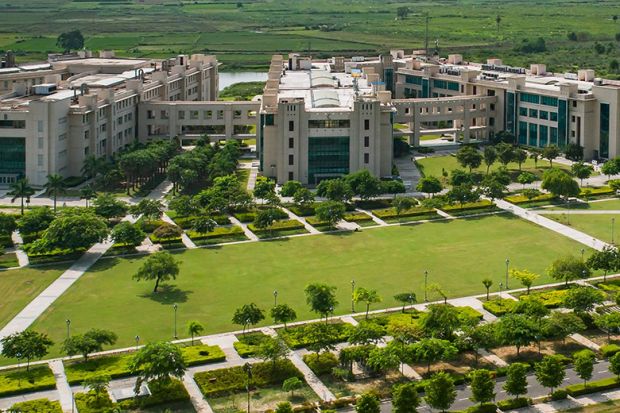 Mission and Objectives
The core mission of the Goethe University fellowship is to blend clinical reasoning with advanced biomedical research. Designed specifically for foreign physicians, the program promotes dialogue between evidence‑based medicine and bioscientific discovery. The fellowship serves three fundamental purposes:
1. Translational Research Development: Enable physicians to link bedside experience with laboratory or data‑driven innovation.
2. Global Knowledge Exchange: Strengthen international research ties and develop new scientific partnerships.
3. Training in Scientific Ethics and Regulatory Standards: Introduce fellows to EU‑compliant biomedical protocols and academic integrity frameworks.
Fellows are integrated into active investigation units rather than residency or training tracks. The main philosophy is “science guided by patient understanding, not patient contact.”
Program Administration
The fellowship is jointly coordinated by:
- International Office of the Medical Faculty (UKF) – responsible for applications, visa documents, and onboarding.
- Research Service Center (Frankfurt Forschung und Transfer) – oversees grant integration and institutional registration.
- Goethe Welcome Center for Visiting Scholars – assists with housing, insurance, city registration, and intercultural services.
Collaborating institutes hosting visiting physicians include the Cardiopulmonary Institute (CPI), the Institute for Molecular Biology (IMB), the Brain Imaging Center, and the Institute for Medical Law and Ethics. These units offer environments where medical reasoning meets experimental exploration.
Duration and Timelines
- Standard Tenure: 3 – 12 months.
- Extended Fellowship: up to 18 months (through DAAD or external grants).
- Short exchange modules (4–8 weeks) possible for initial network formation.
Application Deadlines:
- Summer semester: Deadline January 31, Start April 1.
- Winter semester: Deadline July 31, Start October 1.
Evaluation and admission normally take 8–10 weeks.
Eligibility Criteria
Candidates must meet the following requirements:
1. MD or equivalent medical degree, accredited by the home country authority.
2. Minimum three years clinical or academic experience after graduation.
3. Evidence of research aptitude (publications, workshops, or projects).
4. Formal invitation letter from a Goethe University professor or group leader.
5. English B2 and recommended German B1 proficiency.
6. Proof of funding (DAAD, own institution, or private support).
7. Valid health insurance for Germany.
The program favors senior residents or early career consultants motivated by interdisciplinary academic growth.
Required Documents
Applications are submitted via the Goethe University Mobility Online Portal, including:
- Motivation Letter (1–2 pages). Medical & Clinical Fellowship Programs in Germany
- Mini Research proposal (3–5 pages) with objectives and timeline.
- Curriculum Vitae and publication list.
- Two academic reference letters.
- Copy of medical degree and transcript translation.
- Host invitation from Goethe University faculty.
- Evidence of financial support and insurance.
- Language certificate (IELTS 6.5‑7 or Goethe B1).
After formal verification, the candidate receives an Official Invitation Letter for Research Visa (Type D)—essential for legal stay.
Funding Resources
No fixed internal stipend is provided, but physicians may secure one of these:
- DAAD Short-Term Research Grant (€1 ,400–€1 ,500/month + flights).
- Alexander von Humboldt Foundation Host Program (for senior physicians).
- CPI Travel Subsidy Program (~€800–€1 ,000/month partial support).
- University Guest Housing Discount (€300 subsidy).
Total monthly expenses average €1 ,400–€1 ,700 in Frankfurt. The university assists fellows with suit‑able insurance packages and housing.
Clinical Limitations
As per German law (§ Approbationsordnung), visiting physicians may not directly engage with patient care. The fellowship is therefore entirely research‑based. Permissible activities include:
- Observation of clinical discussions and rounds under mentor supervision.
- Participation in data‑handling projects and biostatistical analysis.
- Observation of innovative diagnostic frameworks (e.g., Imaging AI systems).
- Assistance in research protocol design and scientific writing.
No diagnostic or therapeutic actions are allowed.
Academic Domains and Facilities
Goethe University Frankfurt’s medical campus hosts globally recognized research centers:
- Cardiopulmonary Institute (CPI): a DFG Cluster of Excellence studying circulatory physiology and metabolism.
- Brain Imaging Center: integrating MRI, PET, and computational neurology for researchers.
- Institute for Molecular Biology (IMB): focus on gene‑expression and metabolic pathways in disease.
- Institute for Medical Ethics, History, and Humanities: training in bioethics, policy, and philosophy of medicine.
- Pharmacology and Toxicology Division: supporting drug‑safety and clinical trial data analysis.
These interdisciplinary hubs possess cutting‑edge laboratories and data clusters accessible under supervision.
Mentoring and Training
Visiting fellows are assigned a mentor—typically a tenured professor or group leader—responsible for:
- Guided research planning and monthly progress review.
- Seminar series: “European Academic Integrity in Medical Science.”
- Workshops on statistical design and scientific reporting.
- Optional course: “German Medical Language for Researchers.”
- Final presentation at the International Scholars Symposium held each semester.
Mentorship fosters both research discipline and intercultural awareness.
Certification and Career Impact
Upon completion, fellows obtain a Certificate of Academic Visiting Fellowship (Goethe University Frankfurt), noting dates, host department, and research focus. The certificate is officially recognized by DAAD and DFG networks, facilitating future Clinician‑Scientist or AvH applications. Alumni often co‑author publications in Frontiers in Physiology, European Heart Journal, or NeuroImage.
The fellowship also connects alumni to the Goethe International Medical Network (GIMN), ensuring sustained cooperation.
Logistical Support and Lifestyle Medical & Clinical Fellowship Programs in Germany
The Welcome Center Frankfurt helps incoming fellows register locally, obtain residence permits, and arrange health coverage. University‑owned apartments near Niederursel and Riedberg campuses cost about €600–€900/month. Long‑term fellows receive tuition‑free German language courses.
Frankfurt’s strategic position—with the largest airport in Germany—facilitates frequent exchanges with research institutions across Europe, and its multicultural landscape ensures seamless adaptation for foreign scholars.
Summary
- Program Type: Non‑clinical Academic Fellowship for Foreign Physicians.
- Duration: 3 – 18 months.
- Deadlines: Jan 31 / Jul 31.
- Eligibility: MD degree, ≥ 3 years experience, faculty invitation.
- Documents: CV, proposal, motivation, references, insurance, funding proof.
- Funding: DAAD, AvH, CPI subsidy.
- Clinical Work: Observation only.
- Certificate: Official Visiting Fellow Accreditation + integration in GIMN.
In essence, the Goethe University Frankfurt Visiting Fellowship for Physicians exemplifies Germany’s synthesis of rigorous scientific tradition and international engagement. It converts physicians’ experiential understanding of patient care into structured academic contribution—advancing biomedical innovation while upholding ethical precision, transparency, and scientific integrity.
- Technische Universität Dresden – Dresden
Visiting Fellowship for Physicians
The Technische Universität Dresden (TU Dresden), founded in 1828, stands among Germany’s outstanding technical and comprehensive universities, distinguished by its Excellence Cluster “Center for Regenerative Therapies Dresden (CRTD)”, the National Center for Tumor Diseases (DKTK Partner Site), and the University Hospital Carl Gustav Carus. The Visiting Fellowship for Physicians offers international medical practitioners a pathway to enter Germany’s leading biomedical research environment. Structured under non‑clinical academic exchange rules, this program permits physicians to contribute research insight—but not to engage in patient management—while receiving professional training through translational collaborations at TU Dresden’s multidisciplinary campus.
Mission and Philosophy
The TU Dresden visiting scheme aligns with the university’s vision: “Engineering meets Life Sciences.” Designed for qualified physicians abroad, its core purpose is to merge clinical reasoning with high‑precision technological and biomedical research—ranging from regenerative medicine to medical data engineering. The fellowship seeks to:
1. Bridge bedside knowledge and scientific method via project‑based collaborations.
2. Promote international biomedical partnerships through structured exchange.
3. Introduce physicians to Germany’s ethics, data‑protection, and research governance frameworks.
The program encourages scholarly independence, interdisciplinary dialogue, and methodological skill transfer rather than practical medicine.
Administrative Framework
The fellowship is coordinated jointly by the Faculty of Medicine Carl Gustav Carus and the Center for International Studies (CIS TU Dresden). The Medical Faculty Research Support Office handles scientific onboarding, visa documentation, and institutional hosting.
Principal academic hosts for fellows:
- Center for Regenerative Therapies Dresden (CRTD) – stem‑cell and gene‑therapy science.
- National Center for Tumor Diseases (DKTK) Partner Site.
- Institute for Medical Informatics and Statistics.
- Dresden Neuroimaging Center (DNIC).
- Biotechnological Center (Biotec).
Collectively, these units form TU Dresden’s translational hub linking medicine, computational biology, and engineering.
Duration and Timelines
Typical duration: 3 – 12 months. Funded extensions, up to 18 months, may be approved for collaborative grant participation.
Application rounds occur twice yearly:
- Summer semester: Deadline January 31 (start April).
- Winter semester: Deadline July 31 (start October).
Review and acceptance take around 8 weeks, after which fellows receive official Gastwissenschaftler registration enabling residence permit application.
Eligibility Requirements
Applicants should satisfy the following academic qualifications:
1. Valid MD or equivalent recognized by their home country.
2. Minimum two–three years professional experience (clinical or academic).
3. Demonstrated research engagement (publications, conference papers, or thesis).
4. Documented invitation from TU Dresden faculty PI or department head.
5. English B2 and ideally German B1 proficiency.
6. Proven financial capacity or external stipend.
The university prefers applicants from teaching hospitals or research institutions prepared to contribute to ongoing scientific projects.
Application Documents
To apply via the TU Dresden International Scholar Portal, candidates upload:
- Motivation letter outlining research connection (2 pages).
- Research proposal (4–5 pages) with timeline and expected outputs.
- Curriculum vitae + list of publications.
- Two academic recommendations.
- Copy of medical degree and transcripts.
- Official invitation letter from host.
- Proof of funding or grant support.
- Language certificate (IELTS 6.5 / Goethe B1).
- Health insurance confirmation.
A research ethics compliance document must accompany the proposal, consistent with Dresden’s data policy.
Funding and Financial Framework
Although TU Dresden offers no centralized stipend, visiting fellows can obtain financial aid through:
- DAAD Research Fellowship (€1,400–€1,500/month + travel).
- Humboldt Foundation Short‑Term Stay.
- CRTD Guest Scholar Fund (~€1,000/month partial support).
- Departmental project grants through DFG or EU Horizon Europe subprojects.
Typical living expense range in Dresden: €1,200–€1,600/month. The Guest Housing Service manages campus flats (average €550–€850/month).
Clinical Conduct Boundaries Medical & Clinical Fellowship Programs in Germany
Under German medical licensing regulations, international physicians lacking Approbation are barred from patient contact or clinical duties. Consequently, the TU Dresden fellowship is research‑only, limited to:
- Observation of clinical case meetings and procedure demonstrations.
- Analysis of anonymized dataset from DKTK or CRTD.
- Participation in biotechnological and bioinformatics projects.
- Development of literature reviews, research protocols, and international study proposals.
This boundary ensures ethical compliance and safeguards institutional standards.
Research Domains and Facilities
TU Dresden hosts an impressive biomedical framework aligning engineering with life sciences:
1. Regenerative and Stem Cell Medicine:
The CRTD leads projects on stem‑cell therapy and cellular reprogramming for neurodegenerative and hematological diseases. Visiting physicians often assist data analysis or translational strategy design.
2. Oncology and Molecular Diagnostics:
Through its DKTK Partner Site, fellows contribute to tumour profiling, bioinformatics, and drug‑response modeling.
3. Neuroimaging and Cognitive Sciences:
The Dresden Neuroimaging Center integrates clinicians and engineers in MRI‑based brain research, AI analysis, and neuro‑rehabilitation models.
4. Medical Data Science and AI:
TU Dresden’s Digital Health Hub Saxony provides technical collaboration for data analytics and decision‑support systems in medicine.
5. Biomedical Engineering:
Laboratories under Biotec focus on microfluidics and biosensors for diagnostics research.
Each host unit guarantees fellows full research access (subject to NDAs and GDPR compliance).
Mentorship and Training Structure
Every fellow receives a personal host supervisor and scientific mentor. Mentoring includes:
- Orientation workshops on German research law and ethics.
- Monthly supervision meetings and progress evaluation.
- Optional seminar series “Engineering Tools for Clinical Scientists.”
- Practical modules on biostatistics and data management.
- Participation in the International Researcher Colloquium held each semester.
Mentorship aims at capacity building and long‑term collaboration.
Certification and Academic Recognition
Upon completion, participants receive a Certificate of Visiting Fellowship in Medical Sciences, issued jointly by the Faculty of Medicine and the CRTD. The certificate enumerates researcher identity, host department, and research theme. Recognition is automatic under DAAD and DFG frameworks—allowing future extension through postdoctoral or Humboldt scholarships.
Completion also grants eligibility for membership in the Dresden Medical Research Network (DMRN), fostering sustained post‑program cooperation via digital platform and annual symposia.
Campus and Cultural Support
The Welcome Center TU Dresden provides comprehensive assistance: visa formalities, residence registration, accommodation, insurance, banking, and language training. Fellows staying > 6 months may attend free German courses and intercultural workshops. Dresden’s setting—historic baroque city on the River Elbe—offers an inspiring fusion of cultural heritage and progressive science, with modern transport connectivity and affordable living costs. Frequent arts and scientific networking events extend professional life beyond the laboratory.
Summary
- Program Type: Non‑clinical academic research fellowship for foreign physicians.
- Duration: 3–18 months.
- Deadlines: Jan 31 / Jul 31.
- Eligibility: MD degree + ≥ 2 years experience + faculty invitation.
- Documents: CV, proposal, motivation, references, language proof, funding, insurance.
- Funding: DAAD, Humboldt, CRTD Fund. Medical & Clinical Fellowship Programs in Germany
- Clinical Work: Observation only.
- Output: Research Certificate + Membership (DMRN).
The Technische Universität Dresden Visiting Fellowship for Physicians provides international doctors with a gateway into Germany’s frontier biomedical research culture—where medicine converges with technology, ethics, and innovation. Through structured mentorship and non‑clinical investigation, it cultivates global scientific dialogue, research competency, and lasting partnerships at Europe’s crossroads of engineering and life science.
- Universität Leipzig – Leipzig
Visiting Fellowship for Physicians
Founded in 1409, the Universität Leipzig is one of Germany’s oldest and most research‑driven universities, notable for its pioneering programs in Molecular Medicine, Clinical Epidemiology, and Cognitive Neuroscience. Its Faculty of Medicine operates the renowned University Hospital Leipzig (UHL), part of Germany’s Academic Health Centers Network. The Visiting Fellowship for Physicians provides foreign medical doctors the opportunity to join Leipzig’s clinical research ecosystem within a strictly non‑clinical academic framework, emphasizing translational and biomedical investigation rather than direct patient care.
Mission and Vision
Leipzig’s university philosophy is to integrate “Humanity, Science, and Innovation.” The Visiting Fellowship is crafted to translate clinical experience into research value, encouraging physicians to collaborate across neuroscience, metabolic disease, and public health. Its key objectives are:
. Transform clinical knowledge into research impact: Fellows participate in data‑driven and molecular studies.
2. Reinforce global scientific partnerships: Enhance mutual academic exchange through short‑term and joint projects.
3. Strengthen ethical research integration: Acquaint participants with German standards in scientific ethics and patient data protection.
By championing collaboration across medicine, biology, and cognitive sciences, Leipzig positions visiting physicians as intellectual contributors—not clinicians—in its academic framework.
Administrative Management
The fellowship is coordinated through the Faculty of Medicine’s International Relations Office (IMO) and facilitated by the Research Service Center (Forschungsservice Leipzig). Applications are processed within the university’s digital portal (Research Stay Application System), ensuring transparent and timely assessment.
Key research hosts for fellows include:
- Leipzig Research Center for Civilization Diseases (LIFE).
- Center for Cognitive Neuroscience (LCN).
- Institute for Medical Physiology and Biochemistry.
- Institute for Medical Socioeconomics and Public Health.
- Leipzig Center for Biomedical Data Science.
These units provide laboratory and computational space for guest scientists from medical backgrounds.
Duration and Scheduling
Standard stay: 3 – 12 months, extendable to 18 months for projects supported by external grants.
Application deadlines:
- Summer semester: January 31 (for April start).
- Winter semester: July 31 (for October start).
Formal review and approval take 6–9 weeks; accepted fellows receive official admission letters for visa procedures.
ligibility Requirements
The Visiting Fellowship for Physicians at Leipzig University requires:
1. Recognized MD or equivalent degree in medicine.
2. Minimum 3 years post‑graduate experience in clinical or research settings.
3. Proven academic interest or scientific output (publications, conference papers, or ongoing projects).
4. Formal invitation from Leipzig faculty member or research group.
5. English language B2 level minimum, German B1 preferred.
6. Evidence of financial coverage or external funding support.
Outstanding academic merit and ethical clarity are prioritized in selection.
Required Documents
All applications go through Leipzig’s digital portal and must include:
- Motivation Letter (approximately 2 pages).
- Brief Project Outline or Research Proposal (3–5 pages).
- Curriculum Vitae and publications.
- Two recommendation letters from academic mentors.
- Copy of MD diploma and transcripts.
- Host invitation letter and department nomination.
- Proof of funding or grant allowance.
- Language certificate (IELTS ≥ 6.5 or Goethe B1/B2).
- Health insurance for Germany.
Medical & Clinical Fellowship Programs in Germany
Applicants are formally registered as Gastwissenschaftler (Visiting Researchers) within the medical faculty.
Funding and Financial Support
While Leipzig University does not offer a dedicated stipend, it facilitates access to external scholarships:
- DAAD Research Fellowships (€1,400–€1,500 per month + travel costs).
- Humboldt Foundation Visiting Scholar Program.
- LIFE Guest Investigator Fund – short‑stay support (~€1,000 for up to 6 months).
- Faculty‑provided bench fee waivers for researchers.
Average monthly living costs range €1,300–€1,600 in Leipzig, known for its affordable housing and scientific friendly ecosystem.
Clinical Boundary and Ethical Policy
German law prohibits non‑licensed physicians from patient care; hence Leipzig’s program is entirely non‑clinical and observational. Permitted academic activities include:
- Participation in case study discussions and multidisciplinary board meetings.
- Analysis of anonymous biobank and epidemiologic data via LIFE database.
- Design of survey‑based and strategic public health projects.
- Collaborative work in neuroscience and metabolic modelling.
The UHL ensures full ethical compliance through its Research Ethics Committee oversight.
Research Areas and Laboratory Integration
Main scientific domains for visiting physicians include:
1. Metabolic and Lifestyle Diseases (LIFE Research Center):
Leipzig is famous for the LIFE epidemiological cohort, a million‑patient biobank studying obesity, diabetes, and cardiovascular risk. Fellows join data analysis and predictive diagnosis projects.
2. Cognitive Neuroscience and Psychiatry:
Through the LCN and Max Planck Institute collaborations, research focuses on decision making, brain imaging, and neurodegeneration.
3. Molecular Biomedicine:
The Biochemistry and Physiology department hosts work on signal transduction, metabolic pathways, and cell repair mechanisms.
4. Public Health and Medical Socioeconomics:
Fellows in this domain study policy design, economic models, and population health interventions linking clinical data with social outcomes.
All laboratories adhere to EU GDPR and research ethics standards; data handling training is mandatory for new fellows.
Mentorship and Academic Development
Each fellow is assigned a faculty mentor who guides research direction and career planning.
Mentorship includes:
- Monthly scientific supervision meetings.
- Participation in the “International Medical Researcher Forum.”
- Training sessions on statistical methodology and research ethics.
- Presentation at the semesterly LIFE Symposium to showcase findings.
- Assistance with publication and grant writing for international journals.
This mentoring system builds skills in biomedical communication, data interpretation, and ethical policy.
Certification and Academic Recognition
After successful completion, fellows obtain a Certificate of Academic Visiting Research (Universität Leipzig), signed by the Faculty Dean and Research Coordinator. It specifies duration, research theme, and mentor’s evaluation.
The certificate is recognized by DAAD and DFG networks for subsequent research funding applications. Graduates may join the Leipzig International Medical Network (LIMN) for continuing collaboration.
Campus Support and Culture
The Welcome Center Leipzig assists with visa formalities, housing, insurance, and city registration. Guest apartments on Lindenau and Zentralcampus cost €500–€800/month. German language courses and cultural orientation sessions are available every term.
Leipzig offers a blend of historic culture and young innovation—its music heritage and rapidly growing tech sector create a vibrant ecosystem for scientists and clinicians
Summary
- Program Type: Non‑clinical research fellowship for foreign physicians.
- Duration: 3–18 months.
- Deadlines: Jan 31 / Jul 31. Medical & Clinical Fellowship Programs in Germany
- Eligibility: MD degree + ≥ 3 years experience + faculty invitation.
- Documents: CV, proposal, motivation, recommendations, funding confirmation, language proof, insurance.
- Funding: DAAD, Humboldt, LIFE Fund.
- Clinical Work: Observation only.
- Output: Certificate of Academic Research + Membership in LIMN.
15.Friedrich‑Alexander‑Universität Erlangen‑Nürnberg (FAU) – Erlangen/Nürnberg
Visiting Fellowship for Physicians
Founded in 1743, the Friedrich‑Alexander‑Universität Erlangen‑Nürnberg (FAU) ranks among Germany’s strongest research institutions, especially in Medical Imaging, Immunology, and Biomedical Engineering. Home to the University Hospital Erlangen, the Max Planck Institute for the Science of Light, and the Erlangen Center for Medical Photonics, FAU integrates medicine with cutting‑edge technology, offering international physicians a robust platform through its Visiting Fellowship for Physicians. The program emphasizes non‑clinical translational research, biomedicine, and innovative digital health solutions under the framework of academic ethics and cross‑border scientific collaboration.
Mission and Objective
FAU’s motto, “Knowledge in Motion,” defines the philosophy of the Visiting Fellowship. Its focus is on transferring bedside insight into interdisciplinary biomedical innovation. The program’s mission is threefold:
1. Enable international physicians to collaborate within FAU’s medical‑technology research ecosystem.
2. Support cross‑disciplinary training linking clinical medicine, computational science, and engineering.
3. Foster responsible research practice in accordance with German scientific governance and data ethics.
Rather than clinical duties, fellows contribute to FAU’s translational projects, applying medical reasoning, data analysis, and comparative methodologies to biomedical innovation.
Administrative Coordination
The fellowship is administered by the FAU Faculty of Medicine and Health Sciences, supported by the Research Services Division and Welcome Centre Erlangen‑Nürnberg. Applications are evaluated jointly by the department head and FAU’s International Research Funding Board.
Key research hosts:
- Erlangen University Hospital (UKER): major clinical research complex for oncology and surgery.
- Nikolaus‑Fiebiger Center for Molecular Medicine (NFZ).
- Erlangen Center for Immunotherapy (ECI).
- Department of Medical Physics in Radiology.
- Institute for Medical Robotics and AI Integration (FAU MedTech).
- Max Planck Institute for the Science of Light (MPIL) Collaborative Programs.
The program coordinator acts as administrative liaison between the guest physician and FAU’s hosting faculty.
Duration and Application Timelines
Fellowships run for: 3 – 12 months, extendable to 18 months for cooperative projects or DAAD‑funded extensions.
Application cycles:
- Summer: Deadline January 31 (start April).
- Winter: Deadline July 31 (start October).
Review and acceptance periods average 8–10 weeks. Successful applicants receive official Gastwissenschaftler letters and visa documentation via the FAU portal.
Eligibility Requirements
Applicants must meet these criteria:
1. Completed MD degree or equivalent qualification.
2. Minimum 2–5 years of professional clinical or research experience.
3. Scientific output (e.g., publications, abstracts, presentations).
4. Confirmed invitation from FAU faculty supervisor or research lab.
5. Proof of English proficiency (B2 level minimum) and preferably German B1.
6. Evidence of financial resources or secured funding scholarship.
Participant selection prioritizes interdisciplinary fit, scientific integrity, and well‑defined research objectives.
Required Documents
Complete applications must include:
- Detailed motivation letter (≤ 2 pages).
- Research proposal (4–6 pages) with timeline and methodology.
- Curriculum vitae with full publication list.
- Two academic references or recommendation letters.
- Copy of medical degree and transcripts.
- Host faculty invitation.
- Proof of funding or stipend confirmation.
- Language proficiency certificate (English/German).
- Health insurance and visa documents for Germany.
FAU verifies compliance through its Research Integrity Office prior to issuance of acceptance.
Funding and Financial Framework
FAU does not offer direct fellowship stipends but facilitates entry to external funding options:
- DAAD Short‑Term Research Grant.
- Alexander von Humboldt Foundation Visit Grant.
- NFZ Molecular Medicine Support Fund (partial €1,000/month).
- FAU Interdisciplinary Research Cluster Seed Funds (lab support).
Average monthly living costs in Erlangen/Nürnberg range from €1,200–€1,700. The Welcome Centre offers discounted and furnished apartments for fellows starting at €550/month.
Clinical Boundaries
Under German law (ÄAppO and Heilberufsgesetz), foreign physicians without local licensure (Approbation) cannot perform medical procedures or patient care. Thus, FAU’s Visiting Fellowship is purely non‑clinical and academic, limited to:
- Observation of teaching and procedure demonstrations at UKER.
- Project‑based research within immunology, oncology, and medical imaging.
- Computational and analytical review of clinical data (anonymous).
- Collaboration in biomedical engineering, AI, and data science development.
The separation of clinical practice from research ensures legal and ethical integrity.
Research Domains and Facilities
1. Immunology and Auto‑Inflammatory Diseases:
FAU’s ECI and NFZ anchor Germany’s frontier research on cytokine signaling and cellular immune response models. Fellows may join projects that integrate basic science and bioinformatics.
2. Medical Imaging and Photonic Therapy:
FAU’s collaboration with MPIL explores light‑based diagnostics, fluorescent biomarkers, and laser bioengineering. Visiting physicians with radiology or oncology backgrounds gain a unique cross‑disciplinary research setting.
3. Biomedical AI and Digital Health:
At FAU MedTech, fellows work on algorithms supporting diagnosis, robot‑assisted surgery planning, and medical data integration.
4. Molecular Medicine and Cellular Genetics: Medical & Clinical Fellowship Programs in Germany
The NFZ facilitates bench research on molecular pathophysiology, especially autoimmune and metabolic diseases.
5. Public Health and Medical Economy:
FAU’s School of Business and Economics co‑supervises projects connecting clinical outcomes with health policy analytics.
All participating labs maintain GDPR‑compliant data management and ISO‑certified safety standards.
Mentorship and Research Training
Each visiting physician is paired with a faculty mentor responsible for academic integration and progress evaluation. Mentorship framework includes:
- Initial orientation on German research law and ethics.
- Monthly scientific review sessions.
- Workshops on biostatistics, digital medicine, and writing for publication.
- Seminar presentation within the FAU Translational Medicine Forum.
- Collaboration with graduate students and postdocs on multi‑center projects.
The training model develops cross‑disciplinary communication skills, scientific integrity, and output quality.
Certification and Recognition
Upon program completion, participants receive a Certificate of Visiting Research in Medical Sciences (FAU Erlangen‑Nürnberg), detailing duration, research theme, mentor signature, and scientific achievements.
Recognized under DAAD and Humboldt frameworks, the certificate supports further career development in collaborative projects or postdoctoral visits. Graduates automatically become eligible for membership in the FAU International Medical Scholars Network (IMSN), receiving access to annual symposia and digital resources.
Campus and Cultural Provision
The Welcome Centre FAU Erlangen‑Nürnberg offers pre‑arrival support, visa guidance, and housing placement. Fellows can attend free German language courses and intercultural training at FAU’s Language Centre. Erlangen is a green, academic city close to Nürnberg yet calm and internationally oriented. Museums, research parks, and health technology companies ensure ample cultural and professional exchange.
In addition, FAU’s Community Integration Program organizes networking with multinational teams from Siemens Healthineers and Fraunhofer Medical Research Hub.
Summary
- Program Type: Non‑clinical research fellowship for foreign physicians.
- Duration: 3–18 months.
- Deadlines: Jan 31 / Jul 31.
- Eligibility: MD + 2–5 years experience + faculty invitation.
Documents: CV, proposal, motivation, recommendations, funding proof, insurance, language certificate.
- Funding: DAAD, Humboldt, NFZ Fund.
- Clinical Work: Observation only; no patient care.
- Outcome: Certificate of Visiting Research + IMSN membership.
In essence, the Friedrich‑Alexander‑Universität Erlangen‑Nürnberg Visiting Fellowship for Physicians serves as a portal into Germany’s excellence cluster where medicine, engineering, and data science intertwine. It empowers international doctors to engage in ethical, innovative, and impactful research—contributing to global advances in medical technology, immunology, and digital health within FAU’s cutting‑edge academic environment.
- Universität Regensburg – Regensburg
Visiting Fellowship for Physicians
Founded in 1962, the Universität Regensburg is a modern German research institution known for its excellence in molecular biomedicine, immunopathology, neurobiology, and clinical informatics. Located along the historic Danube River, Regensburg combines ancient academic tradition with cutting‑edge science through its University Hospital Regensburg (UniKlinikum Regensburg)—one of Bavaria’s most research‑oriented clinical complexes. The university’s Visiting Fellowship for Physicians targets international medical doctors seeking non‑clinical academic immersion, bridging medical practice with laboratory and data‑driven research under German scientific standards.
Mission and Program Aim
The Regensburg Medical Faculty focuses on research‑based clinical knowledge translation, encouraging visiting physicians to join projects in regenerative biology, oncology, neuroscience, and health data analytics. The primary objectives of the fellowship are:
1. To foster global translational research through observation and scientific collaboration.
2. To train physicians in German biomedical research frameworks and ethics.
3. To empower participants to integrate patient experience into scientific discovery, without direct patient contact.
4. To build international partnerships with emerging medical innovators.
This structured program emphasizes academic depth, scientific integrity, and interdisciplinary exchange.
Administrative Coordination
The fellowship is administered by the Faculty of Medicine’s Research and International Affairs Office in cooperation with the Regensburg International Center (RIC). Accepted fellows are officially registered as Gastwissenschaftler (Visiting Researchers).
Main hosting institutes and research centers include:
- Institute for Molecular Medicine and Cell Research (IMZ).
- Center for Interventional Immunology (ZIIM). Medical & Clinical Fellowship Programs in Germany
- Institute for Neuroregeneration and Cognitive Research.
- Regensburg Center for Medical Data Science (RCMDS).
- Institute for Clinical Microbiology and Infectious Diseases.
These entities ensure an integrative framework linking wet‑lab discovery with translational and computational medicine.
Duration and Scheduling
The Visiting Fellowship is offered for 3 – 12 months, with optional extension to 18 months based on project continuity and funding availability.
Application deadlines:
- Summer semester: January 31 (for April start).
- Winter semester: July 31 (for October start).
Processing time is typically 6–9 weeks, and accepted fellows receive official admission letters for visa procedures and health insurance registration.
Eligibility Profile
Applicants must qualify under the following criteria:
1. Completed MD or equivalent degree, recognized by their home institution.
2. At least two years of clinical or academic professional experience.
3. Solid research interest in biomedical topics (evidenced by publications or university projects).
4. Inviting supervisor or research host from Regensburg faculty.
5. Proficiency in English (B2 minimum) and preferably German (B1).
6. Proof of financial capacity or funding commitment.
Applicants with a background in molecular biology, oncology, neuroscience, or data‑driven medicine receive priority in selection.
Required Documentation
Complete application includes:
- Motivation letter (≈ 2 pages).
- Brief research plan (3–5 pages).
- Curriculum vitae + list of academic publications.
- Two recommendation letters from research supervisors.
- Copy of medical degree and transcripts.
- Letter of invitation from host department.
- Proof of funding (e.g., grant letter or salary certificate).
- Language certificate (English/German).
- Health insurance confirmation.
All documents must comply with Regensburg’s research ethics and GDPR guidelines.
Funding and Financial Support
University Regensburg does not pay stipends directly, but offers guidance for external funding sources:
- DAAD Research Fellowship (€1,400–€1,500 per month + allowances).
- Humboldt Short‑Term Scholarship.
- ZIIM Guest Scholar Program (€900–€1,200 monthly partial support for ≤ 6 months).
- Collaborative funds under DFG and EU Horizon Europe projects.
Average living expenses in Regensburg range €1,200–€1,600/month; guest housing on campus costs €500–€850.
Clinical Boundaries and Legal Policy
By German law, foreign physicians without an approved medical license (Approbation) may not perform clinical duties or prescribe medical interventions. Thus, the program is entirely non‑clinical, restricted to:
- Observation of hospital protocols and interdisciplinary discussion sessions.
- Participation in research data evaluation and biobank analysis.
- Design and analysis of molecular or computational projects.
- Training in scientific methodologies and bioethical protocols.
Fellows operate under supervision and must follow Regensburg’s Institutional Review Board (“Ethikkommission”) regulations.
Research Domains and Key Facilities
The University of Regensburg stands out for its fusion of biology, chemistry, and data science within medical research. Major themes include:
1. Molecular and Cellular Medicine
Work on immune cell signaling, autoimmunity, and pro‑inflammatory biomarkers at ZIIM and IMZ.
2. Neuroscience and Neuroregeneration
Research on neural plasticity, neuroinflammation, and cell‑repair mechanisms with AI integration in diagnostic neurology.
3. Cancer Genomics and Biostatistics
Projects in bioinformatics and tumor genome profiling at IMZ and University Hospital’s Oncology Institute.
4. Infectious Diseases and Immunotherapy
Fellows may join trials of molecular interaction studies under the Infectious Diseases Department.
5. Medical Data Science and AI
At RCMDS, physicians collaborate on predictive modelling for clinical decision support and public health data optimization.
Mentorship and Training Design Medical & Clinical Fellowship Programs in Germany
Each fellow is paired with two mentors: a research supervisor and an academic coach. Training includes:
- Onboarding seminar on German scientific law and ethics.
- Monthly progress reviews and scientific feedback.
- Participation in the “Regensburg Medical Science Lectures.”
- Optional coursework in biostatistics and scientific writing.
- Networking sessions with the Regensburg Graduate School of Life Sciences (RGLS).
This dual mentorship structure ensures academic integration, continued guidance, and career development.
Certification and Outcomes
After completion, fellows receive a Certificate of Visiting Research in Medical Sciences, jointly issued by the Faculty of Medicine and RIC. It documents duration, research content, and mentor evaluation.
Graduates obtain automatic membership in the Regensburg International Biomedical Network (RIBN), which serves as an ongoing platform for collaboration, grant development, and publication exchange.
Certification is recognized for postdoctoral entry into DAAD and DFG programs nationwide.
Campus and Cultural Support
The Welcome Center Regensburg provides visa and housing support, bank account appointment assistance, and social orientation. Guest housing is available near the Danube Campus and med‑school complex. German courses and intercultural training sessions run each semester for free.
Regensburg’s cityscape is a UNESCO World Heritage Site—its historic architecture blends with modern research life, providing an inspiring environment for global academics.
Summary
- Program Type: Non‑clinical research fellowship for foreign physicians.
- Duration: 3–18 months.
- Deadlines: Jan 31 / Jul 31.
- Eligibility: MD + 2–3 years experience + faculty invitation.
- Documents: CV, proposal, motivation, recommendations, funding proof, language certificates, insurance.
- Funding: DAAD, Humboldt, ZIIM Fund.
- Clinical Scope: Observation only.
- Outcome: Certificate of Visiting Research + RIBN membership.
The Universität Regensburg Visiting Fellowship for Physicians provides a doorway into Germany’s progressive research scene—uniting medical practice, molecular science, and data innovation within a framework of ethical integrity and scientific rigor. Through mentored non‑clinical participation, the program advances global medical cooperation while cultivating the next generation of translational scientists.
- University of Cologne – Cologne
Visiting Fellowship for Physicians
The University of Cologne (Universität zu Köln)—founded in 1388 as one of Europe’s oldest universities—is renowned for its distinguished Faculty of Medicine and its strong integration with the University Hospital Cologne (UniKlinik Köln) and the Cologne Cluster of Excellence in Ageing Research (CECAD). The university stands at the frontier of molecular medicine, neurodegeneration, oncology, and clinical data science, offering international medical professionals a structured, non‑clinical immersion through the Visiting Fellowship for Physicians program. This initiative connects foreign physicians with German biomedical research networks while respecting national medical licensure boundaries.
Program Mission and Vision
The fellowship’s mission is to stimulate translational research collaboration between global clinicians and German biomedical scientists. Its philosophy emphasizes the synergy between bedside insight and laboratory discovery—without clinical intervention—to advance disease understanding and innovative therapies. Objectives include:
1. Empowering physicians to gain exposure to leading German medical research methodologies.
2. Integrating international medical practice perspectives into local scientific networks.
3. Cultivating long‑term scientific exchange through multidisciplinary non‑clinical participation.
4. Promoting ethical and sustainable approaches to healthcare innovation at the molecular and data levels.
The University of Cologne positions its fellows within Europe’s top translational research ecosystem, linking molecular science to clinical relevance through observation and scientific collaboration.
Administration and Hosting Structure
The fellowship program is managed jointly by the Medical Faculty Research Office (MedFak Forschung und Internationales) and the Cologne Center for International Relations (ZIB Uni Köln). Successful candidates are enrolled as Gastwissenschaftler (Visiting Researchers) and formally hosted within a chosen department or institute.
Major hosting centers include:
- CECAD – Cluster of Excellence in Cellular Stress Responses in Ageing‑Associated Diseases.
- Center for Integrated Oncology (CIO Cologne Bonn).
- Institute for Neurophysiology and Cognitive Research.
- Center for Molecular Medicine Cologne (CMMC).
- Institute for Medical Microbiology, Immunology and Hygiene.
- Cologne Center for Health Economics and Digital Medicine.
Medical & Clinical Fellowship Programs in Germany
Through these networks, fellows participate in collaborative non‑clinical projects alongside postdoctoral researchers and data scientists.
Duration and Application Calendar
Visiting fellowships typically span 3–12 months, extendable up to 18 months upon mutual agreement and continued funding.
Application cycle:
- April start (Summer semester): Deadline January 31.
- October start (Winter semester): Deadline July 31.
Admission decisions are issued 6–8 weeks after submission. Upon acceptance, fellows receive an official research admission letter required for residence permit and insurance enrollment.
Eligibility Criteria
To qualify, candidates must satisfy:
1. Holding a medical degree (MD or equivalent) from a recognized institution.
2. At least three years of clinical experience or academic medical practice.
3. Documented research experience or publications in biomedical fields.
4. Inviting supervisor or host department within the Medical Faculty of Cologne.
5. Proficiency in English (B2) and preferably basic German (B1) for orientation seminars.
6. Proof of adequate funding via scholarship or institutional support.
Selection prioritizes candidates whose projects complement ongoing CECAD and CMMC initiatives.
Required Documents
Applicants must submit electronically through the faculty’s international portal:
- Motivation letter explaining academic goals (≤ 2 pages).
- Detailed research proposal (≤ 6 pages).
- Updated CV with publications.
- Two recommendation letters.
- Medical degree certificate and academic transcripts.
- Invitation letter from Cologne host professor.
- Proof of external funding or scholarship commitment.
- Language proficiency proof.
- Health insurance documentation.
All materials must comply with University of Cologne’s data protection and ethics requirements.
Funding and Financial Structure
While the fellowship is unpaid by the university, fellows may source support through:
- DAAD Research Grants (€1,400–€1,500/month + insurance + travel stipends).
- Humboldt Foundation Short‑Term Grant.
- CMMC Guest Science Fund (€900–€1,200 monthly top‑up).
- Participation in funded DFG/CECAD projects when available.
Estimated living costs in Cologne are €1,400–€1,800 per month; the International Office assists with on‑campus guest housing (~€650/month) or private rooms (~€750–€950/month).
Clinical Limitations and Legal Framework
Foreign physicians cannot undertake clinical activities or patient care inside Germany without formal medical licensure (Approbation). The Cologne Visiting Fellowship is strictly non‑clinical, with scope limited to:
- Observation of medical research and case board meetings.
- Collaboration in molecular, computational, and data‑oriented projects.
- Laboratory participation in non‑interventional research.
- Contribution to academic writing, analysis, and conference presentations.
Ethical approval is required for any data use involving clinical datasets.
Research Focus and Infrastructure
University of Cologne’s medical research is interwoven with its five major clusters of excellence:
1. Ageing and Molecular Mechanisms – CECAD leads Europe’s most advanced studies on cellular senescence, mitochondrial stress responses, and longevity pathways.
2. Translational Oncology – The Center for Integrated Oncology (CIO) links tumor biology with genomic profiling and immuno‑therapy design.
3. Neuroscience and Cognitive Health – Research on neurodegeneration, memory mechanisms, and synaptic regeneration at the Cologne NeuroLab and Institute of Cognitive Science.
4. Microbial Pathogenesis and Immunology – Work on viral and bacterial signal pathways within the Medical Microbiology Institute.
5. Digital Medicine and Health Economics – AI‑driven projects using clinical registries and data pipelines at the Cologne Center for Health Economics and Data Science.
These centers offer full laboratory integration and seminar participation for fellows under active research mentorship.
Mentorship and Academic Training
Every fellow is assigned a primary scientific supervisor and a faculty mentor for career support. Training components include:
- Induction session on German research ethics and IP policy.
- Monthly progress reviews with departmental PI.
- Access to the Cologne Advanced Postdoc Program (CAPP) seminars.
- Workshops in research statistics, data visualization, and scientific writing.
- Networking events through CECAD and CMMC doctoral schools.
Fellows may attend open lectures at the Graduate School of Biological Sciences for free.
Certification and Career Outcome
After completion, fellows receive the Certificate of Visiting Research Fellowship in Medical Sciences, issued by the Faculty of Medicine and the Cologne Center for International Relations. The certificate confirms research topic, duration, and mentor endorsement.
Graduates gain membership in the Cologne Translational Medicine Network (CTMN) and retain access to scientific resources for future joint applications under DFG or EU programs.
The certificate recognition is high, facilitating subsequent postdoctoral positions and DFG junior project entries.
Campus Support and Living Environment
The Welcome Center Cologne assists with visa and registration, bank setup, insurance, and local housing. It also offers cultural orientation tours and free German language courses each semester.
Cologne—a vibrant metropolis on the Rhine—balances historic charm and modern biomedical industry. The city’s location within Germany’s “BioRegional Triangle” (Rhine‑Ruhr) supports industry‑academic partnerships critical for medical innovation.
Summary
- Program Type: Non‑clinical research fellowship for foreign physicians.
- Duration: 3–18 months.
- Deadlines: Jan 31 / Jul 31 (semester cycle).
- Eligibility: MD + ≥ 3 years clinical or academic experience + faculty invitation.
- Required Docs: CV, proposal, recommendations, funding proof, language certificates, insurance.
- Funding: DAAD, Humboldt, CMMC Fund, DFG projects.
- Clinical Scope: Observation and research only.
- Certification: Visiting Research Certificate + CTMN membership.
The University of Cologne Visiting Fellowship for Physicians epitomizes Germany’s modern approach to international medical exchange—uniting clinical insight and laboratory excellence in a structured, non‑clinical framework. Through mentored research and scientific dialogue, foreign physicians enhance their methodological expertise and global collaboration skills within one of Europe’s oldest and most forward‑looking medical communities.
- University of Freiburg – Freiburg im Breisgau
Visiting Fellowship for Physicians
The Albert‑Ludwigs‑Universität Freiburg, established in 1457, is one of Germany’s premier research universities and a flagship institution for medical innovation. Its Faculty of Medicine, integrated with the renowned University Medical Center Freiburg (UniKlinikum Freiburg), drives world‑class research across neurobiology, clinical immunology, molecular regeneration, and biomedical engineering. Through its Visiting Fellowship for Physicians, Freiburg welcomes international medical professionals seeking academic immersion in non‑clinical, research‑driven environments at the intersection of life sciences and medical data.
Program Purpose and Vision
The fellowship aligns with the Freiburg Research and Innovation Alliance for Medicine (FRIAS and CCI), linking clinical insight with scientific inquiry in a regulated, non‑patient‑care context. It aims to:
1. Expose visiting physicians to advanced methods of biomedical research and German medical ethics.
2. Encourage collaborative projects in molecular and translational science.
3. Build bridges between clinicians and basic scientists through joint publication and seminar exchange.
4. Train participants in data analysis, scientific writing, and multi‑disciplinary discussion.
A core principle of the Freiburg Medical Faculty is educating physicians to translate observation into scientific discovery—without direct clinical intervention.
Program Coordination and Administration
Oversight lies with the Freiburg Medical Faculty Office for Research Affairs and International Collaboration, in partnership with the Freiburg Institute for Advanced Studies (FRIAS) and the Freiburg Center for Computational Interaction (CCI). Each accepted physician is registered as a Gastwissenschaftler (Visiting Researcher) at the university.
Key hosting units and laboratories include:
- Immunology and Cell Biology Department.
- Neuroregeneration and Brain Plasticity Institute.
- Center for Chronic Immunodeficiency (ZI).
- Freiburg Biomaterials and Tissue Regeneration Center (TBC).
- Freiburg AI‑Health Computing Center.
- Max Planck Institute for Immunobiology and Epigenetics (cooperative partner).
This network provides visiting physicians broad exposure to academic biomedicine and data‑based clinical analysis.
Duration and Application Cycle
Typical duration: 3–12 months, extendable to 18 months depending on research progress and funding.
Deadlines:
- For summer intake: January 31 (for April start).
- For winter intake: July 31 (for October start).
University response time is about 6–8 weeks, followed by formal admission credentials for visa and living arrangements.
Eligibility and Candidate Profile
Applicants must hold:
1. Recognized medical degree (MD or equivalent).
2. Minimum of two years postgraduate clinical or academic experience.
3. Research background or interest in life sciences (evidenced by activities or publications).
4. Confirmed invitation from a host professor under the Faculty of Medicine.
5. English proficiency (B2 level); German (B1) recommended.
6. Proof of sufficient funding and insurance coverage.
Priority is given to projects within immunology, neuroscience, tissue regeneration, or digital medicine.
Required Documentation
A complete application contains:
- Motivation letter (outlining scientific and career aims).
- Concise research proposal (3–5 pages).
- Curriculum vitae with academic timeline and publications.
- Two letters of recommendation.
- Copy of medical degree and transcripts.
- Invitation letter from host faculty.
- Funding confirmation (e.g., DAAD grant letter).
- Language certificate and health insurance proof.
- Copy of passport and residence permit documents upon arrival.
Submission is handled through the Faculty’s international portal or via email to the International Office.
Funding and Budget Support
The program does not carry a salary; fellows must secure external grants before arrival. Common funding sources include:
- DAAD Research Fellowship (~€1,400–€1,600 monthly stipend).
- Humboldt Foundation Short‑Term Research Grant.
- FRIAS Junior Guest Scholar Fund (partial subsidy of €800–€1,000 per month).
- DFG‑linked Cooperative Grant Participation within host labs (if active projects).
Living costs in Freiburg average €1,300–€1,700 per month; campus guest apartments range €550–€800/month.
Legal and Clinical Status
Per German law, physicians without German medical licensure (Approbation) may not perform clinical care or direct patient contact. All activities are therefore academic and non‑clinical, encompassing:
- Observation of hospital research protocols and clinical seminars.
- Participation in biomedical or computational projects.
- Collaboration on data analysis and scientific writing.
- Ethical, quality‑control, and laboratory compliance training.
Fellows must adhere to the Freiburg Ethics Committee’s regulations and data protection norms.
Core Research Domains and Facilities
The University Medical Center Freiburg hosts more than 100 specialized research groups. Key focus fields include:
1. Clinical and Molecular Immunology
Studies on autoimmune mechanisms, antibody profiling, and cellular defense pathways, with ZEI and FRIAS support.
2. Neuroscience and Regenerative Biology
Work on neurogenesis, stem cell differentiation, and neuronal healing, associated with the Brain Plasticity Laboratory.
3. Oncology and Metabolic Sciences
Research on cell signaling, immuno‑oncology, and advanced bio‑analytics at the Tumor Biochemistry Center.
4. Digital and Systems Medicine
AI‑driven projects at the Computational Interaction Center for disease modelling and predictive health data.
5. Cardiovascular and Biomaterials Research Medical & Clinical Fellowship Programs in Germany
Exploration into tissue engineering and bio‑design for repair medicine in collaboration with engineering departments.
These interdisciplinary fields allow fellows to take an active role in research design, laboratory rotation, data interpretation, and seminar discussion.
Mentorship and Training Structure
Each fellow is supervised by two faculty members—a primary project supervisor and a mentor for professional integration. Core training components include:
- Orientation on German scientific law and research ethics.
- Monthly progress review sessions.
- Involvement in Freiburg Medical Science Seminar Series.
- Access to bioinformatics and biostatistics workshops.
- Participation in scientific writing and grant proposal classes run by FRIAS.
- End‑of‑term poster presentation within the FRIAS Academy.
The training combines academic rigor with international career development.
Completion and Certification
After successful completion, participants receive an official Certificate of Visiting Research Fellowship issued by the Faculty of Medicine and FRIAS. It records the research theme, duration, and supervisor evaluation.
Graduates are invited to join the Freiburg Translational Medicine Circle (FTMC)—a network for continuing scientific cooperation and future joint grant applications. The certificate is recognized across Germany for DFG, DAAD, and EU research applications.
Support Services and Campus Life
The Welcome Center Freiburg assists with visa registration, housing, insurance, and intercultural integration. Language courses are offered each semester, and social events enable network building with local researchers.
Freiburg’s location beside the Black Forest provides a unique blend of scientific and natural inspiration—it is Germany’s greenest city, with a strong focus on innovation and sustainability in research.
Summary
- Program Type: Non‑clinical research fellowship for international physicians.
- Duration: 3–18 months.
- Deadlines: Jan 31 / Jul 31.
- Eligibility: MD + ≥ 2 years experience + faculty invitation.
- Documents: CV, proposal, recommendations, funding proof, language certificate, insurance.
- Funding: DAAD, Humboldt, FRIAS Fund, DFG Projects.
- Clinical Scope: Observation only (non‑patient contact).
- Completion: Certificate of Visiting Fellowship + FTMC membership.
The University of Freiburg Visiting Fellowship for Physicians fosters a globally inclusive research culture, uniting medical experience with scientific innovation in Europe’s leading center for regenerative biology and biomedical engineering. It offers physicians structured academic training, intellectual exchange, and entry into Germany’s prestigious translational research landscape.
- University of Tübingen – Tübingen Medical & Clinical Fellowship Programs in Germany
Visiting Fellowship for Physicians
The Eberhard Karls University of Tübingen, founded in 1477, is one of Germany’s most prestigious research universities, known for its Faculty of Medicine, University Hospital Tübingen, and world‑class interdisciplinary institutes such as the Werner Reichert Centre for Integrative Neuroscience (CIN), Comprehensive Cancer Center Tübingen (Stuttgart CCC), and Natural and Medical Sciences Institute (NMI) in nearby Reutlingen.
The Visiting Fellowship for Physicians provides international clinical professionals the opportunity to conduct non‑clinical biomedical research in Germany’s renowned translational medicine ecosystem—bridging molecular mechanisms, data science, and ethical dimensions of medical innovation.
Program Rationale and Goals
Tübingen’s Faculty of Medicine views global medical exchange as a pathway to advance scientific humanism and precision healthcare.
The Visiting Fellowship aims to:
1. Empower physicians to participate in basic and translational biomedical projects.
2. Promote interplay between international clinical insight and German lab excellence.
3. Advance ethically‑informed medical research with global impact.
4. Strengthen collaborative networks linking CIN, CCC, and NMI through non‑clinical research.
Administrative Structure and Hosting
The program is jointly administered by the Medical Faculty Research Coordination Office and the International Scholars Platform of University Hospital Tübingen. Successful participants register as “Guest Researchers” (Gastwissenschaftler) and join one of the medical research institutes.
Main hosting centers include:
- Werner Reichert Center for Integrative Neuroscience (CIN) – focus on neural connectivity, imaging, and motor rehabilitation.
- Comprehensive Cancer Center Tübingen‑Stuttgart (CCC) – focus on tumor profiling and immune oncology.
- NMI Natural and Medical Sciences Institute at Reutlingen – focus on biomaterials, biosensors, and nanomedicine.
- Institute of Medical Ethics and History of Medicine – focus on bioethics and decisional models in healthcare.
Inter‑faculty bridging with bioinformatics and cognitive science departments provides a rich cross‑disciplinary framework.
Duration and Schedule
Fellowships typically span 3 to 12 months, extendable up to 18 months upon host recommendation and approval of continued funding.
Deadlines:
- January 31 (for April entry – summer semester).
- July 31 (for October entry – winter semester).
Notification of decision usually occurs within two months of submission.
Eligibility Requirements
Applicants must meet the following:
1. Hold a recognized medical degree (MD or equivalent).
2. Minimum three years of clinical training or research activity in medicine.
3. Documentation of academic contributions (research experience, conference papers, or publications).
4. Invitation from a host professor or department within Tübingen’s Faculty of Medicine.
5. English proficiency (B2+) and preferably German ability (B1).
6. Proof of financial support for stipend and living costs.
Preference is given to projects in neuroscience, oncology, regenerative medicine, and bioethics.
Required Documents
- Motivation letter (max 2 pages).
- Detailed research proposal (≤ 6 pages).
- Curriculum vitae with medical and scientific background.
- University and MD certificates.
- Two academic references.
- Host invitation letter.
- Proof of funding (DAAD, Humboldt, home institution, or DFG sub‑grant).
- Health insurance verification and language credentials.
Submission is through the Medical Faculty’s online portal.
Funding Sources
The University of Tübingen does not directly fund foreign physicians but supports candidates through connections to:
- DAAD Research Grants: €1,400–€1,600/month + travel and insurance.
- Humboldt Research Fellowships: €2,000/month for post‑doctoral researchers.
- CIN/NMI Guest Research Funds: Short‑term grants (€900–€1,100/month).
- Collaborative sub‑projects under DFG Transregio programs.
Living expenses in Tübingen average €1,300–€1,700 per month. Affordable guest apartments are available near the clinic campus.
Clinical Policy Medical & Clinical Fellowship Programs in Germany
Under German law, foreign medical practitioners without national licensure (Approbation) cannot treat patients or perform clinical duties. Therefore, participation is strictly non‑clinical and limited to:
- Observation of clinical concepts and protocols.
- Laboratory research in non‑interventional settings.
- Participation in scientific workshops and data projects.
- Ethical and computational studies involving non‑patient data.
All projects must hold Ethikkommission approval for use of research materials.
Research Focus and Strengths
Tübingen maintains five global research pillars:
1. Neuroscience and Neurodegeneration – through CIN and Hertie‑Institute for Clinical Brain Research, work on Parkinson’s, Alzheimer’s, and EEG cognitive mapping.
2. Oncology and Immunotherapy – CCC advances tumor biomarker discovery and T‑cell engineering.
3. Regenerative Medicine and Biomaterials – NMI Reutlingen develops nanostructured materials for tissue repair.
4. Medical Ethics and AI in Decision Support – moral and computational modeling in digital health.
5. Data Science and Translational Bioinformatics – integration of multi‑omics datasets with clinical metadata for systems diagnostics.
Mentorship and Training
Each incoming fellow receives a primary research supervisor plus a secondary academic mentor to monitor progress. Training features:
- Orientation on German research ethics and scientific law.
- Monthly academic review sessions.
- Participation in the CIN Colloquium and CCC Translational Clinic rounds (observational only).
- Skill workshops on data mining and advanced microscopy.
- Collaborative seminars with postdoctoral fellows through NMI network.
Certification and Outcomes
After successful completion, fellows receive a
Certificate of Visiting Research Fellowship (Physician Category),
jointly issued by the Faculty of Medicine and the International Scholars Platform. The certificate confirms duration, research topic, and mentor approval.
Graduates gain access to the Translational Medicine Network Tübingen–Stuttgart, supporting future DFG, AvH, and EU grant applications.
Campus and City Context
The Welcome Center Tübingen assists with visa, banking, housing, and insurance settlements. Fellows may participate in free German language courses and university cultural events.
Tübingen, a traditional student city on the Neckar River, hosts over 30 % international academics. The campus’s close link to the High‑Performance Computing Center Stuttgart and Max Planck Institutes creates a stimulating innovation ecosystem.
Summary
- Program Type: Non‑clinical research fellowship for foreign physicians.
- Duration: 3–18 months.
- Deadlines: Jan 31 / Jul 31.
- Eligibility: MD + 3 yrs experience + invitation required.
- Funding: DAAD, Humboldt, CIN/NMI grants, DFG.
- Research Domains: Neuroscience, Oncology, Regenerative Medicine, Bioethics.
- Certification: Faculty‑issued Visiting Research Certificate + Network membership.
The University of Tübingen Visiting Fellowship for Physicians represents Germany’s fusion of clinical intuition and scientific rigor—inviting doctors to translate medical experience into globally relevant research within one of Europe’s oldest centers for medical innovation.
- University of Bonn – Bonn
Visiting Fellowship for Physicians
The Rheinische Friedrich‑Wilhelms University of Bonn (founded in 1818) stands as one of Germany’s leading research hubs in immunology, neuroscience, genetics, and digital health. Its Faculty of Medicine stretches across the University Hospital Bonn (UniKlinikum Bonn) and globally connected centers such as the Life & Medical Sciences Institute (LIMES), the German Center for Neurodegenerative Diseases (DZNE), and the Bonn Center for Regenerative Therapies (BCRT).
The Visiting Fellowship for Physicians provides a structured track for international clinicians to contribute to non‑clinical translational research under academic supervision while deepening exposure to Germany’s biomedical innovation system.
Program Objective
The fellowship’s mission aligns with Bonn’s vision of “integrated translational biomedicine.”
It aims to: Medical & Clinical Fellowship Programs in Germany
1. Enable doctors to participate in high‑impact biomedical research devoid of patient care.
2. Foster international academic exchange and network development between physicians and scientists.
3. Advance bench‑to‑data projects in immunology, neurobiology, and personalized medicine.
4. Support preparation for future postdoctoral funding through DAAD, DFG, or Humboldt Foundation tracks.
Administrative Structure and Hosts
The fellowship is administered by the Faculty International Office of Medicine in partnership with the LIMES Institute, DZNE, and BCRT.
Available host units:
- LIMES Institute – focus on molecular immunology, cell signaling, and genetic engineering.
- DZNE – German Center for Neurodegenerative Diseases – focus on Alzheimer’s, Parkinson’s, and neuroimmunology.
- Institut für Genetik and the Center for Digital Health Bonn.
- BCRT – Bonn Center for Regenerative Therapies – focus on tissue repair and stem‑cell biology.
Cross‑membership with Bonn’s Excellence Cluster ImmunoSensation² ensures global visibility and access to interdisciplinary research ecosystems.
Duration and Deadlines
Standard stay: 3–12 months, extendable up to 18 months based on funding and academic progress.
Application Windows:
- January 31 (for summer semester, starting April).
- July 31 (for winter semester, starting October).
Processing period ≈ 6–8 weeks; visa letters issued immediately after acceptance.
Eligibility Criteria
Candidates must possess:
1. MD degree or equivalent recognized by a European authority.
2. ≥ 2 years experience in clinical medicine or biomedical research.
3. Evidence of prior scientific activity (publication or thesis work).
4. Host invitation from a Bonn professor/department.
5. English proficiency (B2+) and basic German skills (B1 preferred).
6. Proof of adequate funding for the research stay.
Special consideration for physicians in immunology, genomics, neuroscience, and digital health.
Required Documents
To be uploaded through the Faculty’s digital portal:
- Motivational letter outlining research objectives and expected outcomes.
- Detailed research proposal (4–6 pages).
- Curriculum vitae with medical training records.
- Degree and license certificates.
- Two academic references.
- Host confirmation/invitation letter.
- Evidence of funding or grant award.
- Language proof and international health insurance documentation.
Funding Options
Bonn does not offer direct stipends but supports applications for:
- DAAD Research Grants (€1,400–€1,600/month + insurance).
- Humboldt Short‑Term Fellowships (€2,000/month).
- ImmunoSensation² Guest Scholar Support.
- Participation within DFG funded Collaborative Research Centers (SFBs).
Average living costs range between €1,400–€1,800 per month.
Research Boundaries and Legal Framework
Physicians without German Approbation cannot conduct patient care activities. All fellowship work is strictly non‑clinical, limited to laboratory and computational research:
- Lab assays and data analysis within LIMES/DZNE/BCRT units.
- Ethical and data modeling projects setting patient privacy as priority.
- Attendance of case review sessions only as observers.
Ethikkommission approval is mandatory for any use of biosamples or datasets.
Research Domains and Excellence Clusters
Bonn hosts some of Germany’s most prominent biomedical clusters:
1. Immunology and Inflammation (ImmunoSensation²).
Pioneering work on innate immune receptors, cellular communication, and vaccine mechanisms.
2. Neurodegeneration and Cognitive Health (DZNE).
Advanced research on molecular basis of memory and synaptic repair.
3. Genomics and Epigenetics (LIMES/Genetik).
Focus on cell signaling, genetic editing, and multi‑omics integration.
4. Regenerative Therapies (BCRT).
Stem‑cell‑based organ reconstruction and material bioengineering.
5. Digital and Ethical Health Platforms.
Projects on AI‑assisted health decision systems and medical data integrity.
Mentorship and Academic Supervision
Each visiting physician is assigned a host advisor and co‑supervisor for scientific orientation. Mentorship includes:
- Weekly lab integration meetings and journal clubs.
- Workshops on data visualization and scientific writing.
- Lecture attendance in molecular medicine and bioethics.
- Participation in the Translational Immunology Seminar Series.
At midterm and completion, fellows present research outcomes to faculty committees.
Certification and Recognition
Completion of the program awards a
Certificate of Visiting Medical Research Fellowship,
officially signed by the Dean of Medicine and host mentor, specifying research title, duration, and funding source.
The certificate is recognized for subsequent applications to DFG, Humboldt, and EU Marie‑Curie programs, and membership in the Bonn Biomedical Network is automatically granted.
Campus Support and Environment
The Welcome Center Bonn assists visa‑related, banking and housing formalities. International fellows receive orientation on living in Germany and may enroll in free German lessons. Located along the Rhine River, Bonn offers rapid access to Cologne and federal institutions—combining academic heritage with modern infrastructure.
Summary
- Program Type: Non‑clinical medical research stay.
- Duration: 3–18 months (renewable).
- Deadline: Jan 31 / Jul 31.
- Eligibility: MD + ≥ 2 years academic/clinical experience + host invitation.
- Funding: DAAD, Humboldt, ImmunoSensation², DFG SFBs.
- Research Scope: Immunology, Neuroscience, Genomics, Regenerative Medicine.
- Certification: Faculty‑issued Visiting Research Certificate + Network access.
The University of Bonn Visiting Fellowship for Physicians thus positions global clinicians within Germany’s leading science clusters—offering a strategic non‑clinical gateway into fundamental and translational research at the crossroads of immunology and neurobiology.
- University of Hamburg – Hamburg
Visiting Fellowship for Physicians
The University of Hamburg (UHH), established in 1919, is one of Germany’s major metropolitan research universities—renowned for its medical partnership with the University Medical Center Hamburg‑Eppendorf (UKE) and diverse interdisciplinary networks spanning infectious diseases, digital medicine, neuroscience, and health economics.
The Visiting Fellowship for Physicians provides foreign doctors an entry into Germany’s largest medical research ecosystem, enabling non‑clinical participation in cutting‑edge biomedical science without patient care responsibilities.
Program Mission and Objectives
Hamburg follows its citywide science strategy “Health in the Metropole.”
The fellowship bridges medicine, biotechnology, and data ethics by offering physicians a research‑only stay to:
1. Contribute to laboratory and computational projects in translational biomedicine.
2. Build international collaborations within UKE and partner institutes.
3. Advance projects in neurology, infection biology, digital health, and policy evaluation.
4. Prepare fellows for follow‑on postdoctoral funding or DFG/DAAD grants.
Administrative Setting and Host Institutes
The program is managed by the UKE International Office for Visiting Scientists, under joint coordination with UHH’s Center for Molecular Biology of Inflammation (CMBC) and the Hamburg Center for Health Economics (HCHE).
ypical host departments:
- Institute of Neurobiology and Behavioral Science – cellular neuroscience and brain plasticity.
- Center for Molecular Biology of Inflammation (CMBC) – immune signaling and viral research.
- UKE Institute for Experimental Infectious Medicine and Tropical Biology.
- Hamburg Center for Health Economics (HCHE) – medical policy and digital transformation studies.
Inter‑faculty links exist with the Technological Institute for AI in Medicine (TI4AIM) for digital diagnostics and biostatistics.
Duration and Deadlines
Program length: 3–12 months, extendable to 18 months based on achievement and funding.
Application Cutoffs:
- January 31 (for summer semester entry).
- July 31 (for winter semester entry).
Selection notifications ≈ 6 weeks after each deadline.
Academic Eligibility
Applicants must meet minimum requirements for non‑resident guest researchers:
1. Recognized medical degree (MD or equivalent).
2. At least two years clinical or biomedical experience.
3. Proof of previous academic outputs (e.g., publications or research involvement).
4. Formal invitation from a Hamburg host professor affiliated with UKE/UHH.
5. English B2+ level (essential); German recommended but not mandatory.
6. Documented funding for the research stay from recognized fellowship sources.
Required Application Files
- Letter of motivation (max 2 pages).
- Detailed research proposal (4–6 pages).
- Curriculum vitae and publication list.
- Degree verification and medical license.
- Two academic references.
- Host invitation and endorsement.
- Proof of financial support (e.g., DAAD or DFG grant document).
- Proof of health insurance valid in Germany.
Medical & Clinical Fellowship Programs in Germany
All information is submitted via the UKE online portal.
Funding Channels
Hamburg encourages externally financed researchers; options include:
- DAAD Research Grants (€1,400–€1,600 monthly stipend).
- Alexander von Humboldt Short‑Term Fellowship (~€2,000 monthly).
- CMBC Visiting Scholar Support (€900–€1,200 monthly).
- DFG Cluster Sub‑grants in Infection Biology.
Average living cost in Hamburg: €1,600–€2,000 per month depending on housing near Eppendorf.
egulatory Framework and Clinical Limitations
Visitors without German medical licensure (Approbation) cannot perform clinical procedures or patient care.
Work remains strictly research‑focused, limited to lab and data settings:
- Bioinformatics and computational neuroscience.
- Experimental virology and microbiology.
- Epidemiological data analysis and health policy studies.
- Attendance of clinical colloquia for academic observation only.
Ethical clearance required for human/animal data via UKE Ethikkommission.
Research Strengths and Clusters
Hamburg hosts visible European medical clusters:
1. Infectious Diseases and Immunology (CMBC & UKE).
Development of viral pathogenesis models and immune response profiling.
2. Neuroscience and Behavior (UKE Neurobiology Center).
Study of synaptic interactions and neuroplasticity.
3. Digital and Health‑Economic Modeling (HCHE Institute).
Integration of AI forecasts into clinical management systems.
4. Ethics and Data Governance.
Projects on regulation of health information and interoperability policy.
5. Biomedical Technology & Robotics (TI4AIM Collaborations).
Machine learning linked to medical imaging and telemedicine interfaces.
Mentorship and Integration
Each fellow receives a primary supervisor and scientific co‑mentor. Program benefits:
- Weekly journal seminars and lab discussion sessions.
- Research methodology workshops.
- Access to UKE’s shared instrumentation facilities.
- Participation in the Hamburg Health Science Network monthly colloquium.
- Preparation of a final research report reviewed by faculty committee.
Certification and Academic Outcome
Completion grants a Certificate of Visiting Medical Research Fellowship,
jointly issued by UKE and the University of Hamburg International Office, including research theme, duration, and mentor endorsements.
Fellows are automatically listed within the Hamburg Biomedical Research Network for future DFG or EU Horizon projects.
Support Services and City Context
The Welcome Center UHH/UKE assists with visa, housing and insurance formalities. Orientation includes German language courses and integration sessions. Hamburg—a major port and media hub—offers an international living environment with extensive research‐industry linkages around life sciences and biotech.
Summary
- Program Nature: Non‑clinical medical research stay.
- Duration: 3–18 months.
- Application Deadlines: Jan 31 / Jul 31.
- Eligibility: MD + ≥ 2 years clinical/research experience + Hamburg host invitation.
- Funding: DAAD, Humboldt, CMBC, DFG sub‑grants.
- Research Themes: Infectious Diseases, Neurobiology, Digital Health, Health Economics.
- Certification: Joint UKE/UHH Visiting Research Certificate + Network membership.
The University of Hamburg Visiting Fellowship for Physicians integrates medical expertise with scientific innovation, offering a strategic gateway for foreign doctors to engage in Germany’s most dynamic medicine‑and‑technology ecosystem without clinical practice constraints.
Medical & Clinical Fellowship Programs in Germany
- Goethe University Frankfurt am Main
Visiting Fellowship for Physicians
Founded in 1914 by citizens of Frankfurt, the Johann Wolfgang Goethe University stands as a major center of German medical and biomedical innovation. Its Faculty of Medicine within University Hospital Frankfurt (UniKlinikum Frankfurt) collaborates closely with institutes such as the Cardiopulmonary Institute (CPI), the Institute of Molecular Biology (IMB), and the Frankfurt Institute for Advanced Studies (FIAS). The university’s metropolitan setting and global industry ties make it ideal for foreign physicians interested in translational and interdisciplinary biomedical research.
Program Overview and Purpose
The Visiting Fellowship for Physicians is a non‑clinical research placement tailored for international medical doctors wanting to work at the interface of clinical insight and molecular science. It aims to:
1. Strengthen research competencies in cardiovascular, neurobiological, and pharmacological fields.
2. Foster international collaboration through hospital‑based but non‑clinical projects.
3. Expose participants to Germany’s biomedical strategies in AI diagnostics and regenerative medicine.
4. Support pre‑postdoctoral career development and future DFG, DAAD, or Humboldt funding.
Program Administration and Host Institutions
Managed by the Medical Faculty International Office, the fellowship operates through a network of research institutes:
- Cardiopulmonary Institute (CPI) – focus on heart‑lung pathophysiology and vascular regeneration.
- Institute of Medical Pharmacology and Toxicology.
- Institute of Molecular Biology (IMB) in collaboration with Mainz for cellular genomics and protein engineering.
- Frankfurt Institute for Advanced Studies (FIAS) for biophysics and computational modeling.
- Institute for Medical Law and Ethics for projects on healthcare policy and bio‑juridical frameworks.
The University Hospital Frankfurt provides laboratory infrastructure but no clinical duties to non‑licensed foreign doctors.
Duration and Deadlines
Normal stay: 3–12 months, extendable up to 18 months depending on progress and funding.
Deadlines:
- January 31 (for summer semester entry).
- July 31 (for winter semester entry).
Acceptance letters issued within six weeks post‑submission.
Eligibility Criteria
Candidates must:
1. Hold an MD or equivalent from a recognized university.
2. Have ≥ 3 years clinical or biomedical experience.
3. Demonstrate a record of scientific activity or publications.
4. Secure a formal invitation from a host institute or professor.
5. Possess English proficiency (B2+); German B1 preferred.
6. Provide proof of funding (e.g., DAAD, Humboldt Foundation, CPI sub‑grant).
Priority areas include cardiopulmonary biology, neuroscience, pharmacology, and biomedical ethics.
Required Documents
Upload via Goethe University’s “Gastwissenschaftler Portal”:
- Motivation letter (max 2 pages).
- Research proposal (4–6 pages).
- Curriculum vitae + publication list.
- Medical degree and license copy.
- Two academic recommendations.
- Host invitation letter.
- Proof of funds and health insurance coverage.
- Language certificates.
Incomplete applications are not processed.
Funding Structure
Goethe University supports fellowships through external and consortium channels:
- DAAD Research Grant: €1,400–€1,600/month + insurance and travel.
- Humboldt Short‑Term Research Fellowship: ≈ €2,000/month.
- CPI Young Investigator Fund: up to €1,200/month for project assistants.
- IMB Guest Research Funding Schemes for molecular biology collaborations.
Average monthly living costs in Frankfurt: €1,700–€2,000.
egal and Clinical Boundaries
Foreign physicians without German Approbation may not undertake clinical practice or patient care. The fellowship focuses exclusively on non‑clinical research activity, including:
- Experimental lab work and biomarker analysis.
- Data science and bioinformatics research.
- Clinical data modeling under supervision.
- Participation in case seminars without patient handling.
Ethikkommission authorization is mandatory for any study using biological materials.
Core Research Areas and Expertise
1. Cardiovascular and Pulmonary Science (CPI).
Research in heart‑lung circulation, genetic regulation, and regenerative therapy.
2. Neuroscience and Molecular Biology.
IMB collaboration on synaptic protein encoding and neuromolecular imaging.
3. Pharmacological and Toxicological Studies.
Drug development and cellular toxicology testing platforms.
4. Medical Law and Ethics.
Policy framing for digital healthcare, clinical AI governance, and consent models.
5. Computational Modeling and Biophysics (FIAS).
Simulations of complex biological systems and AI‑based decision support.
Mentorship and Progress Tracking
Each fellow is assigned dual supervision (a research mentor and an academic advisor).
Progress structure:
- Monthly project reports.
- Attendance in CPI and FIAS seminars.
- Short courses in scientific writing and data visualization.
- Integration into the “Translational Medicine Symposium Frankfurt.”
Interdisciplinary networking is highly encouraged.
Certification and Recognition
Upon completion, participants receive a
Certificate of Visiting Medical Research Fellowship,
jointly issued by Goethe University’s Faculty of Medicine and the International Office. It details research topic, duration, and funding source.
The certificate is recognized for DFG, Humboldt, EU Horizon and Marie Curie applications. Graduates are listed in the Cardiopulmonary Research Network Frankfurt.
Campus Support and Environment
The Goethe Welcome Center provides comprehensive support for visa, housing, banking, and insurance. Optional German language courses offered free of charge. Frankfurt’s central location and financial infrastructure facilitate easy international mobility and academic‑industry collaboration.
Summary
- Program Type: Non‑clinical medical research fellowship.
- Duration: 3–18 months.
- Application Deadlines: Jan 31 / Jul 31.
- Eligibility: MD + 3 yrs experience + host invitation.
- Funding: DAAD, Humboldt, CPI/IMB consortia funds.
- Key Themes: Cardiopulmonary Science, Neuroscience, Pharmacology, Medical Law/Ethics.
- Certificate: Faculty‑issued Visiting Research Fellowship Certificate + Research Network access.
The Goethe University Frankfurt Visiting Fellowship for Physicians unites clinical insight and academic innovation in Germany’s economic capital—offering a non‑clinical path for doctors to develop research careers across cutting‑edge cardiopulmonary and bioethical fields.
23. University of Giessen – Justus Liebig Universität Gießen
Visiting Fellowship for Physicians
Founded in 1607 and bearing the name of chemist Justus Liebig, JLU Giessen is among Germany’s oldest research universities, recognized for its pioneering work in life sciences, molecular medicine and veterinary biology. Its Faculty of Medicine is closely linked with the University Hospital Gießen and Marburg (UKGM), offering foreign physicians an excellent non‑clinical setting to pursue biomedical research without patient care activities.
Program Aim and Strategic Goal
This fellowship caters to international medical doctors interested in experimental or data‑oriented medical science.
Main goals:
1. Provide structured training in molecular and cellular medicine.
2. Develop interdisciplinary research skills connecting clinical insight to bench work.
3. Enable collaboration with Giessen‑Marburg Research Centers funded by DFG and Hessen Ministry of Science.
4. Build pathways for later DAAD, Humboldt or DFG funding applications.
Administrative Home and Host Institutions
Supervised by the Faculty of Medicine’s International Relations Office along with the Center for Molecular Medicine Giessen (ZMMG).
Typical host labs:
- ZMMG – translational research in immunology, oncology, and metabolic regulation.
- Institute of Physiology and Pathophysiology – organ system function, electrophysiology.
- Institute for Biochemistry and Endocrinology.
- Liebig Laboratory of Clinical Chemistry and Molecular Diagnostics.
- Giessen Center for Biomedical Technology and AI (BTAI).
The program is administered through the University Hospital’s non‑clinical research unit (UKGM).
Duration and Deadlines
Stay period: 3–12 months, extendable to 18 months upon funding approval.
Application windows:
- January 31 (for summer semester entry).
- July 31 (for winter semester entry).
Notifications released six weeks after deadline.
Eligibility Requirements
Candidates must present:
1. MD or equivalent medical qualification.
2. Minimum two years post‑degree experience in clinical or biomedical research.
3. Invitation letter from a Giessen host professor.
4. English B2 competence or German B1 preferred.
5. Proof of funds (backed by DAAD or third‑party stipend).
Preferred fields include respiratory biology, metabolic disease, inflammation, and bioinformatics.
Application Documents
- Motivation letter (max 2 pages).
- Research proposal (4–6 pages).
- CV with publication list.
- University degree copies.
- Academic references (two).
- Host’s formal invitation.
- Funding and insurance proof.
All submitted through the JLU Online Guest Portal.
Funding and Financial Framework
Standard stipend range: €1,300–€1,600/month (DAAD Research Grant).
Possible additional support:
- Humboldt Foundation Short Stay (~€2,000 monthly).
- ZMMG Internal Support Grant (€1,000/month).
- Hessen State Research Fund for Young Investigators.
Average living cost in Giessen: €1,300–€1,600 monthly.
Legal and Clinical Restrictions
No Approbation → no clinical practice.
Foreign fellows are integrated solely as research staff, working on:
- Molecular and genetic studies of disease mechanisms.
- Animal model experiments and lab assays under supervision. Medical & Clinical Fellowship Programs in Germany
- Computational biology or data analytics projects.
All research protocols require Ethics Committee clearance (ZMMG).
Core Research Themes and Strengths
1. Metabolic and Inflammatory Diseases.
Project clusters examining obesity, diabetes, and lung inflammation pathways.
2. Oncology and Signal Transduction.
Cancer progression and immune checkpoint biochemistry.
3. Neurophysiology and Endocrinology.
Molecular neuroendocrine interactions and stress regulation.
4. Biomedical Engineering and AI in Diagnostics (BTAI).
Machine learning‑driven image analysis and biomarker prediction.
Mentorship and Research Evaluation
Each fellow receives:
- Primary scientific mentor.
- Co‑supervisor for data integrity and ethical oversight.
- Monthly seminar attendance (ZMMG or BTAI).
- Final presentation and written report reviewed by faculty committee.
Performance benchmarks determine eligibility for extension to 18 months.
Certification and Future Opportunities
Upon successful completion, fellows receive a
Certificate of Visiting Medical Research Fellowship, detailing project scope, supervisors, duration, and funding.
Recognized by DFG, DAAD, and EU Framework Program committees for subsequent grant applications.
Participants are added to the Giessen‑Marburg Joint Biomedical Network.
Institutional Support and City Context
Welcome Center Giessen assists with visa process, housing, and German courses. Giessen is a compact student city with high accessibility and lower costs compared to Frankfurt, offering a research‑friendly environment surrounded by Hessen’s Biomedical Cluster.
Summary
- Program Type: Non‑clinical research fellowship for physicians.
- Duration: 3–18 months.
- Deadlines: Jan 31 / Jul 31.
- Eligibility: MD + host invitation + funding proof.
- Funding: DAAD, Humboldt, ZMMG/Hessen internal grants.
- Themes: Molecular Medicine, Metabolism, Inflammation, Bioinformatics.
- Outcome: Visiting Research Certificate + network membership.
The Justus Liebig University Giessen Visiting Fellowship for Physicians offers an integrated route into Germany’s historic and modern medical research heritage—combining cellular biomedicine and AI innovation within a focused, non‑clinical environment.
24. University of Marburg – Philipps‑Universität Marburg
Visiting Fellowship for Physicians
Founded in 1527, the Philipps‑Universität Marburg is Germany’s oldest Protestant university and one of Europe’s key research centers for infectious diseases and molecular medicine. Together with its clinical partner in Giessen, the University Hospital Gießen and Marburg (UKGM), Marburg offers a distinct setting for international physicians to engage in non‑clinical biomedical research. The program anchors in Marburg’s long‑standing tradition of virology and infection biology—fields vital for global health.
Program Purpose and Scope
The Visiting Fellowship for Physicians in Marburg serves foreign medical graduates aspiring to develop research skills within life sciences, microbiology, and molecular medicine without clinical responsibilities.
Key objectives:
1. Promote data‑driven translational medical investigations.
2. Combine clinical intuition with laboratory and computational research.
3. Foster collaboration with the Center for Synthetic Microbiology (SynMIKRO) and the Marburg Virology Institute.
4. Prepare fellows for competitive DAAD/DFG or Humboldt research paths.
Organizational Structure and Host Institutes
The program is administered by the International Office of the Faculty of Medicine, working with the following research entities:
- Institut für Virologie (Marburg Center for Virus Research).
- SynMIKRO (Center for Synthetic Microbiology).
- LOEWE Center for Synthetic Biology.
- Center for Tumor and Immune Biology (ZTI).
- Institute for Medical Ethics and History of Medicine.
Medical & Clinical Fellowship Programs in Germany
The program capitalizes on Marburg’s integration of biomedicine, bioinformatics, and ethical legal studies.
Duration and Application Deadlines Medical & Clinical Fellowship Programs in Germany
- Standard visit: 3–12 months, extendable to 18 months pending external funding.
- Application deadlines: January 31 and July 31.
Results and letters of acceptance follow within 5–6 weeks.
Eligibility Rules
Applicants must:
1. Hold an MD or equivalent degree.
2. Present ≥ 2 years clinical or laboratory experience.
3. Provide a research‑based CV and publication record.
4. Obtain written invitation from Marburg faculty (usually from Virology or SynMIKRO).
5. Show proof of funding via DAAD, DFG, or institutional stipend.
6. Demonstrate English B2+ proficiency; German recommended.
Target groups include physicians specializing in infectious diseases, internal medicine, and molecular diagnostics.
Application Portfolio
To be uploaded through the Marburg Gastwissenschaftler Portal:
- Motivation letter (2 pages).
- Detailed research proposal (4–6 pages).
- Full CV + list of papers.
- Two references.
- Degree and license proof.
- Host’s invitation.
- Proof of funds and health insurance.
Funding Possibilities
- DAAD Research Grant: €1,400–€1,600/month.
- Humboldt Short‑Term Stay: up to €2,000/month.
- DFG Cluster Sub‑project Support for SynMIKRO fellows.
- LOEWE Young Investigator Add‑on funds.
Living cost in Marburg ≈ €1,200–€1,500 monthly.
Legal and Clinical Restrictions
Foreign fellows may not undertake clinical duties or patient interaction without valid German Approbation.
Allowed activities include:
- Laboratory experiments in virology or synthetic biology.
- Computational modeling in bioinformatics.
- Theoretical and ethical research on global health policy.
All human/animal data research requires Ethics Committee approval (ZTI).
Core Research Domains
1. Virology and Infection Biology.
The Marburg Institute for Virology is internationally renowned for viral pathogenesis and emerging pathogen modeling.
2. Synthetic Microbiology (SynMIKRO).
Focus on biological simulation, gene network design, and bioengineering of microbial systems.
3. Tumor and Immune Biology (ZTI).
Molecular oncology and immune modulation research.
4. Bioinformatics and Data Science.
AI‑driven infection dynamics prediction and protein model generation.
5. Medical Ethics and History.
Ethical analysis of biotechnology and biosecurity policy.
Mentorship and Quality Control
Each fellow receives:
- Primary scientific supervisor at SynMIKRO or Virology Institute.
- Co‑advisor for bioinformatics or ethics.
- Monthly progress seminars and poster sessions.
- Final review and certification presentation.
Completion and Certification
Graduates obtain:
Certificate of Visiting Medical Research Fellowship,
issued jointly by the Faculty of Medicine and the Marburg International Office.
The document includes project theme, dates, supervisor names, and funding source.
Recognized for DFG and EU Horizon grant pipeline applications.
Support and City Framework
The Welcome Center Marburg assists fellows with visa, housing, and insurance. Marburg is a compact medieval university town, ideal for focused scientific work and short‑term academic residencies. Networking with Giessen ensures broader access to lab infrastructure under the UKGM umbrella.
Summary Medical & Clinical Fellowship Programs in Germany
- Program Form: Research‑only medical fellowship.
- Term: 3–18 months.
- Cycle: Jan 31 / Jul 31 deadlines.
- Eligibility: MD + experimental focus + host invitation + funding.
- Funding: DAAD, DFG, Humboldt, LOEWE.
- Research Strengths: Virology, Synthetic Biology, Immunology, Bioinformatics, Ethics.
- Credential: Certificate of Visiting Medical Research Fellowship + network membership.
The University of Marburg Visiting Fellowship for Physicians connects global medical talent to Germany’s historic center of infectious disease research—bridging molecular biology and ethical governance within a strictly non‑clinical environment.
25. University of Greifswald – Ernst‑Moritz‑Arndt Universität Greifswald
Visiting Fellowship for Physicians
Located on Germany’s Baltic coast and dating back to 1456, University of Greifswald is one of Europe’s oldest academies and a rising center for biomedical research in infection biology, neuroscience, and molecular medicine. Its Medical Faculty operates the University Medical Center Greifswald (UMG) and hosts major research networks such as DZNE Partner Site and BioCon Center, making it a natural hub for visiting physicians interested in interdisciplinary non‑clinical projects.
Program Vision and Primary Aim
The Visiting Fellowship for Physicians – University of Greifswald invites international medical graduates to participate in laboratory and computational biomedical research.
Goals:
1. To foster collaboration across neurobiology, infection genomics, and biostatistics.
2. To equip clinicians with translational research skills free from clinical practice requirements.
3. To facilitate exchange within the Baltic bio‑regional network linking Greifswald, Rostock, and Lund (Scandinavia).
4. To enable DAAD or DFG proposal advancement.
Administrative and Research Structure
Program coordinated by the Faculty of Medicine – Center for Research Strategy and International Affairs, jointly with laboratories of:
- Institute for Pharmacology and Neuroscience.
- Institute for Clinical Chemistry and Laboratory Medicine.
- BioCon Center for Life Sciences and Biotechnology.
- DZNE Partner Site Greifswald.
- Center for Microbiome and Systems Medicine (ZMSM).
Programs emphasize data‑intensive projects using biobank and epidemiological cohort resources.
Duration and Deadlines
- Typical stay: 3–12 months, extendable to 18 months based on funding.
- Application deadlines: January 31 and July 31 annually.
Processing time: 4–6 weeks post‑deadline.
Eligibility Requirements
Candidates must:
1. Possess an MD or equivalent medical degree.
2. Demonstrate ≥2 years research or clinical background.
3. Hold a formal host invitation from Greifswald faculty.
4. Show proof of external funding (DAAD, DFG, Humboldt, or BioCon Grant).
5. Provide English B2 or German B1 language certification.
6. Submit a concise research project aligned with faculty strengths.
Preferred specialties: Neuroscience, Cardiometabolic research, Infectious diseases, and Clinical data analytics.
Application Package
All documents uploaded to the UMG Guest Researcher Portal:
- Motivation letter (2 pages).
- Research plan (4–6 pages).
- Detailed CV.
- Academic transcripts & license proof.
- Two references.
- Host’s letter of acceptance.
- Funding assurance and insurance certificate.
Funding Framework
- DAAD Research Grant: €1,400–€1,600/month.
- Humboldt Short‑Stay Stipend: up to €2,000/month.
- BioCon Seed Support Grant: €900/month (bridge funding for 3 months).
- DFG Cluster Grant add‑ons.
Average living cost in Greifswald ≈ €1,100–€1,400 per month.
Legal and Clinical Boundaries Medical & Clinical Fellowship Programs in Germany
Without German Approbation, fellows must limit activities to non‑clinical research.
Permissible fields:
- Molecular analysis and bioinformatics.
- Animal model dissection under ethics approval.
- Human‑data computational studies (from SHIP project).
Prohibited: patient contact, clinical procedures or diagnostics.
Core Research Focus Areas
1. Neurodegeneration and Brain Plasticity.
Studies via DZNE Greifswald exploring aging and cellular imaging.
2. Microbiome and Infection Biology.
Cross‑linking clinical datasets with microbial genome metagenomics (ZMSM).
3. Cardiovascular and Metabolic Systems.
Research using the population‑based SHIP Cohort and BioCon biobank.
4. Digital/AI Medicine.
Predictive models for neural imaging and disease progression.
Mentorship and Review Structure
Each visiting physician is assigned:
- Primary scientific mentor within DZNE or BioCon.
- Co‑supervisor for ethical & data‑management compliance.
- Monthly progress seminars at the UMG Research Academy.
- End‑of‑stay presentation to faculty panel for assessment.
Certification and Recognition
Graduates receive a Certificate of Medical Research Fellowship – University of Greifswald,
endorsed by the Dean and the International Office.
Certificate acknowledged for DAAD follow‑up fellowships and DFG Collaborative Research training groups.
Institutional Support and Regional Setting
The Welcome Center Greifswald aids fellows in visa, housing, and language programs. Greifswald, set on the Baltic shore near Rügen Island, offers low living costs, thin bureaucratic traffic, and a tight‑knit scientific community bridging to Rostock and Sweden.
Summary Table
| Attribute | Details |
|:‑‑|:‑‑|
| Program Type | Non‑clinical medical research fellowship |
| Duration | 3–12 months (extendable to 18) |
| Deadlines | January 31 / July 31 |
| Eligibility | MD degree + research experience + host invitation + funding |
| Funding | DAAD, Humboldt, BioCon, DFG |
| Research Fields | Neurobiology, Microbiome, Metabolism, Digital Medicine |
| Outcome | Certificate + research network integration |
The University of Greifswald Visiting Fellowship for Physicians blends centuries‑old academic tradition with modern genomic and neuroscientific innovation, providing a highly collaborative yet non‑clinical environment ideal for international medical researchers.
26. University of Rostock – Universität Rostock
Visiting Fellowship for Physicians
Founded in 1419 and situated on the Baltic Sea, the University of Rostock is Germany’s second‑oldest university, now recognized for cross‑disciplinary research in medical engineering, neurosciences, and computational life sciences. Its Faculty of Medicine and University Medical Center Rostock (UMR) lead numerous non‑clinical research programs in biomedical data science and molecular biology—making it a strategic destination for visiting physicians interested in translational yet laboratory‑restricted projects.
Strategic Purpose
The Rostock Visiting Fellowship for Physicians aims to strengthen global research cooperation and train MDs in pre‑clinical and digital‑health methods.
Program goals:
1. Develop research skills in bioinformatics and regenerative medicine.
2. Bridge applied medical technology with cellular biology.
3. Promote collaboration within the Baltic Science Network and DFG‑funded clusters. Medical & Clinical Fellowship Programs in Germany
4. Prepare candidates for DAAD or DFG grant advancement.
Institutional Organization
Hosted by the Faculty of Medicine under the Center for Life Science Automation (CLSA) and linked to:
- Institute for Biomedical Engineering and Informatics (IBEI).
- Institute of Cell Biology.
- Department of Medical Biotechnology & Regenerative Therapies.
- Rostock Center for Ageing Societies and Systems Medicine (AGESYS).
- Mecklenburg‑Vorpommern Biobank Consortium.
All participating groups operate strictly non‑clinical facilities.
Program Duration and Deadlines
- Stay options: 3–12 months, extendable to 18 months with continuity funding.
- Application deadlines: January 31 and July 31 (semester intakes).
- Results announced approx. five weeks after closure.
Eligibility Criteria
Candidates must demonstrate:
1. MD or equivalent medical degree.
2. ≥ 2 years post‑graduate clinical or research experience.
3. Project fit with Rostock research themes.
4. English B2 or German B1 competence.
5. Letter of invitation from host professor.
6. Proof of funding (DAAD, Humboldt, DFG, or institutional stipend).
Preferred candidates: physicians in neurology, cardiology, regenerative medicine, or computational biology.
Application Documents
Upload to UMR International Guest Portal:
- Motivation letter (max 2 pages).
- Research proposal (4–6 pages).
- CV and publications.
- Two academic references.
- Copy of MD degree/licensure.
- Host invitation letter.
- Proof of funds & insurance coverage.
Funding Scheme
- DAAD Research Grant: €1,400–€1,600 monthly.
- Humboldt Short‑Stay: up to €2,000 monthly.
- UMR Internal Bridge Fund: €900 monthly (3‑month projects).
- DFG sub‑project funding within CLS and AGESYS networks.
Average living cost in Rostock ≈ €1,200–€1,500 monthly.
Legal and Clinical Restrictions
Foreign fellows without German Approbation may not conduct clinical work.
Permitted activities:
- Wet‑lab experiments, data analysis, simulation studies. Medical & Clinical Fellowship Programs in Germany
- Participation in biometrology and automation research.
- Integration in bioinformatics, modelling, and AI projects.
All protocols must seek approval by UMR Ethics Committee when human data is involved.
Research Focus Clusters
1. Ageing and Regenerative Systems (AGESYS).
Molecular mechanisms of cellular repair and stem‑cell aging.
2. Medical Automation and AI (CLSA).
Robotic assistive automation and AI‑enhanced lab decision systems.
3. Bioinformatics and Computational Medicine.
Data modeling of biobank samples and molecular interaction maps.
4. Cardiovascular and Neurobiological Mechanisms.
Experimental studies on tissue regeneration and signal regulation.
5. Marine Bio‑resources in Therapy Development.
Using Baltic region microorganisms for bioactive compound discovery.
Mentoring and Evaluation
Each fellow receives:
- Primary supervisor within CLS or IBEI.
- Co‑supervisor for data and ethical issues. Medical & Clinical Fellowship Programs in Germany
- Monthly progress seminars at Faculty of Medicine.
- End‑of‑stay report and poster presentation.
Evaluation criteria: scientific output and methodological competence.
Completion and Certification
Participants receive a Certificate of Medical Research Fellowship – University of Rostock,
signed by the Dean and International Office.
Recognized for transition to DFG and DAAD‑related research programs.
Research and Living Environment
The Welcome Center Rostock supports visa, housing, and German language arrangements.
Rostock’s Baltic setting offers close access to Greifswald and Scandinavian academic partners, creating a regional research corridor in life sciences.
Quick Summary
| Category | Details |
|:‑‑|:‑‑|
| Program Type | Non‑clinical biomedical research fellowship |
| Duration | 3–12 months (extendable to 18 months) |
| Deadlines | Jan 31 / Jul 31 |
| Eligibility | MD + 2 years experience + host + funding proof |
| Funding | DAAD, Humboldt, DFG, UMR Bridge Fund |
| Research Areas | Bioinformatics, Regeneration, AI in Medicine, Ageing |
| Certification | Official University Fellowship Certificate |
The University of Rostock Visiting Fellowship for Physicians provides a bridge between historical German academia and modern AI‑driven life‑science research—ideal for physicians seeking non‑clinical scientific immersion in a coastal, collaborative setting.
27. University of Kiel – Christian‑Albrechts‑Universität zu Kiel (CAU Kiel)
Visiting Fellowship for Physicians
Established in 1665 and located in Schleswig‑Holstein’s capital, University of Kiel is a key member of Germany’s northern research network, renowned for translational and marine biomedical sciences. Its Faculty of Medicine, embedded within the University Medical Center Schleswig‑Holstein (UKSH), is a major partner in national clusters for precision medicine, genetics, and digital health.
The Visiting Fellowship for Physicians – CAU Kiel therefore serves as a gateway for international clinician‑scientists to develop non‑clinical research skills along the German Baltic‑North Sea axis.
Program Purpose
This fellowship emphasizes molecular and data‑based approaches to medicine—converting clinical questions into laboratory and computational projects.
Objectives:
1. Expose physicians to genomic and epigenomic research methods.
2. Encourage integration into bioinformatics and digital health clusters.
3. Build competence in translational research design without clinical practice.
4. Facilitate transition toward independent DAAD or DFG grants. Medical & Clinical Fellowship Programs in Germany
Academic and Research Coordination
Hosted by Faculty of Medicine – CAU, through the:
- Institute for Clinical Molecular Biology (ICMB).
- Kiel Genome Center (KGC).
- Cluster of Excellence ”Precision Medicine in Chronic Inflammation” (PMCI).
- Biobank North.
- Institute for Medical Informatics and Statistics (IMIS).
All laboratories operate under DFG‑certified non‑clinical conditions.
Duration and Deadlines
- Stay: 3–12 months, extendable to 18 months with continuing funding.
- Deadlines: January 31 and July 31 each year (semester entry).
- Selection announcement within five weeks post‑deadline.
Eligibility Requirements
Applicants should:
1. Hold an MD or equivalent medical degree.
2. Have ≥ 2 years research or clinical experience.
3. Present a project compatible with CAU medical research themes.
4. Provide English B2 or German B1 proof. Medical & Clinical Fellowship Programs in Germany
5. Secure external funding or institutional stipend.
6. Obtain a CAU faculty invitation.
Preferred specializations: immunology, genomics, bioinformatics, or digital health.
Application Documents
Submission via UKSH International Research Portal:
- Motivation letter (≤ 2 pages).
- Structured research proposal (4–6 pages).
- CV, publications, and academic transcripts.
- Two reference letters.
- Copy of medical license or degree.
- Host acceptance letter.
- Proof of funds and insurance.
Funding Framework
- DAAD Research Grant: €1,400–€1,600 per month.
- Humboldt Short‑Stay: up to €2,000.
- PMCI Seed Grant: €1,000 (3‑month pilot).
- DFG Cluster Participation Funds.
Average living expenses in Kiel ≈ €1,300–€1,500 monthly.
Legal and Clinical Boundaries
Fellows without Approbation must restrict activities to research.
Permitted:
- Laboratory experiments under non‑clinical protocols.
- Bioinformatics and statistics‑based projects (IMIS).
- Data modeling from Biobank North and PMCI.
Prohibited: patient contact, clinical trials, diagnostic work.
Research Clusters and Themes
1. Genomics and Epigenetics (ICMB & KGC).
Host‑microbiome interactions, inflammatory markers, and precision therapy.
2. Chronic Inflammation and Systems Medicine (PMCI).
Molecular mechanisms of immune disorders and computational models.
3. Medical Informatics (IMIS).
AI applications for clinical data integration and decision support.
4. Marine Bio‑Resources and Metabolite Screening. Medical & Clinical Fellowship Programs in Germany
Using Baltic marine samples in molecular drug discovery.
Mentoring Structure
- Designated supervisor in ICMB or PMCI.
- Monthly colloquia under CAU Research Academy.
- Ethical and data governance oversight via IMIS.
- Final presentation and written report for certification.
Certification
Graduates receive the Certificate of Medical Research Fellowship – CAU Kiel,
endorsed by Dean and International Office, recognized by DFG and DAAD for progressive funding pathways.
Institutional and Regional Support
The Welcome Center Kiel assists with visa, housing, and German immersion courses. CAU is linked through UKSH to Lübeck and Hamburg, forming Northern Germany’s coastal medical research corridor.
28. University of Lübeck – Universität zu Lübeck (UZL) Medical & Clinical Fellowship Programs in Germany
Visiting Fellowship for Physicians
Founded in 1964 and widely recognized for life‑science and digital medicine, the University of Lübeck has evolved into northern Germany’s premier institution for biomedical research, medical informatics, and neurosciences. Its compact campus integrates medicine, computing, and engineering in the University Medical Center Schleswig‑Holstein (Lübeck Campus).
The Visiting Fellowship for Physicians – UZL offers a dedicated non‑clinical track for foreign MDs to take part in data‑driven and laboratory projects within the university’s interdisciplinary strategy ”Medicine meets Technology.”
Core Vision
This program empowers physicians to move from traditional clinical practice to quantitative biomedical research.
Strategic objectives:
1. Advance digital and AI competence in medical research.
2. Foster participation in UZL’s Cluster of Excellence for Precision Medicine.
3. Enable co‑design of computational and translational projects.
4. Prepare fellows for future independent grant funding (DAAD, DFG or EU).
Academic Hosts
Administered by the Faculty of Medicine in cooperation with:
- Institute for Neurogenetics.
- Institute for Medical Informatics.
- Center for Brain, Behavior and Metabolism (CBBM). Medical & Clinical Fellowship Programs in Germany
- Institute of Biomedical Engineering.
- BioMedTec Science Campus Lübeck (joint cluster with TH Lübeck).
Duration and Deadlines
- Standard stay: 3–12 months, extendable to 18 months.
- Application deadlines: January 31 and July 31.
- Review outcome: approx. five weeks after closing date.
Eligibility Criteria
Applicants must:
1. Hold an MD or equivalent medical degree.
2. Have minimum two years post‑graduate experience.
3. Submit a project aligned with UZL research priorities.
4. Provide proof of English B2 or German B1.
5. Obtain formal supervisor invitation.
6. Demonstrate secured funding through DAAD, DFG, Humboldt, or BioMedTec seed support.
Preferred domains: neurology, computational medicine, metabolomics, digital biomarkers.
Application Package
Electronic submission through UZL Guest Researcher Portal:
- Motivation letter (2 pages).
- Research proposal (4–6 pages).
- Curriculum Vitae & academic records.
- Two references from home institution.
- Proof of degree/licensure.
- Host’s acceptance letter.
- Evidence of funding + health insurance.
Funding Pathways
- DAAD Research Grant: €1,400–€1,600 per month.
- Humboldt Short‑Term Stipend: up to €2,000.
- BioMedTec Seed Grant: €950 per month (for pilot projects).
- DFG Cluster Integrative Grant.
Average living expenses in Lübeck: €1,250–€1,450 monthly.
Legal and Clinical Boundaries
Foreign doctors without Approbation must comply with strict non‑clinical status.
Permitted fields:
- Molecular and bioinformatics research.
- Data analytics and AI in medical imaging.
- Laboratory cell culture work or neurogenetic simulations.
Prohibited: clinical contact, diagnostics, or patient treatment.
Research Clusters
1. Neurogenetics and Brain Metabolism (CBBM).
Genetic determinants of cognition and neurodegenerative disorders.
2. Biomedical Engineering & Human‑Machine Interface.
Sensor integration and assistive technology for medical use.
3. Digital Health and Data Science.
Predictive models in clinical informatics and biomarker mining.
4. Molecular Infection Biology.
Non‑clinical studies of pathogen adaptation and auto‑immune responses.
Mentorship and Review
Each participant is assigned two academic mentors:
- Primary supervisor for scientific guidance.
- Secondary mentor for data ethics and statistical support. Medical & Clinical Fellowship Programs in Germany
Quarterly progress meetings and final scientific report presentation are mandatory.
Completion and Certification Medical & Clinical Fellowship Programs in Germany
Upon successful evaluation, fellows receive a Certificate of Medical Research Fellowship – University of Lübeck, endorsed by the Dean and International Office.
This certificate is eligible for use in subsequent DAAD and DFG grant applications.
Support and Environment
The Welcome Center Lübeck provides help with visa, housing, language courses, and research onboarding. The city’s Baltic location offers links to Kiel and Hamburg, forming a dense biomedical innovation triangle.
29. University of Jena – Friedrich‑Schiller‑Universität Jena Medical & Clinical Fellowship Programs in Germany
Visiting Fellowship for Physicians
Established in 1558, the Friedrich‑Schiller‑University Jena (FSU Jena) has long been one of Germany’s centers for life‑science innovation and translational research. Its Medical Faculty is linked to the Jena University Hospital (Uni‑Klinikum Jena, UKJ), the Leibniz Institute for Age Research – FLI, and numerous Max Planck and Carl Zeiss research partners. The Visiting Fellowship for Physicians program provides international medical scientists a structured gateway to non‑clinical research participation in Germany’s “Optical and Life Sciences Hub.”
Program Objective
This fellowship focuses on integrating molecular, optical and systems biology approaches to solve medical questions without clinical practice.
Objectives:
1. Offer training in molecular imaging, cell biology, and data sciences.
2. Develop skills for pathophysiological modeling and bioanalytics.
3. Link physicians to Germany’s Ageing and Immunology research networks.
4. Support transition to DAAD, Humboldt, or DFG funding.
Host Institutions and Clusters
Coordinated by the Medical Faculty – FSU Jena, working with:
- Leibniz Institute for Age Research (FLI).
- Center for Molecular Biomedicine (CMB).
- Jena School for Microbial Communication (JSMC).
- Institute for Medical Statistics and Informatics (IMSI).
- Abbe Center for Photonics and Biomedicine (ACP).
Duration and Deadlines
- Stay: 3–12 months, extendable to 18 months.
- Application Deadlines: January 31 and July 31.
- Results: approx. 5 weeks after deadline.
ligibility
Applicants must:
1. Hold an MD or equivalent degree with ≥2 years research or clinical experience.
2. Submit a non‑clinical research proposal matching FSU themes.
3. Provide English B2 or German B1 proof.
4. Have funding (e.g., DAAD, Humboldt, DFG sub‑grant).
5. Possess an official host acceptance letter.
Preferred fields: immunology, optical biomedicine, cell signaling, neurosciences.
Application Contents
Sent via FSU International Medical Office:
- Motivation letter (≤ 2 pages).
- Project proposal (4–6 pages).
- Updated CV and publication list.
- Two references from medical faculty.
- MD/license copy.
- Host acceptance letter.
- Funding and insurance documentation.
Funding Options
- DAAD Research Grant: €1,400–€1,600/month.
- Humboldt Short‑Stay: ~€2,000/month.
- FSU Seed Support: €1,000 /pilot project.
- DFG‑Cluster Participation for Ageing and Inflammation.
Average living cost in Jena ≈ €1,200–€1,400 monthly.
Legal and Clinical Boundaries Medical & Clinical Fellowship Programs in Germany
Without Approbation, fellows may conduct observational and research‑only work.
Permitted:
- Laboratory projects within FLI or CMB.
- Data mining and computational analysis (IMSI).
- Optical or imaging‑based bio‑assays (ACP).
Prohibited: any form of patient interaction or clinical trial work.
Research Domains Medical & Clinical Fellowship Programs in Germany
1. Ageing, Immunosenescence, and Regeneration (FLI).
Studies on stem cell depletion, DNA damage signaling, mitochondrial aging.
2. Molecular and Systems Biomedicine (CMB).
Gene regulation in metabolic and inflammatory diseases.
3. Microbial and Infection Models (JSMC).
Host‑microbe communication and microbiota‑linked immunity.
4. Biomedical Photonics (ACP).
High‑resolution imaging for cellular pathophysiology mapping.
Mentorship and Academic Support
Each fellow:
- receives a principal supervisor (Professor or Group Head);
- joins monthly seminars in the Jena Medical Research Academy;
- submits progress reports to research board;
- presents final academic paper for certification.
Certification
Successful completion grants the Certificate of Medical Research Fellowship – FSU Jena,
endorsed by the Medical Faculty and International Office. Recognized by DFG and DAAD for future research scholarships.
Campus Facilities and City Integration
The Welcome Center Jena helps with visa, local housing, and German language immersion. The Jena‑Weimar research region offers close‑knit academic community ties and access to Thuringia’s life‑science innovation network.
30. University of Halle‑Wittenberg – Martin Luther University Halle‑Wittenberg (MLU Halle)
Visiting Fellowship for Physicians
Dating back to 1502, the Martin Luther University Halle‑Wittenberg (MLU) is one of Germany’s oldest academic centers and a distinguished hub for molecular medicine, immune biochemistry, and health data analytics. Its Medical Faculty operates within the Universitätsklinikum Halle (UKH) and collaborates closely with the Leibniz and Helmholtz networks in Leipzig and Magdeburg.
The Visiting Fellowship for Physicians – MLU Halle caters to international MDs interested in non‑clinical research on metabolic diseases, immune regulation, and health informatics.
Program Objective
To train clinician‑scientists in non‑clinical translational research, bridging laboratory medicine with computational approaches.
Goals: Medical & Clinical Fellowship Programs in Germany
1. Provide hands‑on experience in molecular and data‑driven medical research.
2. Introduce physicians to DFG‑funded clusters on metabolism and inflammation.
3. Foster interdisciplinary project design skills for future DAAD/Humboldt grants.
4. Enforce strict non‑clinical research engagement per German Approbation rules.
Host Institutions and Clusters
The fellowship is coordinated by the Faculty of Medicine – MLU Halle, with access to:
- Center for Molecular Biomedicine (CMB).
- Institute of Molecular Medicine and Cell Research (IMZ).
- Halle Immunology and Metabolism Cluster (HIMC).
- Institute for Medical Data Science (IMDS).
- Bioinformatics Core Unit – MLU Science Campus.
Duration and Deadlines Medical & Clinical Fellowship Programs in Germany
- Fellowship length: 3–12 months, extendable to 18 months.
- Application deadlines: January 31 and July 31 every year.
- Results notification: within five weeks after deadline.
ligibility Criteria
Applicants must:
1. Hold an MD or equivalent degree (minimum 2 years post‑graduation experience).
2. Submit a non‑clinical research proposal aligned with MLU themes.
3. Provide English B2 or German B1 proficiency proof.
4. Show confirmed funding or host support.
5. Obtain an invitation from a faculty member at MLU Halle.
Ideal specializations: metabolic diseases, bioinformatics, immunology, data‑analytics‑based medicine.
Application Package
Submit to the MLU Guest Researcher Portal:
- Motivation letter (≤ 2 pages).
- Research proposal (4–6 pages).
- Curriculum vitae and publication record.
- Two reference letters.
- Copy of MD certificate or license.
- Host invitation letter.
- Proof of funds and insurance.
Funding Sources
- DAAD Research Grant: €1,400–€1,600/month.
- Humboldt Short‑Stay Support: up to €2,000/month.
- MLU Seed Grant: €900–€1,000 for pilot projects (3 months).
Average living expenses in Halle ≈ €1,100–€1,400 monthly.
Legal and Clinical Boundaries
No patient contact or clinical duties are allowed without German Approbation.
Permitted:
- Non‑clinical laboratory and data driven research.
- Bioinformatics work (IMDS/Bioinformatics Core).
- Observation within metabolism and immunology labs.
Prohibited: diagnostic or interventional tasks.
Research Domains
1. Metabolic and Molecular Mechanisms (HIMC).
Study of diabetes, lipid metabolism, and inflammatory pathways.
2. Cell and Molecular Medicine (IMZ).
Investigations into cellular signaling and protein interactions in immune disorders.
3. Biomedical Data Science (IMDS).
AI‑based predictive models for metabolic risk and clinical data integration.
4. Systems Biochemistry and Bioinformatics.
High‑throughput omics analysis using MLU’s ScienceCampus resources.
Mentorship and Reporting
Fellows are assigned:
- a main academic supervisor from MLU Faculty of Medicine,
- a mentor for research ethics and conduct,
- monthly peer seminars within MLU Research Academy,
- final report and presentation for certificate issuance.
Certification
Completion grants the Certificate of Medical Research Fellowship – MLU Halle,
endorsed by the Dean and International Office, recognized by DFG and DAAD for subsequent funding applications.
Campus Support and City Integration
The Welcome Center Halle provides visa, housing, and integration assistance. MLU is part of the Halle‑Leipzig‑Magdeburg bio‑research triangle, giving fellows access to regional scientific partnerships and joint seminar series.
Contact us
text
text
A sabbatical leave or visiting scholar program or guest scholar program, as differentiated with a terminal leave, which is a leave without compensation, or a leave on health grounds, is defined as a leave for the purpose of encouraging and motivating faculty members (which of course included the administrative officers who occupy faculty rank) to involve in or start a scholarly research or other activities intended to increase their scholarly attainment or their competence and capabilities to render service to the University. A sabbatical leave is not grantable for the purpose of taking regular academic or other employment of pecuniary advantage elsewhere.
text