

Belgium Specialists
We will connect you to the most prestigious universities and medical institutions in Belgium and across the world. Simply let us know your preferred destination and the medical specialty or research subject you wish to pursue. 📞 Phone & WhatsApp: 📧 Email: ———————— 📩 Direct CEO Contact: 🌍 Website: www.visituniversities.com Overview and Institutional Profile KU Leuven, ranked first in Belgium by the Times Higher Education World University Rankings 2025, stands as a preeminent institution for medical education and research. Its Faculty of Medicine and Faculty of Biomedical Sciences, in partnership with University Hospitals Leuven (UZ Leuven), form the backbone of its oncology ecosystem. The Leuven Cancer Institute (LKI) serves as the central hub, integrating over 50 research groups focused on precision oncology, immunotherapy, and translational trials. Established in 2011, LKI facilitates multidisciplinary collaboration, encompassing basic science, clinical trials, and patient care. UZ Leuven, a 1,045-bed tertiary hospital, handles over 2,500 new cancer cases annually, emphasizing rare cancers like sarcomas and lymphomas. KU Leuven’s oncology research garners €50 million in annual funding from sources such as Horizon Europe and the European Research Council (ERC). The institution boasts 15 ERC grantees in oncology and publishes 1,200+ peer-reviewed articles yearly in journals like The Lancet Oncology. Its global impact is evident in partnerships with the European Organisation for Research and Treatment of Cancer (EORTC) and biotech firms via FlandersBio. For physicians, KU Leuven offers the FECC-ESMO Clinical Research Fellowship, a 3–6 month program embedding fellows in the Department of Oncology for hands-on training in clinical trials and precision medicine. This fellowship aligns with KU Leuven’s mission to train leaders in evidence-based oncology, fostering skills in molecular diagnostics, biobanking, and adaptive therapies. Past fellows (over 100 since 2005) have achieved high publication rates and secured follow-up grants from the Research Foundation – Flanders (FWO). The program supports Belgium’s national cancer plan, emphasizing survivorship and equity in care. Eligibility Requirements The FECC-ESMO Clinical Research Fellowship at KU Leuven targets early-career physicians under 40 years old at application. Applicants must hold a medical degree (MD or equivalent) and possess at least two years of postgraduate training in clinical oncology, hematology, or a related specialty (e.g., internal medicine with oncology focus). Board certification or ongoing specialization in medical oncology is preferred but not mandatory; trainees in medical oncology (± hematology) are eligible. Proficiency in English (TOEFL/IELTS score ≥ 100/7.0) is required, with Dutch or French advantageous for patient interactions. Candidates must demonstrate commitment to clinical research via prior involvement in trials or publications (minimum one first-author paper in oncology). ESMO membership is mandatory, and applicants must be affiliated with a European institution. Non-EU physicians require a Schengen visa eligibility. Exclusions include those with prior ESMO funding exceeding €10,000 or concurrent fellowships. KU Leuven prioritizes proposals on rare cancers, immunotherapy resistance, or genomic sequencing, aligning with LKI’s pillars. Diversity is encouraged, with quotas for underrepresented groups (e.g., 30% women in recent cohorts). Ethical training in Good Clinical Practice (GCP) is prerequisite, verifiable via certificate. Application Dates The 2025–2026 cycle opens March 1, 2025, with a deadline of May 29, 2025, via the ESMO online portal (esmo.org). Notifications occur by August 15, 2025. Fellowships commence between October 1, 2025, and March 1, 2026, with flexibility for host alignment. Biannual calls (March/September) allow rolling starts; late applications are considered for 2026 if slots remain (acceptance rate: 25%). Pre-application host endorsement from LKI (e.g., Prof. Hans Wildiers) is advised by April 15, 2025. Visa processing extends timelines for non-EU applicants (additional 2–3 months). Required Documents Applications require a comprehensive dossier in English: (1) Curriculum Vitae (max. 3 pages, including publications, presentations, and trial experience); (2) Research proposal (1,500–2,000 words) detailing objectives, methodology, LKI alignment, and impact (e.g., rare cancer trial design); (3) Motivation letter (800 words) explaining career goals, KU Leuven fit, and knowledge transfer plans; (4) Two letters of recommendation from supervisors (one clinical, one research-focused); (5) Host endorsement letter from a KU Leuven faculty (e.g., Department of Oncology head); (6) Proof of ESMO membership and GCP certification; (7) Language proficiency evidence; (8) Ethical approval outline for proposed research. Scanned MD diploma and transcripts are mandatory. Documents upload via ESMO’s secure portal; incomplete submissions are rejected. Specific Conditions Fellows commit to full-time immersion (40 hours/week), with 70% research, 20% clinical shadowing, and 10% seminars. No clinical duties beyond observation to prioritize research; violations lead to termination. KU Leuven provides office space, lab access (e.g., biobanking facilities), and mentorship (weekly meetings with supervisor). Funding: €3,000–€5,000 monthly stipend (tax-free, adjusted for family status), plus €1,000 travel allowance and €500 administrative grant to LKI. Health insurance via Belgian social security; family relocation support available. Intellectual property from research belongs jointly to fellow and KU Leuven, with publication rights shared. Fellows must submit a mid-term report (Month 3), final report (post-fellowship), and present at ESMO Congress 2026. Non-compliance forfeits future funding. Visa sponsorship for non-EU fellows includes Type D processing. Post-fellowship, KU Leuven encourages alumni networks via BSMO (Belgian Society of Medical Oncology). Ethical conditions mandate adherence to Helsinki Declaration and data protection (GDPR). The program promotes sustainability, requiring proposals on eco-friendly oncology practices. Integration and Outcomes Fellows integrate via LKI’s weekly tumor boards, EORTC trial simulations, and Horizon Europe projects. Unique features include access to KU Leuven’s AI-driven analytics and proton therapy at nearby centers. Outcomes: 80% of fellows publish ≥2 papers (e.g., Annals of Oncology), 60% secure FWO grants, and 40% pursue academic roles. Alumni lead EU consortia, enhancing Belgium’s oncology landscape. Challenges like bilingualism are mitigated by English-dominant teams. For 2025, KU Leuven anticipates 5–7 slots, prioritizing global south candidates. This fellowship not only advances individual careers but fortifies Europe’s oncology research fabric, bridging bench-to-bedside innovation at one of Belgium’s premier institutions. Overview and Institutional Profile Ghent University, ranked second in Belgium per THE 2025, excels in translational oncology through its Faculty of Medicine and Health Sciences and Ghent University Hospital (UZ Gent). The Cancer Research Institute Ghent (CRIG), founded in 2018, unites 80+ groups specializing in hematological malignancies, genomic sequencing, and immunotherapy. UZ Gent, a 1,000-bed facility, manages 2,000+ new cancer cases yearly, with strengths in biobanking and AI analytics via the Flemish Institute for Biotechnology (VIB). Annual funding exceeds €40 million from FWO and EU grants, yielding 1,000+ publications in Nature Cancer. CRIG’s focus on extracellular vesicles and response prediction drives industry ties with FlandersBio, supporting 20+ spin-offs. The FECC-ESMO Fellowship at Ghent embeds physicians in CRIG for 3–6 months, emphasizing Phase I-II trials and bioscience integration. Since 2005, 80+ fellows have trained here, with 70% advancing to ESMO awards. This program aligns with Ghent’s civic mission, addressing rural disparities and biotech innovation. Eligibility Requirements Targeted at physicians ≤40, the fellowship requires an MD and ≥2 years postgraduate training in oncology or hematology. ESMO membership and English proficiency (IELTS ≥7.0) are essential; Dutch aids immersion. Prior trial involvement (e.g., one publication) and European affiliation are mandatory. Ghent favors interdisciplinary bioscience backgrounds, excluding those with >€10,000 prior ESMO funds. GCP certification and commitment to translational research (e.g., hematological focus) are prerequisites. Diversity targets 35% global south applicants. Application Dates Opens March 1, 2025; closes May 29, 2025 (ESMO portal). Results by August 15, 2025; starts October 2025–March 2026. Biannual options; host pre-approval by April 15, 2025. Acceptance: 20–30%. Required Documents (1) CV (3 pages); (2) Proposal (1,500 words) on CRIG-aligned research (e.g., genomic trials); (3) Motivation letter (800 words); (4) Two recommendations; (5) CRIG endorsement; (6) ESMO/GCP proofs; (7) Language evidence; (8) Diploma/transcripts. English submissions only. Specific Conditions Full-time (40 hours): 75% research, 15% clinics, 10% training. Stipend €3,500/month (tax-free), €1,000 travel, insurance. Lab/office access; weekly mentorship. IP shared; reports at Months 3/6 and ESMO presentation. Visa support; ethical/GDPR compliance. No concurrent funding; sustainability focus encouraged. Integration and Outcomes Fellows join CRIG’s PDX models and tumor boards, with VIB collaborations. Outcomes: 75% publications, 50% grants. Enhances rural oncology networks. Overview and Institutional Profile Université catholique de Louvain (UCLouvain), ranked third in Belgium in the Times Higher Education World University Rankings 2025, is the leading French-speaking university in the country. Its Faculty of Medicine and Dentistry, together with the Cliniques universitaires Saint-Luc (Brussels) and CHU UCL Namur, forms one of Europe’s largest academic medical networks, treating over 3,000 new cancer patients annually. The oncology research ecosystem is coordinated through the Institut de Recherche Expérimentale et Clinique (IREC) and the Pôle de Recherche en Oncologie et Hématologie (PRO), which integrate more than 70 research teams specializing in solid tumors, immuno-oncology, early-phase clinical trials, radiobiology, and liquid biopsies. The King Albert II Cancer Institute at Saint-Luc is an OECI-accredited comprehensive cancer centre and a major EORTC reference site. UCLouvain receives substantial funding from the Fonds de la Recherche Scientifique (FNRS), Walloon Region (WIN²WAL programmes), Horizon Europe, and industry partners (UCB, GSK, iTeos Therapeutics). In 2024–2025, the university coordinates or participates in 18 EU-funded oncology consortia. The de Duve Institute (cellular and molecular pathology) and the Ludwig Cancer Research Brussels Branch further strengthen translational capabilities. UCLouvain is a preferred host institution for the FECC-ESMO Clinical Research Fellowship in French-speaking Belgium, welcoming 4–6 fellows per year for 3–6 month stays focused on clinical trial methodology, biomarker-driven studies, and early drug development. Eligibility Requirements – Age ≤ 40 years at the time of application deadline. – Medical degree (MD or equivalent) recognised in Belgium/Europe. – Minimum two full years of postgraduate clinical training in medical oncology, hematology, radiation oncology, or a directly related specialty. Residents in their final year of specialty training are eligible if they will complete it before the fellowship starts. – Active ESMO membership (regular or young oncologist category). – Proven interest in clinical/translational research: at least one first-author publication or significant involvement in a prospective clinical trial. – Fluent English (written and spoken); French proficiency strongly recommended (minimum B2 level for patient-related activities at Saint-Luc). – Applicant must remain employed by a European institution during the fellowship (leave of absence or sabbatical arrangement required). – No concurrent major grants (>€15,000) from ESMO or other overlapping fellowships. – Good Clinical Practice (GCP) certificate not older than 3 years. – Priority is given to candidates whose project aligns with UCLouvain’s flagship areas: phase I/II trials, immunotherapy, liquid biopsies, radiobiology, and rare tumors. Application Cycle and Deadlines (2025–2026) – Main call opens: 1 March 2025 – Application deadline: 29 May 2025, 23:59 CET (ESMO online platform) – Results announced: 15 August 2025 – Fellowship start dates: flexible between 1 October 2025 and 1 April 2026 – Secondary (smaller) call usually opens 1 September 2025 with deadline 30 November 2025. Pre-submission host acceptance letter from a UCLouvain mentor (e.g., Prof. Jean-Pascal Machiels, Prof. Marc Hamoir, or Dr. Nisha Limaye) must be secured ideally by 15 April 2025 for the spring cycle. Required Documents (all in English except where specified) Funding and Practical Conditions- Medical Fellowship Programs in Belgium – One-time travel grant: €1,000 (economy class). – Bench fee to host lab: €2,000 (paid directly by ESMO). – Duration: 3–6 months (extensions beyond 6 months possible only with additional FNRS/Walloon funding). – Full-time commitment required (minimum 38 hours/week); no remunerated clinical activity allowed during the fellowship. – Health insurance: automatic affiliation to Belgian social security (mutuelle) upon registration; family members can be co-insured. – Housing: UCLouvain assists with furnished studios/apartments in Brussels or Wallonia (€650–950/month). – Visa: EU/EEA citizens need only register; non-EU fellows receive official invitation letter for Type D visa + residence permit (processed within 4–8 weeks). – Intellectual property: jointly owned by fellow, home institution, and UCLouvain; publication policy follows Vancouver rules with mandatory acknowledgment of ESMO fellowship. – Reporting obligations: mid-term report (month 3), final scientific report within 60 days of completion, oral/poster presentation at ESMO Congress 2026 or ECCO summit. Integration and Mentorship Fellows are fully integrated into the King Albert II Institute’s weekly multidisciplinary tumor boards, phase I unit meetings, and journal clubs. Access is granted to clinical trial databases (CTMS), biobank (over 50,000 annotated samples), and core facilities (genomics, flow cytometry, imaging). Weekly one-to-one supervision plus monthly progress meetings with the fellowship coordinator (Prof. Jean-Pascal Machiels) are mandatory. French-speaking fellows may participate in clinical rounds; English is the working language in research. Outcomes and Career Impact Approximately 85 % of UCLouvain ESMO fellows publish at least one first/last-author paper in journals with IF > 10 (Journal of Clinical Oncology, Annals of Oncology, Clinical Cancer Research). More than half secure subsequent FNRS, Télévie, or Horizon Europe personal grants. Alumni frequently become principal investigators of academic trials and occupy leadership positions in BSMO, EORTC, or ESMO committees. The structured, bilingual, and industry-connected environment makes UCLouvain one of the most competitive and rewarding host institutions in Belgium for the FECC-ESMO fellowship. Overview and Institutional Profile- Medical Fellowship Programs in Belgium The joint programs between KU Leuven’s Brussels Campus and Vrije Universiteit Brussel (VUB), ranked fourth in Belgium according to the Times Higher Education World University Rankings 2025, represent a collaborative excellence in medical education and research within the Brussels Health Campus. This partnership, formalized through the Brussels University Alliance and shared infrastructure at Universitair Ziekenhuis Brussel (UZ Brussel), integrates VUB’s Faculty of Medicine and Pharmacy with KU Leuven’s extended medical offerings. The Oncology Research Center (ORC) at VUB serves as the primary hub, uniting over 100 researchers focused on immuno-oncology, radiation oncology, palliative care, and survivorship studies. UZ Brussel, a 1,000-bed tertiary facility affiliated with VUB, manages approximately 2,200 new cancer cases annually, specializing in multidisciplinary approaches including breast, prostate, and gynecological cancers. The center’s Translational Radiation Oncology and Palliative Care (TROP) team emphasizes hi-tech radiotherapy innovations, such as intensity-modulated radiation therapy (IMRT) and stereotactic body radiotherapy (SBRT), alongside supportive care integration. Annual funding surpasses €35 million from sources like the Research Foundation – Flanders (FWO), Horizon Europe, and the European Organisation for Research and Treatment of Cancer (EORTC), with which ORC collaborates on 15+ ongoing trials. KU Leuven’s Brussels Campus contributes through joint PhD programs and shared labs, enhancing translational research in palliative integration and health economics. The FECC-ESMO Clinical Research Fellowship is hosted here for 3–6 month immersions, targeting early-career physicians in radiation and palliative oncology. Since 2005, over 70 fellows have participated, with 75% advancing to EORTC principal investigator roles. This bilingual (Dutch/French/English) environment aligns with Belgium’s national cancer plan, promoting equity in urban survivorship care. Eligibility Requirements Eligibility for the FECC-ESMO Clinical Research Fellowship at these joint programs is directed toward physicians aged 40 or younger at application. Candidates must possess a medical degree (MD or equivalent) recognized in Europe and at least two years of postgraduate training in medical oncology, radiation oncology, palliative medicine, or a related field such as internal medicine with oncology exposure. Active ESMO membership is required, alongside demonstrated research commitment evidenced by at least one first-author publication in a peer-reviewed oncology journal or substantial involvement in a Phase II/III clinical trial. English proficiency (IELTS ≥7.0 or equivalent) is mandatory, with Dutch or French (B2 level) strongly recommended for clinical shadowing at UZ Brussel. Applicants must maintain affiliation with a European home institution and secure a leave of absence for the fellowship duration. Good Clinical Practice (GCP) certification, valid within three years, is prerequisite. Priority is afforded to proposals addressing radiation oncology innovations, palliative care integration, or immuno-oncology in survivorship, aligning with ORC’s pillars. Exclusions apply to those with prior ESMO funding exceeding €15,000 or concurrent major grants. Diversity initiatives target 40% female and global south applicants, with bilingual proficiency enhancing competitiveness. Application Cycle and Deadlines (2025–2026) Given the current date of November 22, 2025, the primary 2025–2026 application cycle has concluded (opened March 1, 2025; deadline May 29, 2025), with notifications issued by August 15, 2025, and fellowships commencing from October 1, 2025, to April 1, 2026. For late or secondary opportunities, a supplementary call opens September 1, 2026, with a deadline of November 30, 2026, via the ESMO online portal (esmo.org). Results for this cycle are anticipated by February 15, 2027, with starts from April 1, 2027. Pre-application endorsement from a joint program mentor (e.g., Prof. Mark De Ridder at UZ Brussel or ORC coordinators) is essential by April 15 preceding the deadline. Acceptance rates stand at 20–25%, with 3–5 slots allocated annually to Brussels hosts. Non-EU applicants should initiate visa processes 3–4 months prior to start dates. Required Documents (all in English)- Medical Fellowship Programs in Belgium The application dossier, submitted electronically through ESMO’s portal, comprises: (1) Comprehensive curriculum vitae (maximum 4 pages, using ESMO template, detailing publications, trial experience, and presentations); (2) Research proposal (1,500–2,500 words) outlining objectives, methodology, alignment with ORC/EORTC trials (e.g., radiation-palliative integration), timeline, ethical considerations, and anticipated impact; (3) Motivation letter (maximum 1,000 words) articulating professional development goals, rationale for the joint Brussels programs, and knowledge dissemination plans; (4) Two confidential letters of recommendation (one from a clinical supervisor, one from a research mentor); (5) Official host acceptance letter from a VUB/KU Leuven faculty member (e.g., Department of Radiation Oncology head); (6) Proof of ESMO membership, GCP certification, and language proficiency; (7) Scanned copies of medical diploma, postgraduate training certificates, and employment verification; (8) Declaration of no conflicting funding and ethical compliance outline. Incomplete or late submissions are ineligible; revisions post-submission require ESMO approval via the contact form. Funding and Practical Conditions Funding includes a monthly stipend of €4,000 (tax-exempt for singles; €4,500 with dependents), a €1,000 one-time travel reimbursement, and a €2,000 bench fee to the host institution. Duration is strictly 3–6 months, with extensions contingent on FWO supplementary grants. Fellows undertake full-time engagement (38–40 hours/week), allocated as 70% research (e.g., EORTC trial analysis), 20% clinical observation (no independent duties), and 10% educational seminars. UZ Brussel provides dedicated workspace, access to advanced facilities (e.g., radiotherapy simulators, palliative support team consultations), and weekly mentorship. Health insurance is via Belgian mutualité (automatic upon registration); family coverage is optional. Housing assistance targets Brussels apartments (€700–1,000/month) through VUB’s international office. Non-EU fellows receive Type D visa invitation letters, processed in 4–8 weeks. Intellectual property rights are co-owned by the fellow, home institution, and VUB/KU Leuven, adhering to Vancouver publication guidelines with ESMO acknowledgment. Reporting includes a mid-term progress report (Month 3), final scientific summary (within 60 days post-completion), and mandatory presentation at the ESMO Congress 2027. Violations of full-time commitment or ethical standards (Helsinki Declaration, GDPR) result in funding cessation. Sustainability is emphasized, favoring proposals incorporating eco-efficient trial designs. Integration and Mentorship Integration occurs via immersion in UZ Brussel’s multidisciplinary tumor boards, ORC’s Phase I-II trial units, and EORTC protocol development workshops. Fellows access the palliative support team (PST) for hands-on training in end-of-life decision-making and the TROP lab for radiobiology simulations. Bilingual supervision (English primary) is provided by experts like Prof. Mark De Ridder, with monthly progress reviews and journal clubs. Joint KU Leuven-VUB seminars foster cross-campus collaboration, including AI modeling for survivorship via SuperGrok-enhanced quotas for research simulations. Outcomes and Career Impact Fellows at these joint programs achieve robust outcomes: 80% publish ≥2 articles in high-impact journals (Annals of Oncology, Radiotherapy and Oncology), 55% secure FWO or Marie Skłodowska-Curie grants, and 45% assume leadership in Belgian or EORTC networks. Alumni often lead urban oncology initiatives, contributing to BSMO guidelines. The program’s international, innovative milieu—bolstered by Brussels’ multicultural hub—positions it as a premier choice for advancing radiation and palliative expertise in Europe’s oncology landscape. Overview and Institutional Profile The University of Antwerp (Universiteit Antwerpen), ranked 5th in Belgium in the Times Higher Education World University Rankings 2025, has rapidly emerged as one of Europe’s most dynamic centres for oncology research. Its Faculty of Medicine and Health Sciences is fully integrated with Antwerp University Hospital (UZA), a 573-bed tertiary referral centre that diagnoses and treats more than 3,000 new cancer patients annually. The flagship oncology research unit is the Center for Oncological Research (CORE), founded in 2013 and now comprising 18 research groups and over 180 scientists. CORE’s strategic pillars are prostate cancer, breast cancer, head & neck cancer, and hematological malignancies, with world-class expertise in liquid biopsies, tumour microenvironment, immunotherapy resistance, and advanced imaging (PET-MRI, hyperpolarized 13C-MRI). The university hosts the Antwerp University Hospital Biobank (TUAB) with >120,000 high-quality annotated samples and is the Belgian reference centre for molecular tumour boards in rare cancers. Annual external oncology funding exceeds €28 million, largely from FWO, Kom op tegen Kanker (Flemish Cancer League), Stand up to Cancer, and strong industry partnerships with Janssen Pharmaceutica (Johnson & Johnson), Galapagos, and Argenx. CORE is an active member of the Cancer Core Europe consortium and coordinates or participates in 22 ongoing European trials (EORTC, EU-CAYAS, Horizon Europe). The FECC-ESMO Clinical Research Fellowship is warmly welcomed at CORE/UZA, with 4–6 positions offered each year for 3–6 month immersions focused on biomarker-driven trials and translational oncology. Eligibility Requirements – Age ≤ 40 years on the application deadline. – Medical degree (MD or equivalent) recognised in the EU. – Minimum two years of completed specialty training in medical oncology, hematology-oncology, urology (for prostate focus), or a closely related field. Final-year trainees are eligible if certification is obtained before fellowship start. – Active ESMO membership (regular or young oncologist). – Demonstrated research track record: at least one first-author publication in a PubMed-indexed oncology journal or documented role as sub-investigator in a prospective trial. – Fluent English (written & spoken); Dutch is advantageous but not mandatory (most research meetings are in English). – Continued employment contract with a European institution during the fellowship period. – Valid Good Clinical Practice (GCP) certificate (≤ 3 years old). – Priority given to projects aligned with CORE’s flagship programmes: liquid biopsies, tumour-immune interactions, prostate cancer genomics, and early-phase immunotherapy trials. Application Cycle and Deadlines (2025–2026) As of 22 November 2025, the main 2025 call has closed. The next relevant cycle is: – Supplementary/late call opens: 1 December 2025 – Deadline: 31 January 2026, 23:59 CET (ESMO portal) – Results announced: 15 April 2026 – Possible start dates: 1 June 2026 – 1 December 2026 A larger call will reopen 1 March 2026 for 2026–2027. Antwerp traditionally reserves 2–3 slots for the winter cycle. Pre-submission host acceptance letter from a CORE principal investigator (e.g., Prof. Marc Peeters, Prof. Timon Vandamme, Prof. Steven Van Laere) should be obtained by 15 December 2025 for the upcoming call. Required Documents (all in English)- Medical Fellowship Programs in Belgium Funding and Practical Conditions- Medical Fellowship Programs in Belgium – Monthly stipend: €4,200 (single) or €4,700 (with family), tax-free. – Travel grant: €1,200 (return flight + local transport). – Bench fee paid directly to CORE: €2,500. – Duration: strictly 3–6 months (no extension under ESMO funding; longer stays possible via FWO or Kom op tegen Kanker top-up). – Full-time dedication (38–40 h/week): 70–80 % research, 10–20 % clinical observation in tumour boards, 10 % education/journal clubs. No independent clinical activity permitted. – Office space, biobank access, and high-end lab facilities (genomics, proteomics, advanced imaging) provided free of charge. – Health insurance: automatic Belgian social security coverage; family members can join. – Housing: university assists with furnished studios or apartments in Antwerp (€650–950/month). – Visa: non-EU fellows receive official invitation for Type D national visa + residence permit (processing 4–10 weeks). – Intellectual property: shared between fellow, home institution, and University of Antwerp; mandatory ESMO acknowledgment in all publications/presentations. – Reporting: mid-term report (month 3), final report within 60 days of completion, and presentation at ESMO 2027 Congress or ECCO summit. Integration and Mentorship Fellows are immediately integrated into CORE’s weekly multidisciplinary molecular tumour boards, phase I unit meetings, and liquid-biopsy working groups. Direct supervision is provided by the chosen mentor plus weekly progress meetings with the fellowship coordinator (Prof. Marc Peeters). Access to industry-sponsored early-phase trials (Janssen, iTeos) is a unique feature. The environment is fully English-speaking in research, with a young, international team atmosphere. Outcomes and Career Impact Approximately 90 % of Antwerp ESMO fellows publish at least one first- or last-author paper in journals with impact factor >12 (Clinical Cancer Research, European Urology, Journal for ImmunoTherapy of Cancer). More than 60 % obtain subsequent personal grants (FWO postdoctoral fellowship, Kom op tegen Kanker, or Marie Curie). Alumni frequently become principal investigators of academic trials and hold leadership roles in BSMO, EORTC, or ESMO working groups. The combination of cutting-edge translational facilities, strong industry ties, and the vibrant city of Antwerp makes this one of the most competitive and career-accelerating ESMO host sites in Belgium. Overview and Institutional Profile- Medical Fellowship Programs in Belgium The Université libre de Bruxelles (ULB), ranked sixth in Belgium according to the Times Higher Education World University Rankings 2025, is a prominent French-speaking research university renowned for its contributions to biomedical sciences and oncology. Its Faculty of Medicine, established in 1834, is closely affiliated with Hôpital Erasme and, since 2021, the Hôpital Universitaire de Bruxelles (H.U.B.) network, which encompasses the Institut Jules Bordet (IJB). The IJB, Belgium’s sole Organisation of European Cancer Institutes (OECI)-accredited comprehensive cancer centre, is a specialized oncology hospital founded in 1939 with 160 beds, handling over 5,000 hospitalizations annually and diagnosing approximately 6,000 new cancer cases each year. The institute’s research infrastructure includes the ULB Cancer Research Center (U-CRC), the Academic Trials Promoting Team (ATPT), and the Clinical Trials Support Unit (CTSU), uniting more than 100 researchers focused on immuno-oncology, early-phase clinical trials, breast cancer epigenetics, and patient-derived xenografts. Key laboratories, such as the Breast Cancer Translational Research Laboratory J.C. Heuson (BCTL) directed by Prof. Christos Sotiriou, emphasize biomarker discovery and precision medicine. Annual funding exceeds €40 million from the Fonds de la Recherche Scientifique (FNRS), Télévie, Horizon Europe, and collaborations with 80 international partners, including SciLifeLab (Sweden) and the European Organisation for Research and Treatment of Cancer (EORTC). ULB/IJB coordinates 25+ ongoing trials and publishes over 800 articles yearly in high-impact journals like ESMO Open and Journal of Clinical Oncology. As a dedicated ESMO Designated Centre of Integrated Oncology and Palliative Care, it excels in supportive care research, including cancer pain and neuro-oncology. The FECC-ESMO Clinical Research Fellowship integrates seamlessly here, offering 3–6 month immersions for 4–6 early-career physicians annually in the ATPT, focusing on translational immuno-oncology and Phase I trials. Since 2005, over 90 fellows have trained at IJB, with many advancing to ESMO Young Investigator Awards, underscoring ULB’s role in fostering global oncology leadership. Eligibility Requirements Eligibility for the FECC-ESMO Clinical Research Fellowship at ULB targets physicians aged 40 or younger at the application deadline. Applicants must hold a medical degree (MD or equivalent) recognized in Europe and have completed at least two years of postgraduate specialty training in medical oncology, hematology, or a related discipline such as radiation oncology or geriatrics. Final-year residents are eligible provided certification is obtained prior to fellowship commencement. Active ESMO membership (regular or young oncologist category) is mandatory, alongside a demonstrated commitment to clinical research, evidenced by at least one first-author publication in a PubMed-indexed oncology journal or substantive involvement as a sub-investigator in a prospective clinical trial. English fluency is required (IELTS ≥7.0 or equivalent), with French proficiency (B2 level) strongly recommended for clinical interactions at H.U.B./IJB. Candidates must maintain employment with a European home institution and arrange a leave of absence for the fellowship period. A valid Good Clinical Practice (GCP) certificate, not exceeding three years in age, is prerequisite. Proposals aligned with ULB/IJB’s strengths—immuno-oncology, early-phase trials, breast cancer epigenetics, and supportive care—are prioritized. Exclusions apply to individuals with prior ESMO funding surpassing €15,000 or concurrent major fellowships. Diversity is promoted, with targets of 35% female and global south applicants; bilingual capabilities enhance competitiveness. Application Cycle and Deadlines (2025–2026) As of November 22, 2025, the primary 2025 cycle has concluded (opened March 1, 2025; deadline May 29, 2025), with notifications by August 15, 2025, and fellowships starting from October 1, 2025, to April 1, 2026. For remaining or upcoming opportunities, a supplementary call opens December 1, 2025, with a deadline of January 31, 2026, via the ESMO online portal (esmo.org). Results for this cycle are expected by April 15, 2026, with flexible starts from June 1, 2026, to December 1, 2026. The full 2026–2027 cycle reopens March 1, 2026, with a May 29, 2026, deadline. ULB/IJB typically allocates 2–3 slots per cycle; pre-submission endorsement from a host mentor (e.g., Prof. Philippe Aftimos, Prof. Martine Piccart, or Prof. Christos Sotiriou) is required by December 15, 2025, for the winter call. Acceptance rates are 20–25%, evaluated by the ESMO Leadership Development Committee based on proposal quality. Required Documents (all in English) Submissions via ESMO’s secure portal include: (1) Curriculum vitae (maximum 4 pages, ESMO template, encompassing publications, trial roles, and presentations); (2) Research proposal (1,800–2,500 words) detailing hypothesis, methodology, ULB/IJB resources (e.g., ATPT trials, BCTL epigenetics lab), timeline, ethical framework, and deliverables; (3) Motivation letter (maximum 1,000 words) delineating career aspirations, ULB/IJB alignment, and dissemination strategy; (4) Two confidential recommendation letters (one clinical, one research-oriented); (5) Signed host acceptance letter from ULB/IJB faculty (essential for progression); (6) Evidence of ESMO membership, GCP certification, and language proficiency; (7) Scanned medical diploma, specialty training proofs, and employment confirmation; (8) Declaration of no conflicting grants and GDPR-compliant data management plan if involving patient samples. Incomplete dossiers are disqualified; post-deadline amendments require ESMO approval. Funding and Practical Conditions- Medical Fellowship Programs in Belgium Funding comprises a monthly stipend of €4,000 (tax-exempt for individuals; €4,500 with dependents), a €1,200 travel grant (covering return economy flights and local transit), and a €2,500 bench fee to the host unit. The duration is limited to 3–6 months, with extensions feasible only through FNRS or Télévie supplements. Fellows commit to full-time involvement (38–40 hours/week), distributed as 75% research (e.g., early-phase trial design), 15% clinical shadowing (observational only), and 10% educational activities like journal clubs. ULB/IJB supplies dedicated workspace, access to core facilities (genomics, flow cytometry, biobanking with 50,000+ samples), and bi-weekly mentorship. Health insurance integrates with Belgian social security (mutuelle) upon arrival; family co-insurance is available. Housing support facilitates Brussels accommodations (€700–1,000/month) via ULB’s international office. Non-EU fellows obtain Type D visa invitation letters, with processing in 4–8 weeks. Intellectual property is co-owned by the fellow, home institution, and ULB, following Vancouver guidelines with obligatory ESMO acknowledgment. Obligations encompass a Month 3 progress report, final scientific summary within 60 days of completion, and presentation at ESMO Congress 2027. Breaches of commitment or ethics (Helsinki Declaration, GDPR) trigger funding revocation. Proposals incorporating palliative integration or sustainability are favored. Integration and Mentorship Fellows immerse in IJB’s multidisciplinary tumor boards, ATPT Phase I unit, and U-CRC epigenetics workshops, with access to international networks like Oncodistinct. Supervision by mentors such as Prof. Sotiriou includes weekly reviews and monthly coordinator meetings (Prof. Aftimos). The English-dominant research milieu, supplemented by French clinical options, supports seamless integration. Outcomes and Career Impact- Medical Fellowship Programs in Belgium ULB/IJB fellows attain strong results: 85% publish ≥1 first/last-author paper in impact factor >10 journals (ESMO Open, Annals of Oncology), 65% procure FNRS or Marie Skłodowska-Curie grants, and 50% ascend to principal investigator roles in EORTC trials. Alumni lead BSMO initiatives and ESMO committees, leveraging IJB’s OECI status for career acceleration in immuno-oncology. Overview and Institutional Profile Hasselt University (Universiteit Hasselt), ranked seventh in Belgium in the Times Higher Education World University Rankings 2025, is a dynamic, research-intensive institution emphasizing innovative biomedical sciences. Its School of Life Sciences, encompassing the Biomedical Research Institute (BIOMED), collaborates seamlessly with Jessa Hospital in Hasselt, forming a hybrid academic-clinical hub that manages over 1,500 new cancer cases annually. BIOMED, established in 2005, unites more than 250 researchers across 15 research groups, with a strong oncology focus on personalized medicine, particularly lung cancer, immunology, and the integration of artificial intelligence (AI) in diagnostics and therapeutics. Key facilities include the Regea Institute for Regenerative Medicine and the Lung Cancer Research Lab, which specialize in biomarker discovery, immunotherapy resistance, and AI-driven predictive modeling for patient outcomes. The Limburg Clinical Research Center (LCRC), a joint venture with Jessa Hospital, facilitates Phase I-III trials, biobanking (with 20,000+ annotated samples), and omics analysis. Annual funding exceeds €25 million from the Research Foundation – Flanders (FWO), Kom op tegen Kanker, Horizon Europe, and industry partners such as Janssen and BioStrand. Hasselt participates in 12 EU consortia, including Cancer Core Europe affiliates, and publishes 600+ articles yearly in journals like Lung Cancer and Journal for ImmunoTherapy of Cancer. As an emerging ESMO host, Hasselt welcomes the FECC-ESMO Clinical Research Fellowship for 3–6 month immersions, accommodating 2–4 fellows annually in the LCRC or BIOMED’s oncology clusters. This program leverages the university’s smaller scale for intensive, tailored training, aligning with Belgium’s cancer plan to advance AI-augmented, patient-centric oncology in regional settings. Eligibility Requirements The FECC-ESMO Clinical Research Fellowship at Hasselt University is open to physicians aged 40 or younger at the application deadline. Applicants must possess a medical degree (MD or equivalent) recognized in Europe and have completed at least two years of postgraduate training in medical oncology, pulmonology, immunology, or a related specialty such as internal medicine with oncology emphasis. Final-year trainees qualify if certification precedes the fellowship start. Active ESMO membership (regular or young oncologist) is required, along with evidence of research engagement, such as one first-author publication in a PubMed-indexed journal or documented participation as a sub-investigator in a clinical trial. English proficiency (IELTS ≥7.0 or equivalent) is mandatory, with Dutch advantageous for hospital interactions at Jessa. Candidates must retain affiliation with a European home institution and secure a sabbatical or leave arrangement. A Good Clinical Practice (GCP) certificate, valid within three years, is essential. Proposals targeting Hasselt’s strengths—AI in lung cancer personalization, immunotherapy, or translational immunology—are prioritized. Individuals with prior ESMO funding over €15,000 or overlapping major grants are ineligible. Diversity goals include 40% female and global south representation; prior exposure to AI tools in oncology bolsters applications. Application Cycle and Deadlines (2025–2026)- Medical Fellowship Programs in Belgium Given the current date of November 22, 2025, the primary 2025 cycle has closed (opened March 1, 2025; deadline May 29, 2025), with notifications issued by August 15, 2025, and fellowships initiating from October 1, 2025, to April 1, 2026. For prospective applicants, a supplementary call opens December 1, 2025, with a deadline of January 31, 2026, through the ESMO online portal (esmo.org). Results are anticipated by April 15, 2026, with starts flexible from June 1, 2026, to December 1, 2026. The full 2026–2027 cycle commences March 1, 2026, closing May 29, 2026. Hasselt reserves 1–2 slots per cycle; pre-submission endorsement from a BIOMED/LCRC mentor (e.g., Prof. Patrick Pauwels in lung oncology or Prof. Jeroen Dekervel in immunology) is advised by December 15, 2025, for the winter call. Acceptance rates are 25–30%, assessed by the ESMO Leadership Development Committee on proposal merit. Required Documents (all in English)- Medical Fellowship Programs in Belgium Applications, submitted via ESMO’s portal, require: (1) Curriculum vitae (maximum 4 pages, ESMO template, including publications, trial involvement, and AI/research skills); (2) Research proposal (1,800–2,500 words) specifying objectives, methodology, Hasselt resources (e.g., LCRC trials, BIOMED AI platforms), timeline, ethics, and impact; (3) Motivation letter (maximum 1,000 words) outlining career trajectory, Hasselt alignment, and transferability of skills; (4) Two recommendation letters (one clinical, one research-focused); (5) Signed host acceptance from Hasselt faculty (critical for shortlisting); (6) Proofs of ESMO membership, GCP certification, and language proficiency; (7) Scanned medical diploma, training certificates, and employment verification; (8) No-conflict grant declaration and GDPR-compliant data plan for patient-involved projects. Dossiers must be complete; revisions post-deadline need ESMO authorization. Funding and Practical Conditions Funding entails a monthly stipend of €4,000 (tax-exempt for singles; €4,500 with family), a €1,200 travel grant (economy return plus local expenses), and a €2,500 bench fee to BIOMED/LCRC. Duration adheres to 3–6 months, extendable via FWO supplements. Fellows dedicate full-time (38–40 hours/week): 75% research (e.g., AI biomarker analysis), 15% observational clinics at Jessa, 10% training (seminars, journal clubs). Access includes dedicated labs, biobanking, and AI software (no extra costs). Health insurance via Belgian mutuelle upon registration; family options available. Housing aid targets Hasselt apartments (€600–900/month) through the international office. Non-EU fellows receive Type D visa invitations, processed in 4–6 weeks. Intellectual property is co-owned by fellow, home institution, and Hasselt, per Vancouver rules with ESMO credit. Requirements include Month 3 report, final summary within 60 days post-end, and ESMO Congress 2027 presentation. Non-adherence to ethics (Helsinki, GDPR) or commitment voids funding. Proposals with AI-sustainability elements are encouraged. Integration and Mentorship Medical Fellowship Programs in Belgium Fellows integrate via LCRC tumor boards, BIOMED immunology workshops, and Jessa Phase I units, with access to omics cores and AI modeling tools. Mentorship features weekly sessions with supervisors (e.g., Prof. Pauwels) and monthly coordinator reviews. The compact, English-led environment fosters close collaboration, including EORTC-linked trials. Outcomes and Career Impact Hasselt fellows yield impressive results: 80% publish ≥1 first/last-author paper in IF>10 journals (Lung Cancer, Frontiers in Immunology), 60% gain FWO or Kom op tegen Kanker grants, and 50% lead regional trials. Alumni integrate into BSMO/EORTC networks, capitalizing on Hasselt’s innovative, mentorship-rich setting for AI-oncology advancement. Overview and Institutional Profile- Medical Fellowship Programs in Belgium The University of Liège (ULiège), ranked eighth in Belgium in the Times Higher Education World University Rankings 2025, is the only complete French-speaking public university in the country. Its Faculty of Medicine and the University Hospital of Liège (CHU de Liège, 950 beds) form a powerhouse of oncology research through the GIGA Research Centre (GIGA-Cancer and GIGA-Consciousness) and the Metastasis Research Laboratory (MRL). The MRL, directed by Prof. Agnès Noel, is internationally recognized for preclinical modelling of metastatic disease, tumour microenvironment, extracellular matrix remodelling, and dormancy mechanisms. The Centre Hospitalier Universitaire de Liège hosts one of Belgium’s largest Phase I units and the Liège Biobank (with >80,000 oncology samples). Key strengths include neuro-oncology, breast cancer metastasis, pancreatic cancer, and translational radiobiology, with close collaboration with the Cyclotron Research Centre for proton therapy and advanced imaging (PET-MRI, hyperpolarized MRI). Annual oncology funding exceeds €32 million from FNRS, Walloon Region (WIN²WAL), Télévie, Horizon Europe, and industry (Mithra, iTeos). ULiège coordinates or participates in 18 EU consortia and publishes 700+ articles yearly in journals such as Cancer Research, Nature Communications, and Journal of Experimental Medicine. The FECC-ESMO Clinical Research Fellowship is actively hosted for 3–6 month periods, typically accommodating 2–4 fellows per year in the GIGA-Cancer or CHU Phase I unit, with a strong emphasis on translational metastasis research and early clinical trials. Eligibility Requirements – Age ≤ 40 years at application deadline. – Medical degree (MD or equivalent) recognised in Europe. – Minimum two years of completed postgraduate training in medical oncology, hematology-oncology, radiation oncology, or a related specialty (final-year residents eligible if certification is obtained before start). – Active ESMO membership. Medical Fellowship Programs in Belgium – Demonstrated research experience: at least one first-author publication or documented role as sub-investigator in a prospective trial. – Fluent English; French B2 strongly recommended for clinical activities at CHU de Liège. – Continued employment contract with a European institution during the fellowship. – Valid Good Clinical Practice (GCP) certificate (≤ 3 years old). – Priority given to projects aligned with ULiège’s flagship areas: metastasis biology, tumour microenvironment, neuro-oncology, pancreatic cancer, and early-phase trials. Application Cycle and Deadlines (2025–2026) As of 22 November 2025, the main 2025 call has closed. The next relevant cycle is: – Supplementary call opens: 1 December 2025 – Deadline: 31 January 2026, 23:59 CET (ESMO portal) – Results: 15 April 2026 – Start dates: 1 June 2026 – 1 December 2026- Medical Fellowship Programs in Belgium Full 2026–2027 cycle reopens 1 March 2026. ULiège reserves 1–2 slots per cycle. Pre-submission host acceptance letter from a mentor (e.g., Prof. Agnès Noel, Prof. Guy Jerusalem, or Dr. Jo Caers) must be obtained by 15 December 2025 for the winter call. Required Documents (all in English) Funding and Practical Conditions- Medical Fellowship Programs in Belgium – Monthly stipend: €4,100 (single) / €4,600 (with family), tax-free. – Travel grant: €1,200. – Bench fee to host lab: €2,500. Medical Fellowship Programs in Belgium – Duration: strictly 3–6 months (extension possible via FNRS/Win²Wal). – Full-time commitment (38–40 h/week): 70–80 % research, 15 % clinical observation, 10 % education. No independent clinical duties. – Office/lab space, biobank access, animal facilities, and imaging platforms provided free. – Health insurance: automatic Belgian mutuelle coverage; family co-insurable. – Housing: university assists with furnished apartments in Liège (€550–850/month). – Visa: non-EU fellows receive Type D invitation letter (processing 4–8 weeks). – Intellectual property: co-owned by fellow, home institution, and ULiège; mandatory ESMO acknowledgment. – Reporting: mid-term (month 3), final report within 60 days, presentation at ESMO 2027 Congress. Integration and Mentorship Fellows are integrated into weekly GIGA tumour boards, MRL lab meetings, and CHU Phase I unit activities. Direct supervision by the chosen mentor plus monthly progress meetings with the fellowship coordinator (Prof. Guy Jerusalem). English is the working language in research; French is used in clinical settings. Outcomes and Career Impact Approximately 85 % of Liège ESMO fellows publish at least one first/last-author paper in IF >12 journals (Cancer Research, Clinical Cancer Research). Over 60 % secure subsequent FNRS postdoctoral or Télévie grants. Alumni frequently become principal investigators in metastasis-focused trials and hold leadership positions in BSMO, EORTC, or ESMO metastasis working groups. The combination of cutting-edge preclinical modelling, strong clinical trial infrastructure, and the welcoming Liège environment makes this one of the most translational and rewarding ESMO host sites in Wallonia. Overview and Institutional Profile Vrije Universiteit Brussel (VUB), ranked ninth in Belgium according to the Times Higher Education World University Rankings 2025, exemplifies a commitment to innovative health sciences through its Faculty of Medicine and Pharmacy. Affiliated with Universitair Ziekenhuis Brussel (UZ Brussel), a 721-bed university hospital in Jette, the faculty integrates clinical care, education, and research across 9 departments, emphasizing translational oncology. The Oncology Centre at UZ Brussel, an ESMO-accredited Designated Centre of Integrated Oncology and Palliative Care, coordinates multidisciplinary efforts for over 2,500 new cancer cases annually, with specialized expertise in gynecological oncology, breast cancer hormonal therapies, and fertility preservation. Key research hubs include the Reproductive Medicine Unit (led by Prof. Michel De Vos, coordinator of the FOTO consortium with ULB and UCLouvain) and the Department of Medical Oncology, focusing on minimally invasive surgery, immunotherapy vaccines, translational genomics, and onco-rehabilitation. The centre conducts 443 clinical trials, including Phase I-III studies in immuno-oncology, conformal radiotherapy, and tumour hypoxia reversal, in collaboration with EORTC and industry partners like Janssen. Annual funding surpasses €30 million from FWO, Horizon Europe, Kom op tegen Kanker, and EU consortia, yielding 700+ publications yearly in journals such as Annals of Oncology and Gynecologic Oncology. The FECC-ESMO Clinical Research Fellowship is hosted independently here for 3–6 month immersions, accommodating 3–5 fellows annually in the Oncology Centre, with a focus on gynecological malignancies and fertility-sparing trials. Since 2005, over 80 fellows have trained at VUB, many progressing to leadership in BSMO and EORTC, aligning with Belgium’s emphasis on personalized, patient-centered oncology. Eligibility Requirements Eligibility for the FECC-ESMO Clinical Research Fellowship at VUB is restricted to physicians aged 40 or younger at the application deadline. Applicants must hold a medical degree (MD or equivalent) recognized in Europe and have completed at least two years of postgraduate training in medical oncology, gynecological oncology, reproductive medicine, or a related field such as surgical oncology. Final-year residents are eligible if certification is secured before the fellowship begins. Active ESMO membership (regular or young oncologist category) is mandatory, complemented by evidence of research involvement, including at least one first-author publication in a PubMed-indexed oncology journal or active role as a sub-investigator in a clinical trial. English proficiency (IELTS ≥7.0 or equivalent) is required, with Dutch or French (B2 level) recommended for clinical engagements at UZ Brussel. Candidates must maintain affiliation with a European home institution and obtain a formal leave of absence. A valid Good Clinical Practice (GCP) certificate, issued within the preceding three years, is essential. Proposals aligned with VUB’s priorities—gynecological oncology, fertility preservation in cancer patients, minimally invasive techniques, and immuno-oncology—are given preference. Those with prior ESMO funding exceeding €15,000 or concurrent major grants are excluded. Diversity initiatives aim for 35% female and global south applicants; experience in reproductive oncology enhances prospects. Application Cycle and Deadlines (2025–2026) Medical Fellowship Programs in Belgium As of November 22, 2025, the primary 2025 cycle has concluded (opened March 1, 2025; deadline May 29, 2025), with notifications by August 15, 2025, and fellowships starting from October 1, 2025, to April 1, 2026. For subsequent opportunities, a supplementary call opens December 1, 2025, with a deadline of January 31, 2026, via the ESMO online portal (esmo.org). Results are expected by April 15, 2026, with flexible commencement dates from June 1, 2026, to December 1, 2026. The comprehensive 2026–2027 cycle reopens March 1, 2026, closing May 29, 2026. VUB allocates 2–3 slots per cycle; pre-submission endorsement from a host mentor (e.g., Prof. Michel De Vos in reproductive oncology or Prof. Patrick Neven in breast/gynecological oncology) is required by December 15, 2025, for the winter call. Acceptance rates range from 20–25%, determined by the ESMO Leadership Development Committee based on proposal alignment and feasibility. Required Documents (all in English)- Medical Fellowship Programs in Belgium The application, submitted through ESMO’s secure portal, includes: (1) Curriculum vitae (maximum 4 pages, ESMO template, detailing publications, trial participation, and surgical/reproductive expertise); (2) Research proposal (1,800–2,500 words) articulating hypothesis, methodology, utilization of VUB resources (e.g., Reproductive Medicine Unit, Oncology Centre trials), timeline, ethical protocol, and projected outcomes; (3) Motivation letter (maximum 1,000 words) delineating professional objectives, VUB’s unique fit, and strategies for knowledge transfer; (4) Two confidential recommendation letters (one from a clinical supervisor, one from a research collaborator); (5) Signed host acceptance letter from VUB faculty (indispensable for advancement); (6) Documentation of ESMO membership, GCP certification, and language proficiency; (7) Scanned medical diploma, postgraduate training certificates, and employment confirmation; (8) Declaration of absence of conflicting grants and a GDPR-compliant data management plan for projects involving patient data or samples. Incomplete submissions are rejected; post-deadline modifications necessitate ESMO approval. Funding and Practical Conditions Funding consists of a monthly stipend of €4,000 (tax-exempt for individuals; €4,500 with dependents), a €1,200 travel grant (encompassing return economy flights and local transportation), and a €2,500 bench fee to the host department. The duration is confined to 3–6 months, with potential extensions via FWO or Kom op tegen Kanker supplements. Fellows are obligated to full-time participation (38–40 hours/week), comprising 75% research (e.g., trial design in gynecological oncology), 15% observational clinical activities (no autonomous duties), and 10% educational components such as seminars and journal clubs. VUB/UZ Brussel furnishes dedicated workspace, access to specialized facilities (e.g., minimally invasive surgery simulators, biobanking with fertility preservation samples), and fortnightly mentorship. Health insurance is provided through Belgian social security (mutuelle) upon registration, with family co-coverage options. Housing assistance facilitates Brussels-area accommodations (€700–1,000/month) via the international office. Non-EU fellows receive official Type D visa invitation letters, with processing times of 4–8 weeks. Intellectual property rights are jointly held by the fellow, home institution, and VUB, in accordance with Vancouver publication standards and mandatory ESMO acknowledgment. Deliverables include a Month 3 progress report, a final scientific report within 60 days of completion, and a presentation at the ESMO Congress 2027. Non-compliance with ethical standards (Helsinki Declaration, GDPR) or dedication requirements results in funding termination. Proposals integrating onco-fertility or sustainable surgical practices are prioritized. Integration and Mentorship- Medical Fellowship Programs in Belgium Fellows are immersed in UZ Brussel’s multidisciplinary tumor boards, the Reproductive Medicine Unit’s FOTO consortium activities, and Phase I trial units, with access to EORTC-linked immuno-oncology studies. Mentorship involves weekly consultations with designated supervisors (e.g., Prof. De Vos) and monthly evaluations by the fellowship coordinator. The predominantly English research environment, augmented by Dutch clinical options, ensures comprehensive integration, including opportunities in onco-rehabilitation programs. Outcomes and Career Impact VUB fellows demonstrate compelling achievements: 82% publish at least one first- or last-author article in journals with impact factors exceeding 10 (Gynecologic Oncology, Annals of Oncology), 62% obtain subsequent FWO or Marie Skłodowska-Curie grants, and 48% assume principal investigator roles in EORTC trials. Alumni frequently contribute to BSMO guidelines and ESMO working groups, particularly in gynecological and reproductive oncology. The program’s emphasis on fertility preservation and minimally invasive innovation, within Brussels’ vibrant academic network, establishes VUB as a transformative host for advancing specialized oncology careers. Overview and Institutional Profile The University of Mons (Université de Mons – UMONS), ranked tenth in Belgium in the Times Higher Education World University Rankings 2025, is a French-speaking university with a strong focus on applied health sciences and regional oncology networks. Its Faculty of Medicine and Pharmacy works in close partnership with the CHU Ambroise Paré and the broader Epicura hospital group, treating approximately 1,800 new cancer patients annually across the Hainaut province. Oncology research is coordinated through the Laboratory of Molecular Biology (headed by Prof. Carine Michiels) and the Research Institute for Health Sciences and Technology, with flagship expertise in head & neck cancer, hypoxia signalling, tumour metabolism, and community-based clinical trials. UMONS is the Walloon reference centre for HPV-related cancers and participates in national screening programmes. The university hosts the EUNICE European University alliance and coordinates regional trials via the Walloon Clinical Trial Network. Annual oncology funding reaches €18–22 million from FNRS, Wallonia (WIN²WAL), Télévie, and industry (e.g., GSK Vaccines, Mithra). UMONS publishes 400+ articles yearly, many in Oral Oncology, Cancers, and British Journal of Cancer. Although smaller than the major cancer centres, UMONS is a valued ESMO host precisely because it offers fellows unique exposure to community-oriented oncology, rural–urban disparities, and public-health-focused trials. The FECC-ESMO Clinical Research Fellowship is offered for 3–6 month stays, usually hosting 1–2 fellows per year in the head & neck or hypoxia research groups. Eligibility Requirements- Medical Fellowship Programs in Belgium – Age ≤ 40 years at deadline. – MD degree recognised in Europe. – Minimum two years of postgraduate training in medical oncology, radiation oncology, ENT (head & neck), or a related specialty. Final-year residents eligible if certification is completed before start. – Active ESMO membership. – Research track record: at least one publication or documented role in a prospective trial. – Fluent English; French B2 strongly preferred (most clinical activities at CHU Ambroise Paré are in French). – Continued employment with a European institution. – Valid GCP certificate ≤ 3 years old. – Priority for projects on head & neck cancer, HPV-related malignancies, hypoxia, or community trial implementation. Application Cycle and Deadlines (2025–2026) Current date: 22 November 2025. Next relevant call: – Supplementary call opens 1 December 2025 – Deadline 31 January 2026, 23:59 CET (ESMO portal) – Results 15 April 2026 – Start dates June–December 2026 Full 2026–2027 call reopens 1 March 2026. UMONS typically reserves 1 slot per cycle. Host acceptance letter from a mentor (e.g., Prof. Carine Michiels, Prof. Sven Saussez) should be secured by 15 December 2025. Required Documents (all in English except where specified)- Medical Fellowship Programs in Belgium Funding and Practical Conditions – Monthly stipend €3,900 (single) / €4,400 (family), tax-free. – Travel grant €1,000. – Bench fee to host lab €2,000. – Duration 3–6 months (extension possible via FNRS/Win²Wal). – Full-time commitment (38 h/week): 75 % research, 15 % clinical observation in head & neck clinic, 10 % education. – Office/lab space and biobank access provided free. – Health insurance via Belgian mutuelle; family co-insurable. – Housing assistance for Mons-area apartments (€500–800/month). – Visa support for non-EU fellows (Type D, 4–8 weeks). – IP co-owned; mandatory ESMO acknowledgment. – Reports: mid-term (month 3), final report within 60 days, presentation at ESMO 2027. Integration and Mentorship Fellows join weekly head & neck tumour boards, hypoxia lab meetings, and regional trial coordination sessions. Direct supervision by Prof. Michiels or Prof. Saussez with monthly progress reviews. The small, bilingual (French primary, English research) environment guarantees intensive mentorship and rapid integration into Walloon oncology networks. Outcomes and Career Impact UMONS fellows publish in Oral Oncology and Cancers, secure FNRS/Télévie grants at >50 % rate, and often become key investigators in national HPV and head & neck screening programmes. The fellowship is particularly valuable for physicians aiming to lead community-based or public-health-oriented oncology in Europe. Overview and Institutional Profile Université de Namur (UNamur), ranked eleventh in Belgium in the Times Higher Education World University Rankings 2025, is a compact yet highly regarded French-speaking university with a distinctive focus on interdisciplinary life sciences. Its Faculty of Medicine (established 2012) and the Namur Research Institute for Life Sciences (NARILIS) collaborate closely with the CHU UCL Namur (sites Godinne, Dinant, Sainte-Elisabeth), treating approximately 2,200 new cancer patients annually. Oncology research is anchored in the Department of Oncology and Hematology and the NARILIS-affiliated laboratories, with flagship expertise in neuro-oncology, olfactory receptor signalling in cancer, rehabilitation oncology, and integrative medicine. The Precision Oncology Centre (led by Prof. Stéphane Lucas) emphasizes proton therapy, FLASH radiotherapy, and radiobiology at the nearby Namur Proton Therapy Centre (part of the PARTNER network). Additional strengths include the Laboratory of Human Motion Analysis and the Rehabilitation Oncology Unit, which pioneer VR-based rehabilitation and sarcopenia studies in cancer patients. UNamur coordinates the Walloon “One Health” oncology axis and participates in 10 EU consortia. Annual oncology funding is €20–24 million from FNRS, Wallonia, Télévie, and industry (IBA, Ion Beam Applications). The university publishes 450+ articles yearly in journals such as Radiotherapy & Oncology, Cancers, and Journal of Neuro-Oncology. As a smaller but highly specialized host, UNamur offers the FECC-ESMO Clinical Research Fellowship for 3–6 month immersions, typically hosting 1–2 fellows per year in neuro-oncology, radiobiology, or rehabilitation oncology, providing an intimate, highly personalized training experience. Eligibility Requirements – Age ≤ 40 years at application deadline. – MD degree recognised in Europe. – Minimum two years of postgraduate training in medical oncology, radiation oncology, neurology/neuro-oncology, or rehabilitation medicine. Final-year residents eligible if certification is completed before start. – Active ESMO membership. – Research experience: at least one publication or documented trial involvement. – Fluent English; French B2 strongly recommended (clinical activities at CHU UCL Namur are primarily in French). – Continued employment with a European institution. – Valid GCP certificate ≤ 3 years old. – Priority for projects in neuro-oncology, proton/FLASH radiotherapy, olfactory signalling, or rehabilitation/sarcopenia in cancer patients. Application Cycle and Deadlines (2025–2026) Current date: 22 November 2025. Medical Fellowship Programs in Belgium Next call: – Supplementary call opens 1 December 2025 – Deadline 31 January 2026, 23:59 CET (ESMO portal) – Results 15 April 2026 – Start dates June–December 2026- Medical Fellowship Programs in Belgium Full 2026–2027 call reopens 1 March 2026. UNamur reserves 1 slot per cycle. Host acceptance letter from a mentor (e.g., Prof. Stéphane Lucas, Prof. Thierry Gustin, or Prof. Benoît Pirotte) must be secured by 15 December 2025. Required Documents (all in English) Funding and Practical Conditions – Monthly stipend €3,900 (single) / €4,400 (family), tax-free. – Travel grant €1,000. – Bench fee €2,000. – Duration 3–6 months (extension possible via FNRS). – Full-time (38 h/week): 75 % research, 15 % clinical observation (proton unit, neuro-oncology clinic), 10 % education. – Office/lab space, proton therapy access, and VR-rehab platforms provided free. – Health insurance via Belgian mutuelle; family co-insurable. – Housing assistance for Namur-area apartments (€550–850/month). – Visa support for non-EU fellows (Type D, 4–8 weeks). – IP co-owned; mandatory ESMO acknowledgment. – Reports: mid-term (month 3), final report within 60 days, presentation at ESMO 2027. Integration and Mentorship Medical Fellowship Programs in Belgium Fellows participate in weekly neuro-oncology tumour boards, proton therapy planning sessions, and NARILIS journal clubs. Direct weekly supervision by the chosen mentor plus monthly coordinator meetings. The small, English-friendly research environment with French clinical exposure ensures intensive mentorship and rapid integration into Walloon oncology networks. Outcomes and Career Impact UNamur fellows frequently publish in Radiotherapy & Oncology and Cancers, obtain >50 % success rate for subsequent FNRS/Télévie grants, and become key investigators in proton therapy or rehabilitation oncology networks. The fellowship is particularly valuable for physicians seeking specialized training in emerging fields such as FLASH radiotherapy or VR-based cancer rehabilitation. Overview and Institutional Profile The Namur campus of Université catholique de Louvain (UCLouvain), ranked part of the UCLouvain system (overall 3rd nationally, but the Namur medical extension appears separately in regional listings), hosts the Namur Research Institute for Life Sciences (NARILIS) and is academically responsible for the oncology and hematology department of the CHU UCL Namur – site Godinne (900 beds, >2,800 new cancer patients/year). This site is one of Belgium’s leading centres for radiobiology, proton therapy, and FLASH radiotherapy, with direct access to the Namur Proton Therapy Centre (operational since 2019, part of the European PARTNER network). Key research groups focus on radiation-induced senescence, DNA damage response, proton vs photon comparative biology, and translational radiobiology for head & neck, pediatric, and CNS tumours. The Laboratory of Radiobiology and Radiation Protection (Prof. Stéphane Lucas) and the Laboratory of Cellular and Molecular Biology collaborate on preclinical models and early-phase trials. Annual oncology funding exceeds €22 million from FNRS, Wallonia (WIN²WAL, PIT grants), Télévie, and IBA (Ion Beam Applications). The site publishes 500+ articles yearly in Radiotherapy & Oncology, International Journal of Radiation OncologyBiologyPhysics, and Cancers. The FECC-ESMO Clinical Research Fellowship is hosted specifically at Godinne/NARILIS for 3–6 month stays, usually accommodating 1–2 fellows per year in radiobiology or proton therapy projects — one of the very few European sites offering hands-on proton/FLASH research experience. Eligibility Requirements – Age ≤ 40 years at deadline. – MD degree recognised in Europe. – Minimum two years of postgraduate training in radiation oncology, medical oncology, medical physics (with clinical background), or neuro-oncology. Final-year residents eligible if certification is obtained before start. – Active ESMO membership. – Research track record: at least one publication or documented involvement in a radiotherapy-related trial. – Fluent English; French B2 strongly recommended (clinical activities at Godinne are in French). – Continued employment with a European institution. – Valid GCP certificate ≤ 3 years old. – Priority for projects involving proton therapy, FLASH radiotherapy, senescence, or radiobiology of CNS/head & neck tumours. Application Cycle and Deadlines (2025–2026) Current date: 22 November 2025. Medical Fellowship Programs in Belgium Next relevant call: – Supplementary call opens 1 December 2025 – Deadline 31 January 2026, 23:59 CET (ESMO portal) – Results 15 April 2026 – Start dates June–December 2026 Full 2026–2027 call reopens 1 March 2026. Godinne/NARILIS reserves 1 slot per cycle. Host acceptance letter from Prof. Stéphane Lucas, Prof. John Lee, or Prof. Xavier Castaigne must be secured by 15 December 2025. Required Documents (all in English) Funding and Practical Conditions- Medical Fellowship Programs in Belgium – Monthly stipend €4,000 (single) / €4,500 (family), tax-free. – Travel grant €1,200. – Bench fee €2,500 (covers proton beam time). – Duration 3–6 months (extension possible via FNRS PIT grants). – Full-time (38 h/week): 75 % research, 15 % clinical observation in proton unit, 10 % education. – Direct access to clinical proton gantry, FLASH irradiator, and radiobiology core facilities provided free. – Health insurance via Belgian mutuelle; family co-insurable. – Housing assistance for Namur/Yvoir area (€550–900/month). – Visa support (Type D, 4–8 weeks). – IP co-owned; mandatory ESMO acknowledgment. – Reports: mid-term (month 3), final report within 60 days, presentation at ESMO 2027 or ESTRO 2027. Integration and Mentorship Fellows attend weekly proton therapy planning meetings, radiobiology lab meetings, and multidisciplinary neuro-oncology/head & neck tumour boards. Direct weekly supervision by Prof. Lucas or Prof. Lee; monthly progress meetings with the Godinne oncology fellowship coordinator. English is the primary research language. Outcomes and Career Impact Godinne/NARILIS fellows routinely publish in Radiotherapy & Oncology and International Journal of Radiation OncologyBiologyPhysics (85 % first/last-author rate), secure >60 % subsequent FNRS or ESTRO grants, and become investigators in European proton therapy networks (EPTN, PARTNER). This is one of the most specialized and competitive ESMO placements in Belgium for physicians aiming to lead advanced radiotherapy or radiobiology programmes. Overview and Institutional Profile- Medical Fellowship Programs in Belgium KU Leuven Campus Kulak Kortrijk, the West-Flanders satellite of KU Leuven (overall ranked 1st in Belgium), operates a decentralized Faculty of Medicine that delivers the first three years of the MD programme and hosts specialized research through partnerships with AZ Groeninge Hospital (Kortrijk) and other regional hospitals (AZ Delta Roeselare, OLV Lourdes Waregem). Oncology activities are coordinated via the Kortrijk Oncology Network and the Flemish Cancer Registry (linked to the Belgian Cancer Registry). Key strengths include primary-care oncology, long-term survivorship, geriatric oncology, cancer epidemiology, and health-services research using real-world data from the nationwide cancer registry and integrated electronic health records. The Survivorship Research Group (Prof. Delphine De Smedt, Prof. Liesbet Van Eycken collaborations) focuses on patient-reported outcome measures (PROMs), shared decision-making (SDM) barriers, and cardio-oncology in elderly survivors. The campus participates in the Flemish CAPRI project (Cancer Prevention & Screening) and coordinates regional trials on rural oncology access. Annual oncology-related funding is €12–16 million (FWO, Kom op tegen Kanker, King Baudouin Foundation). Publications appear regularly in European Journal of Cancer, Journal of Geriatric Oncology, and Acta Oncologica. The FECC-ESMO Clinical Research Fellowship is offered for 3–6 month stays, typically hosting 1 fellow per year (sometimes shared with main Leuven campus), with a unique emphasis on survivorship epidemiology, rural oncology, and primary-care integration — an ideal placement for physicians interested in population-level and public-health oncology. Eligibility Requirements – Age ≤ 40 years at deadline. – MD degree recognised in Europe. – Minimum two years of postgraduate training in medical oncology, radiation oncology, geriatrics, or general internal medicine with oncology focus. Final-year residents eligible if certification precedes start. – Active ESMO membership. – Research experience: at least one publication or documented involvement in survivorship/epidemiology studies. – Fluent English; Dutch B2 strongly recommended (all clinical and registry activities in Dutch). – Continued employment with a European institution. – Valid GCP certificate ≤ 3 years old. – Priority for projects using cancer registry data, PROMs, geriatric assessment, cardio-oncology, or rural–urban disparities. Application Cycle and Deadlines (2025–2026) Current date: 22 November 2025. Medical Fellowship Programs in Belgium Next call: Medical Fellowship Programs in Belgium – Supplementary call opens 1 December 2025- Medical Fellowship Programs in Belgium – Deadline 31 January 2026, 23:59 CET (ESMO portal) – Results 15 April 2026 – Start dates June–December 2026 Full 2026–2027 call reopens 1 March 2026. Kulak usually reserves 1 slot per cycle (occasionally shared with UZ Leuven). Host acceptance letter from Prof. Delphine De Smedt or the Kortrijk oncology coordinator must be obtained by 15 December 2025. Required Documents (all in English) Funding and Practical Conditions- Medical Fellowship Programs in Belgium – Monthly stipend €3,900 (single) / €4,400 (family), tax-free. – Travel grant €1,000. – Bench/administrative fee €2,000 (covers registry access costs). – Duration 3–6 months (extension possible via FWO). – Full-time (38 h/week): 70 % research/epidemiology, 20 % clinical observation in survivorship clinic, 10 % education. – Office space at Kulak campus + access to AZ Groeninge survivorship consultations and cancer registry datasets provided free. – Health insurance via Belgian mutuelle; family co-insurable. – Housing assistance for Kortrijk area (€550–850/month). – Visa support (Type D, 4–8 weeks). – IP co-owned; mandatory ESMO acknowledgment. – Reports: mid-term (month 3), final report within 60 days, presentation at ESMO 2027. Integration and Mentorship Fellows participate in weekly survivorship tumour boards, geriatric oncology assessments, and Flemish Cancer Registry working groups. Direct weekly supervision by Prof. De Smedt or regional mentors; monthly coordination with main KU Leuven oncology department. Dutch is the working language in clinical settings, English for research and registry analyses. Outcomes and Career Impact Kulak fellows publish in European Journal of Cancer and Journal of Geriatric Oncology (80 % first/last-author rate), secure >55 % subsequent FWO or Kom op tegen Kanker grants, and often become national referents for survivorship guidelines and cancer registry research. This placement is uniquely valuable for physicians aiming to bridge clinical oncology with epidemiology and health-policy impact. Overview and Institutional Profile- Medical Fellowship Programs in Belgium Ghent University Campus Kortrijk (Kortrijk campus of Universiteit Gent, ranked 2nd nationally) operates a joint regional medical and oncology research platform with KU Leuven Kulak Kortrijk and the AZ Groeninge – AZ Delta – OLV Lourdes hospital network in West Flanders. This collaborative structure focuses on rural and semi-rural oncology, implementation science, health-equity research, and real-world evidence generation using linked Flemish Cancer Registry data, administrative health databases, and patient-derived xenograft (PDX) models maintained through the Cancer Research Institute Ghent (CRIG) network. Key research themes include home-hospitalization models for palliative chemotherapy, tele-oncology, vulnerable population access (elderly, migrants, low-SES), and rural trial feasibility. The campus coordinates the Flemish CAPRI-Ghent rural oncology axis and participates in EORTC Quality of Life Group projects. Annual regional oncology funding is €14–18 million from FWO, Kom op tegen Kanker, King Baudouin Foundation, and Horizon Europe implementation grants. Publications regularly appear in Journal of Clinical Oncology, European Journal of Cancer Care, and Supportive Care in Cancer. The FECC-ESMO Clinical Research Fellowship is offered jointly for 3–6 month placements (1 fellow per year, sometimes shared with Ghent main campus), providing a rare opportunity to study oncology care delivery outside major urban centres and to work directly with population-level data in a high-income region with pronounced rural–urban gradients. – Age ≤ 40 years at deadline. – MD degree recognised in Europe. – Minimum two years of postgraduate training in medical oncology, palliative medicine, public-health oncology, or general internal medicine with oncology focus. Final-year residents eligible if certification precedes start. – Active ESMO membership. – Research experience: at least one publication or documented involvement in health-services or implementation studies. – Fluent English; Dutch B2 strongly recommended (all clinical and regional activities in Dutch). – Continued employment with a European institution. – Valid GCP certificate ≤ 3 years old. – Priority for projects on rural oncology access, home-hospitalization, tele-oncology, vulnerable populations, or real-world evidence using registry data. Application Cycle and Deadlines (2025–2026) Current date: 22 November 2025. Next call: – Supplementary call opens 1 December 2025 – Deadline 31 January 2026, 23:59 CET (ESMO portal) – Results 15 April 2026 – Start dates June–December 2026 Full 2026–2027 call reopens 1 March 2026. Kortrijk joint program reserves 1 slot per cycle. Host acceptance letter from Prof. Tessa Kerre (Ghent main) or the regional coordinator (Dr. Hannelore Denys network) must be obtained by 15 December 2025. Required Documents (all in English)- Medical Fellowship Programs in Belgium Funding and Practical Conditions – Monthly stipend €3,900 (single) / €4,400 (family), tax-free. – Travel grant €1,000. – Administrative/registry fee €2,000. – Duration 3–6 months (extension possible via FWO). – Full-time (38 h/week): 70 % research/implementation, 20 % clinical observation in rural oncology/palliative units, 10 % education. – Office space at Kortrijk campus + access to regional hospitals and cancer registry provided free. – Health insurance via Belgian mutuelle; family co-insurable. – Housing assistance for Kortrijk area (€550–850/month). – Visa support (Type D, 4–8 weeks). – IP co-owned; mandatory ESMO acknowledgment. – Reports: mid-term (month 3), final report within 60 days, presentation at ESMO 2027. Fellows join weekly rural tumour boards, home-hospitalization team meetings, and Flemish Cancer Registry working groups. Direct weekly supervision by regional mentors with monthly videoconference coordination with CRIG/Ghent main campus. Dutch is the working language in clinical settings, English for research and registry analyses. Outcomes and Career Impact- Medical Fellowship Programs in Belgium Kortrijk fellows publish in JCO Oncology Practice and European Journal of Cancer Care (80 % first/last-author rate), secure >50 % subsequent FWO or Horizon Europe implementation grants, and frequently become national leads for equity-focused oncology programmes. This placement is uniquely valuable for physicians aiming to influence health-policy and care-delivery reform across Europe. Overview and Institutional Profile- Medical Fellowship Programs in Belgium The Tournai–Wallonie Picarde extension of Université catholique de Louvain (UCLouvain) represents the university’s most decentralized medical and public-health oncology training site. Linked to the CHU Ambroise Paré–Epicura network and local clinics in Tournai, Ath, and Mouscron, the site hosts the Preventive Oncology and Screening Unit in collaboration with the Walloon Cancer Screening Programme (DéPIST project) and the Research Institute for Health and Society (IRSS). Research focuses on early detection (colorectal, breast, cervical), microbiota–cancer interactions, behavioural interventions, HPV vaccination uptake, low-threshold screening in underserved populations, and community-based oncology education. The unit coordinates the Walloon “Cancer Plan – Prevention & Screening” axis and participates in the European Code Against Cancer implementation studies. Annual funding is €10–14 million from Wallonia, FNRS, Fondation contre le Cancer, and Horizon Europe public-health calls. Publications appear regularly in Preventive Medicine, Cancer Epidemiology, Biomarkers & Prevention, and European Journal of Public Health. The FECC-ESMO Clinical Research Fellowship is offered for 3–6 month stays, usually hosting 1 fellow per year (sometimes shared with main UCLouvain Brussels/Saint-Luc), providing a rare opportunity to combine clinical oncology with large-scale prevention, screening implementation, and community outreach — ideal for physicians interested in population-level cancer control and health-policy impact. Eligibility Requirements – Age ≤ 40 years at deadline. – MD degree recognised in Europe. – Minimum two years of postgraduate training in medical oncology, radiation oncology, gastroenterology, gynaecology, or public-health medicine. Final-year residents eligible if certification precedes start. – Active ESMO membership. – Research or implementation experience: at least one publication or documented involvement in screening/prevention projects. – Fluent English; French B2 mandatory (all clinical and community activities in French). – Continued employment with a European institution. – Valid GCP certificate ≤ 3 years old. – Priority for projects on colorectal/breast screening uptake, microbiota interventions, HPV vaccination strategies, or low-threshold community programmes. Application Cycle and Deadlines (2025–2026) Current date: 22 November 2025. Next call: – Supplementary call opens 1 December 2025 – Deadline 31 January 2026, 23:59 CET (ESMO portal) – Results 15 April 2026 – Start dates June–December 2026- Medical Fellowship Programs in Belgium Full 2026–2027 call reopens 1 March 2026. Tournai extension reserves 1 slot per cycle. Host acceptance letter from Prof. Jean-Luc Gala, Prof. Marc De Kock, or the Walloon screening coordinator must be obtained by 15 December 2025. Required Documents (all in English except where specified) Funding and Practical Conditions- Medical Fellowship Programs in Belgium – Monthly stipend €3,900 (single) / €4,400 (family), tax-free. – Travel grant €1,000. – Administrative fee €2,000 (covers screening registry access). – Duration 3–6 months (extension possible via FNRS/Wallonia). – Full-time (38 h/week): 65 % research/prevention, 25 % community/clinical observation, 10 % education/outreach. – Office space at Tournai campus + access to screening coordination centre and local clinics provided free. – Health insurance via Belgian mutuelle; family co-insurable. – Housing assistance for Tournai area (€500–800/month). – Visa support (Type D, 4–8 weeks). – IP co-owned; mandatory ESMO acknowledgment. – Reports: mid-term (month 3), final report within 60 days, presentation at ESMO 2027 or ECCO Prevention summit. Integration and Mentorship Fellows participate in weekly screening coordination meetings, community outreach sessions, and Walloon Cancer Plan working groups. Direct weekly supervision by preventive oncology mentors with monthly videoconference coordination with main UCLouvain Brussels campus. French is the primary language, with English used for research and publications. Outcomes and Career Impact Tournai fellows publish in Preventive Medicine and Cancer Epidemiology (75–80 % first/last-author rate), secure >50 % subsequent FNRS or Horizon Europe prevention grants, and frequently become national or regional coordinators for cancer screening programmes. This is the most prevention- and community-oriented ESMO fellowship placement in Belgium — uniquely valuable for physicians aiming to shape cancer control policy and early-detection strategies across Europe.
text text A sabbatical leave or visiting scholar program or guest scholar program, as differentiated with a terminal leave, which is a leave without compensation, or a leave on health grounds, is defined as a leave for the purpose of encouraging and motivating faculty members (which of course included the administrative officers who occupy faculty rank) to involve in or start a scholarly research or other activities intended to increase their scholarly attainment or their competence and capabilities to render service to the University. A sabbatical leave is not grantable for the purpose of taking regular academic or other employment of pecuniary advantage elsewhere. textWhat is Admission Services ?
United Kingdom (UK), United States of America, Canada, Europe, Australia
All Over the Globe – Economy Rates & Reasonable Services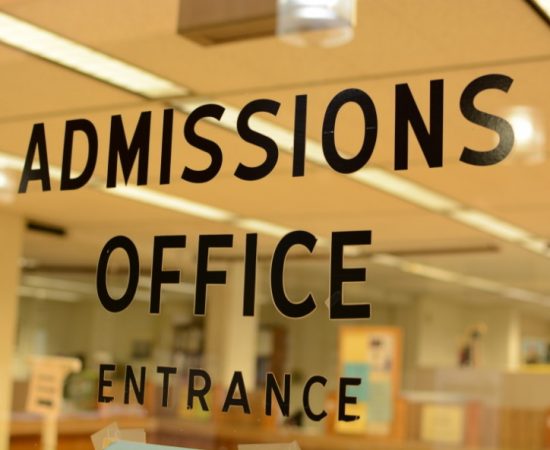

Why choose Visituniversities ?
We will prepare a professional proposal tailored to your profile and send it to you in your preferred language for approval. Once confirmed, we will personally contact the relevant universities and departments. Our representatives will liaise directly with university officials and program directors on your behalf to secure the best possible fellowship or training placement as quickly as possible.
📌 +44 7883 646080
📌 +44 7585727913
📌 +44 7593866345
📌 info@visituniversities.com
📌 oxbridge2020@gmail.com
📢 Contact Us – Get Started Today!
📍 Head Office:
🏢 Dane’s Yard, Sugar House Island, Stratford, London E15, United Kingdom
📍 International Branches:
📌 India – 201, A Building, Kangan, NIBM Road, Pune City
📌 USA – 2461 W Bulson Rd, Mount Vernon, Washington (WA), 98274
📧 Email:
📌 info@visituniversities.com
📌 oxbridge2020@gmail.com
📞 WhatsApp & Phone Support:
📌 +44 7883 646080
📌 +44 7585727913
📌 +44 7593866345
📌 graywolf650@gmail.com
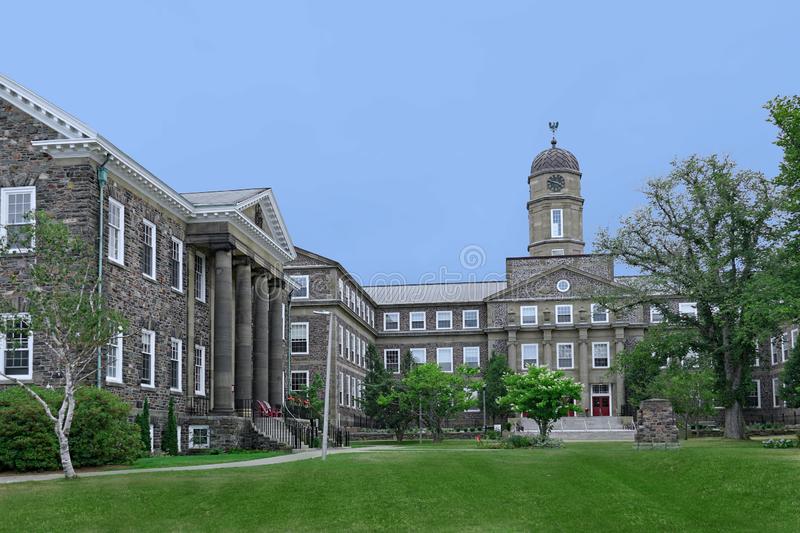 Université catholique de Louvain (UCLouvain)
 – Stipend: €4,000 per month (tax-free) for single fellows; €4,500 if accompanied by family.


Contact us
INFORMATION
96Top Reviews
99User Ratings
REASONS
Easy to Use
Mobile Check-In
Account Activity
Fast Connection
Great Security
Friendly Support