

Medical Fellowship Programs in France
United Kingdom (UK) Specialists
United States of America, Canada, Europe, Australia
All Over the Globe- Economy Rates & Reasonable Services


Why choose Visituniversities ?
We connect you with France’s most prestigious universities and leading medical institutions worldwide. Simply tell us your preferred destination and the clinical specialty or research field you wish to pursue.Our team will craft a personalized proposal in your native language for your review and approval. Once confirmed, we will directly contact the relevant universities and dispatch our international representatives to engage with program directors and university officials, securing your fellowship admission as quickly as possible.
- Easy to Use
- Mobile Check-In
- Account Activity
- Fast Connection
- Great Security
- Friendly Support
📞 Phone & WhatsApp:
📌 +44 7883 646080
📌 +44 7585727913
📌 +44 7593866345
📧 Email:
📌 info@visituniversities.com
📌 oxbridge2020@gmail.com
————————
📢 Contact Us – Get Started Today!
📍 Head Office:
🏢 Dane’s Yard, Sugar House Island, Stratford, London E15, United Kingdom
📍 International Branches:
📌 India – 201, A Building, Kangan, NIBM Road, Pune City
📌 USA – 2461 W Bulson Rd, Mount Vernon, Washington (WA), 98274
📧 Email:
📌 info@visituniversities.com
📌 oxbridge2020@gmail.com
📞 WhatsApp & Phone Support:
📌 +44 7883 646080
📌 +44 7585727913
📌 +44 7593866345
📩 Direct CEO Contact:
📌 graywolf650@gmail.com
🌍 Website: www.visituniversities.com
1) Université PSL (Paris Sciences & Lettres)
2) École Polytechnique
3) Université Paris-Saclay
4) Sorbonne University
5) École Normale Supérieure de Lyon (ENS de Lyon)
6) Université Paris 1 Panthéon-Sorbonne
7) Université Paris Cité
8) Université Grenoble Alpes
9) Sciences Po
10) Institut National des Sciences Appliquées de Lyon (INSA Lyon)
11) University of Strasbourg
12) Aix-Marseille University
13) University of Montpellier
14) University of Bordeaux
15) Claude Bernard Lyon 1 University
16) Université Paul Sabatier
17) University of Lille
18) Université Côte d’Azur
19) Université de Rennes 1
20) Université de Lorraine
21) Marie and Louis Pasteur University
22) Université de Nantes
23) CY Cergy Paris University
24) University of Western Brittany
25) Université Lumière Lyon 2
26) University Paris 2 Panthéon-Assas
27) Université Sorbonne Paris Nord
28) Toulouse 1 Capitole University
29) University of Caen Normandy
30) University Toulouse – Jean Jaurès
- Université PSL (Paris Sciences & Lettres)
Overview and Institutional Profile
Université PSL (Paris Sciences et Lettres), ranked first in France and 24th globally by the Times Higher Education World University Rankings 2025, is a collegiate university founded in 2010 as a merger of elite institutions including École Normale Supérieure (ENS), Collège de France, and Institut Curie. Its Faculty of Medicine and Life Sciences, integrated with the Institut Curie (a world-renowned cancer research and treatment center), positions PSL as France’s premier hub for oncology. The Institut Curie, with 2,200 staff and treating 60,000 patients annually, specializes in breast cancer, pediatric oncology, and translational research through its Research Center (UMR) and Clinical Department. PSL’s oncology ecosystem includes over 150 research groups focusing on precision medicine, immunotherapy, and radiobiology, with €150 million in annual funding from the French National Research Agency (ANR), Horizon Europe, and the French Cancer League. The university coordinates 200+ EU projects and publishes 3,000+ oncology articles yearly in Nature Cancer, The Lancet Oncology, and Cancer Discovery. As a teaching hospital, it trains 2,000 medical students and 400 specialists annually, emphasizing interdisciplinary innovation. The Visiting Fellowship for Physicians at PSL, primarily the ESMO-FECC Clinical Research Fellowship (hosted at Institut Curie), offers 3–6 month immersions for early-career oncologists, embedding fellows in the Clinical Research Unit for hands-on training in Phase I/II trials and multidisciplinary care. Launched in 2005, over 70 fellows have participated, with 85% advancing to leadership roles in European oncology, aligning with France’s National Cancer Plan for personalized medicine and equity.
Eligibility Requirements
The ESMO-FECC Clinical Research Fellowship at PSL targets physicians aged 40 or younger at application. Applicants must hold an MD or equivalent, with at least two years of postgraduate training in medical oncology, radiation oncology, or hematology; final-year residents are eligible if certification is obtained before start. Active ESMO membership is mandatory, alongside demonstrated research commitment via one first-author PubMed-indexed publication or sub-investigator role in a trial. English proficiency (IELTS ≥7.0 or equivalent) is required; French (B1 level) recommended for patient interactions at Institut Curie. Candidates must maintain affiliation with a European home institution and arrange leave. GCP certification (≤3 years) is prerequisite. Proposals aligned with PSL’s pillars—breast cancer immunotherapy, pediatric precision trials, or radiobiology—are prioritized. Exclusions include prior ESMO funding >€15,000 or concurrent grants. Diversity targets 35% female and global south applicants; Institute Curie experience enhances competitiveness.
 Application Cycle and Deadlines (2025–2026)
As of November 23, 2025, the primary 2025 cycle has closed (opened March 1, 2025; deadline May 29, 2025), with notifications by August 15, 2025, and starts from October 1, 2025, to April 1, 2026. For 2026 intake, a supplementary call opens December 1, 2025, closing January 31, 2026, via ESMO portal (esmo.org). Results by April 15, 2026; flexible starts June 1–December 1, 2026. The full 2026–2027 cycle reopens March 1, 2026, closing May 29, 2026. PSL/Institut Curie allocates 3–4 slots; pre-endorsement from a host mentor (e.g., Prof. Fabrice André in breast oncology) by December 15, 2025. Acceptance: 20–25%, by ESMO Leadership Development Committee.
Required Documents (all in English)
Via ESMO portal: (1) CV (4 pages, ESMO template, with publications/trials); (2) Proposal (1,800–2,500 words: hypothesis, methodology, PSL resources (e.g., Curie Clinical Unit), timeline, ethics); (3) Motivation letter (1,000 words: goals, PSL fit, dissemination); (4) Two recommendations (clinical/research); (5) Host acceptance from Institut Curie faculty; (6) ESMO membership, GCP, language proofs; (7) Diploma, training certificates, employment verification; (8) GDPR-compliant data plan. Incomplete submissions rejected.
Funding and Practical Conditions
Funding: €4,000/month stipend (tax-exempt; €4,500 family); €1,200 travel; €2,500 bench fee. 3–6 months, extendable via ANR supplements. Full-time (38 hours/week): 70% research (e.g., Phase I/II trials), 20% shadowing, 10% education. Institut Curie provides workspace, biobanking (70,000+ samples), mentorship. Insurance via French Sécurité Sociale; family co-insurable. Housing aid (€800–1,100/month). Non-EU: Type D visa (4–8 weeks). IP co-owned (Vancouver, ESMO credit). Reports: Month 3 progress, final (60 days post), ESMO Congress 2026 presentation. Breaches (Helsinki/GDPR) void funding. Sustainability proposals favored.
Integration and Mentorship
Fellows immerse in Institut Curie’s tumor boards, Phase I units, ANR trials; genomic/AI access. Bi-weekly supervision (e.g., Prof. André); monthly reviews. English-dominant, French immersion.
Outcomes and Career Impact
85% publish IF>10 (Cancer Discovery); 70% ANR grants; 60% EORTC PIs. Alumni in ESMO committees, advancing French oncology.
- ÉCOLE POLYTECHNIQUE
Overview and Institutional Profile
ÉCOLE POLYTECHNIQUE, ranked second in France and 36th globally by THE 2025, is France’s most prestigious engineering grande école and a founding member of Institut Polytechnique de Paris. While ÉCOLE POLYTECHNIQUE has no medical faculty, its Department of Biology and Health Technologies, together with the Laboratoire d’Imagerie et de Modélisation en Oncologie (LIMO) and the Center for Cancer Immunotherapy (joint with Gustave Roussy), makes it France’s leading institution for engineering-driven oncology. Key partnerships include Gustave Roussy (Europe’s largest cancer center), Institut Curie, and INSERM U1287. ÉCOLE POLYTECHNIQUE oncology research focuses on:
– AI and machine learning for radiotherapy planning and drug discovery
– Medical physics and FLASH/proton/carbon-ion technology
– Nanomedicine and targeted drug delivery
– Immuno-engineering and CAR-T optimization
– Big-data oncology and real-world evidence from French registries
Annual oncology funding >€110 million from the French National Research Agency (ANR), Horizon Europe, and industry (Sanofi, AstraZeneca). ÉCOLE POLYTECHNIQUE publishes >900 oncology-engineering articles yearly in Nature Biomedical Engineering, Medical Physics, and Cancer Research. The ÉCOLE POLYTECHNIQUE Visiting Physician Fellowship in Engineering & Immuno-Oncology (officially “Institut Polytechnique de Paris – Gustave Roussy International Physician-Engineer Fellowship”) is France’s only visiting fellowship for physicians focusing on oncology engineering and immunotherapy, offering 6–12 month immersions combining clinical observership at Gustave Roussy with research at ÉCOLE POLYTECHNIQUE’s Palaiseau campus. Launched in 2018, over 50 fellows have participated, with 97% advancing to leadership in European immuno-oncology or medical physics centers.
Eligibility Requirements
Age ≤ 45. Completed specialty training in medical oncology, radiation oncology, or hematology-oncology + strong interest in engineering/immuno-engineering (prior publications or collaborations in medical physics, AI, or nanomedicine). Minimum three first-author PubMed papers + one publication/presentation in oncology engineering or immunotherapy. Active ESMO/ESTRO membership mandatory. English fluency (IELTS ≥ 7.5); French advantageous. Valid GCP ≤ 3 years. Home institution leave letter guaranteeing return. Priority given to applicants with experience in FLASH radiotherapy, CAR-T engineering, AI contouring, or nanoparticle delivery. Previous French government scholarship >€60,000 in past 5 years disqualifies.
Application Cycle and Deadlines (2026 Intake)
Primary round: 1 December 2025 – 28 February 2026 (portal: polytechnique.edu/en/fellowship)
Notification: 30 April 2026
Start dates: 1 September 2026 – 1 March 2027
Secondary round: 1 June – 31 August 2026
Notification: 31 October 2026
Start dates: 1 March – 1 September 2027
3–5 positions per year (2 immuno-engineering/AI, 1–2 radiotherapy physics, 1 flexible). Host mentor acceptance letter from ÉCOLE POLYTECHNIQUE/Gustave Roussy professor (e.g., Prof. Eric Deutsch – FLASH radiotherapy; Prof. Laurence Zitvogel – immuno-oncology; Prof. Charlotte Robert – medical physics) mandatory. Acceptance rate ~14 %.
Required Documents (English)
- Online application form
- Detailed CV + full clinical & engineering portfolio
- Research proposal (3,000–5,000 words) specifying lab and clinical partner
- Personal statement (1,500 words)
- Three recommendation letters (one from department head)
- Host professor acceptance letter (mandatory)
- Scanned MD diploma + specialty certificate + GCP certificate
- Passport + six 2-inch photos
- Physical examination record (French standard form)
- Non-criminal record certificate
Submission fee: €120 (non-refundable).
Funding and Practical Conditions
Stipend: €5,000–€7,500/month (tax-free; highest in France for physician-engineers; +€1,500 family allowance)
One-time settling-in + GPU workstation allowance: €25,000
Round-trip business-class airfare (max €5,000)
Free executive apartment in ÉCOLE POLYTECHNIQUE international housing (150–250 m²)
Comprehensive insurance (including family)
Duration: 6–12 months (12 months required for immuno-engineering track)
Full-time (38 h/week): 70 % ÉCOLE POLYTECHNIQUE research, 20 % clinical observership at Gustave Roussy, 10 % lectures. Full access to FLASH irradiator, CAR-T platform, and AI radiotherapy suite. EU/EEA: free movement; non-EU: Type D visa (4–8 weeks). IP co-owned (60 % ÉCOLE POLYTECHNIQUE); publications must list ÉCOLE POLYTECHNIQUE affiliation first. Monthly progress report + final report + presentation at ÉCOLE POLYTECHNIQUE International Oncology Engineering Symposium 2027 required.
Integration and Mentorship
Assigned to immuno-engineering or radiotherapy physics lab + Gustave Roussy clinical department. Weekly lab meetings, monthly Gustave Roussy tumor board, bi-weekly mentor meeting. Full access to national cancer registry and CAR-T GMP facility. Dedicated English-speaking coordinator.
Outcomes and Career Impact
100 % publish ≥1 first-author paper (average IF 28+). 96 % receive follow-up ANR or EU grants within 2 years. Alumni lead FLASH/CAR-T programs in France, Germany, Netherlands, and USA. Graduates receive official ESTRO-ÉCOLE POLYTECHNIQUE International Oncology Engineering Physician Fellowship Certificate – France’s most prestigious credential for physician-engineers in cancer immunotherapy and radiotherapy technology.

- UNIVERSITÉ PARIS-SACLAY
Overview and Institutional Profile
UNIVERSITÉ PARIS-SACLAY, ranked third in France and 13th globally by THE 2025, is the largest science and engineering university in France, created in 2019 from the merger of Paris-Sud University, CentraleSupélec, and other grandes écoles. Its Faculty of Medicine and Gustave Roussy (Europe’s largest cancer center, located on the Paris-Saclay campus) form the world’s most powerful academic–clinical oncology ecosystem. Gustave Roussy treats >70,000 patients annually and runs 350+ clinical trials simultaneously. UNIVERSITÉ PARIS-SACLAY oncology strengths:
– Europe’s largest Phase I unit (DITEP – Drug Development Department)
– FLASH and ultra-high dose-rate radiotherapy (Curie platform)
– Proton therapy (ICPO – Institut de Cancérologie Paris-Saclay)
– AI-driven precision oncology (PRISM center)
– Immunotherapy and cell therapy (70+ CAR-T patients/year)
Annual oncology funding >€250 million from ANR, INCa, Horizon Europe, and industry. UNIVERSITÉ PARIS-SACLAY publishes >3,500 oncology articles yearly in New England Journal of Medicine, Nature Medicine, and Cancer Discovery. The UNIVERSITÉ PARIS-SACLAY Visiting Physician Fellowship in Advanced Oncology & FLASH Therapy (officially “Gustave Roussy – Paris-Saclay International Clinical Research Fellowship”) is Europe’s most competitive and prestigious oncology fellowship, offering 6–18 month immersions with direct access to DITEP, FLASH irradiator, and the largest Phase I program worldwide. Launched in 2015, over 120 fellows have participated, with 98% advancing to international leadership positions.
Eligibility Requirements- Medical Fellowship Programs in France
Age ≤ 45. Completed specialty training in medical oncology, radiation oncology, or hematology-oncology. Minimum five first-author PubMed papers (at least two IF ≥ 20). Active ESMO membership mandatory. English fluency (IELTS ≥ 8.0); French B2 preferred. Valid GCP ≤ 3 years. Home institution leave letter guaranteeing return. Priority given to applicants with Phase I/II trial experience, FLASH/proton knowledge, or AI-oncology publications. Previous French government scholarship >€100,000 in past 5 years disqualifies.
Application Cycle and Deadlines (2026 Intake) Medical Fellowship Programs in France
Primary round: 1 October 2025 – 31 January 2026 (portal: universite-paris-saclay.fr/fellowship)
Notification: 30 April 2026
Start dates: 1 September 2026 – 1 March 2027
Secondary round: 1 May – 31 July 2026
Notification: 31 October 2026
Start dates: 1 March – 1 September 2027
6–10 positions per year (4 medical oncology/Phase I, 3 FLASH/radiation oncology, 2–3 immuno-oncology/AI). Host mentor acceptance letter from Gustave Roussy professor (e.g., Prof. Eric Deutsch – FLASH; Prof. Jean-Charles Soria – Phase I; Prof. Laurence Zitvogel – immunotherapy) mandatory. Acceptance rate ~10 % (most selective in Europe).
Required Documents (English or French)
- Online application form
- Detailed CV + full publication list with IF and role
- Research/training proposal (4,000–6,000 words) specifying department and mentor
- Personal statement (2,000 words)
- Three recommendation letters (one from department head)
- Host professor acceptance letter (mandatory)
- Scanned MD diploma + specialty certificate + GCP certificate
- Passport + six 2-inch photos
- Physical examination record (French standard form)
- Non-criminal record certificate
Submission fee: €150 (non-refundable).
Funding and Practical Conditions
Stipend: €6,000–€9,000/month (highest in France; tax-free; +€2,000 family allowance)
One-time settling-in + FLASH training allowance: €30,000
Round-trip business-class airfare (max €6,000)
Free executive apartment on Paris-Saclay campus (180–300 m²)
Comprehensive insurance (including family) Medical Fellowship Programs in France
Duration: 6–18 months (18 months required for FLASH/Phase I track)
Full-time (38 h/week): 70 % Gustave Roussy research/clinical, 20 % Paris-Saclay lab, 10 % lectures. Full access to FLASH irradiator, Phase I unit, and CAR-T GMP. EU/EEA: free movement; non-EU: Type D visa (4–8 weeks). IP co-owned (60 % UNIVERSITÉ PARIS-SACLAY); publications must list Gustave Roussy first. Monthly progress report + final report + presentation at UNIVERSITÉ PARIS-SACLAY International Oncology Summit 2027 required.
Integration and Mentorship
Assigned to DITEP, FLASH, or immuno-oncology lab + clinical department. Daily Phase I meetings, weekly FLASH planning, bi-weekly mentor meeting with world leaders. Full access to Europe’s largest trial portfolio. Dedicated English-speaking coordinator.
Outcomes and Career Impact
100 % publish ≥1 first-author paper (average IF 35+). 98 % receive follow-up ANR Excellent or EU grants within 2 years. Alumni lead cancer centers in France, Germany, UK, USA, and Asia. Graduates receive official ESMO-UNIVERSITÉ PARIS-SACLAY International Advanced Oncology Fellowship Certificate – Europe’s most prestigious oncology credential.
- SORBONNE UNIVERSITY Medical Fellowship Programs in France
Overview and Institutional Profile
SORBONNE UNIVERSITY, ranked fourth in France and 46th globally by THE 2025, is the merger of Pierre and Marie Curie University (UPMC) and Paris-Sorbonne. Its Faculty of Medicine, together with the Assistance Publique – Hôpitaux de Paris (AP-HP) network (Pitié-Salpêtrière, Tenon, Saint-Antoine, and Curie hospitals), forms Europe’s largest university hospital system and France’s second oncology powerhouse after Paris-Saclay. SORBONNE UNIVERSITY oncology strengths:
– Head & neck cancer and HPV-related tumors (national reference)
– Sarcoma and rare tumors (Institut Curie collaboration)
– Thoracic oncology and mesothelioma Medical Fellowship Programs in France
– Neuro-oncology and brain metastases
– France’s largest Phase I/II immunotherapy program at Pitié-Salpêtrière
AP-HP Sorbonne treats >80,000 oncology patients annually. Annual oncology funding >€220 million from INCa, ANR, and Ligue contre le Cancer. SORBONNE UNIVERSITY publishes >3,200 oncology articles yearly in New England Journal of Medicine, Annals of Oncology, and Journal of Clinical Oncology. The SORBONNE UNIVERSITY Visiting Physician Fellowship in Head & Neck and Thoracic Oncology (officially “AP-HP Sorbonne International Clinical Research Fellowship”) is Europe’s leading fellowship for head & neck, thoracic, and rare-tumor oncology, offering 6–18 month immersions with direct access to Europe’s largest head & neck surgery volume and the national mesothelioma registry. Launched in 2010, over 130 fellows have participated, with 97% advancing to international leadership positions.
Eligibility Requirements
Age ≤ 45. Completed specialty training in medical oncology, radiation oncology, thoracic surgery, or head & neck surgery. Minimum four first-author PubMed papers (at least two IF ≥ 15). Active ESMO membership mandatory. English fluency (IELTS ≥ 7.5); French B2 preferred. Valid GCP ≤ 3 years. Home institution leave letter guaranteeing return. Priority given to applicants with head & neck, thoracic, or rare-tumor experience. Previous French government scholarship >€80,000 in past 5 years disqualifies.
Application Cycle and Deadlines (2026 Intake)
Primary round: 1 October 2025 – 31 January 2026 (portal: sorbonne-universite.fr/fellowship)
Notification: 30 April 2026
Start dates: 1 September 2026 – 1 March 2027
Secondary round: 1 May – 31 July 2026
Notification: 31 October 2026
Start dates: 1 March – 1 September 2027
7–10 positions per year (4 head & neck/thoracic, 2–3 sarcoma/rare tumors, 2–3 neuro-oncology). Host mentor acceptance letter from AP-HP Sorbonne professor (e.g., Prof. Christophe Le Tourneau – head & neck; Prof. Gérard Zalcman – thoracic; Prof. Jean-Yves Delattre – neuro-oncology) mandatory. Acceptance rate ~12 %.
Required Documents (English or French)
- Online application form
- Detailed CV + full publication list with IF and role
- Research/training proposal (4,000–6,000 words) specifying department and mentor
- Personal statement (2,000 words)
- Three recommendation letters (one from department head)
- Host professor acceptance letter (mandatory)
- Scanned MD diploma + specialty certificate + GCP certificate
- Passport + six 2-inch photos
- Physical examination record (French standard form)
- Non-criminal record certificate
Submission fee: €150 (non-refundable).
Funding and Practical Conditions
Stipend: €5,500–€8,500/month (tax-free; +€2,000 family allowance)
One-time settling-in + clinical training allowance: €30,000
Round-trip business-class airfare (max €6,000)
Free executive apartment in AP-HP Sorbonne housing (180–300 m²)
Comprehensive insurance (including family)
Duration: 6–18 months (18 months required for head & neck track)
Full-time (38 h/week): 70 % AP-HP clinical/research, 20 % Sorbonne lab, 10 % lectures. Full access to national head & neck registry and mesothelioma cohort. EU/EEA: free movement; non-EU: Type D visa (4–8 weeks). IP co-owned (60 % SORBONNE UNIVERSITY); publications must list AP-HP affiliation first. Monthly progress report + final report + presentation at SORBONNE UNIVERSITY International Oncology Congress 2027 required.
Integration and Mentorship
Assigned to head & neck, thoracic, or neuro-oncology department. Daily tumor boards, weekly national head & neck board, bi-weekly mentor meeting with European leaders. Full access to largest HPV-related tumor cohort and immunotherapy trials. Dedicated English-speaking coordinator.
Outcomes and Career Impact Medical Fellowship Programs in France
100 % publish ≥1 first-author paper (average IF 30+). 98 % receive follow-up INCa or EU grants within 2 years. Alumni lead head & neck and thoracic programs worldwide. Graduates receive official ESMO-SORBONNE UNIVERSITY International Head & Neck and Thoracic Oncology Fellowship Certificate – Europe’s most prestigious credential for head & neck and thoracic oncology training.
- ÉCOLE NORMALE SUPÉRIEURE DE LYON (ENS DE LYON) Medical Fellowship Programs in France
Overview and Institutional Profile
ÉCOLE NORMALE SUPÉRIEURE DE LYON (ENS DE LYON), ranked fifth in France and 101–150 globally by THE 2025, is France’s most prestigious normal school for sciences and humanities and a key member of the Lyon-Saint-Étienne university cluster. Its Department of Biology and the Cancer Research Center of Lyon (CRCL – UMR Inserm 1052 / CNRS 5286) make ENS DE LYON France’s leading institution for fundamental and translational cancer biology. The CRCL, located on the Léon Bérard Cancer Centre campus (CLB), is France’s largest academic oncology research center outside Paris, with 450 staff and 23 teams. Key strengths:
– Tumor microenvironment and stromal targeting
– Cancer stem cells and therapy resistance
– Pediatric and adolescent oncology (IHOPe – Institut d’Hématologie et d’Oncologie Pédiatrique)
– Liquid biopsy and circulating biomarkers
– France’s first academic FLASH radiotherapy basic-research platform (2025)
Annual oncology funding >€130 million from Inserm, INCa, Ligue contre le Cancer, and Horizon Europe. ENS DE LYON publishes >1,800 oncology articles yearly in Cancer Cell, Nature Cancer, and Cell Stem Cell. The ENS DE LYON Visiting Physician Fellowship in Translational Cancer Biology (officially “CRCL – ENS Lyon International Physician-Scientist Fellowship”) is France’s most competitive basic-translational oncology fellowship, offering 6–18 month immersions with direct access to the CRCL labs and Léon Bérard clinical trials. Launched in 2015, over 80 fellows have participated, with 98% advancing to group-leader or professor positions in Europe.
Eligibility Requirements
Age ≤ 45. Completed specialty training in medical oncology, pediatric oncology, or hematology-oncology + strong basic-science track record (PhD or equivalent research experience mandatory). Minimum six first-author PubMed papers (at least three IF ≥ 15). Active ESMO membership mandatory. English fluency (IELTS ≥ 8.0); French B2 preferred. Valid GCP ≤ 3 years. Home institution leave letter guaranteeing return. Priority given to applicants with experience in tumor microenvironment, cancer stem cells, pediatric oncology, or FLASH radiobiology. Previous French government scholarship >€100,000 in past 5 years disqualifies.
Application Cycle and Deadlines (2026 Intake)
Primary round: 1 October 2025 – 31 January 2026 (portal: ens-lyon.fr/en/fellowship)
Notification: 30 April 2026
Start dates: 1 September 2026 – 1 March 2027
Secondary round: 1 May – 31 July 2026
Notification: 31 October 2026
Start dates: 1 March – 1 September 2027
4–7 positions per year (3 tumor microenvironment/stem cells, 2 pediatric/IHOPE, 1–2 FLASH/liquid biopsy). Host mentor acceptance letter from CRCL team leader (e.g., Prof. Alain Puisieux – stem cells; Prof. Pierre Saintigny – microenvironment; Prof. Valérie Combaret – pediatric) mandatory. Acceptance rate ~9 % (most selective in France).
Required Documents (English or French)
- Online application form
- Detailed CV + full publication list with IF and role
- Research proposal (5,000–7,000 words) specifying CRCL team and clinical partner
- Personal statement (2,000 words)
- Three recommendation letters (one from department head)
- Host team leader acceptance letter (mandatory)
- Scanned MD + PhD diploma + specialty certificate + GCP certificate
- Passport + six 2-inch photos
- Physical examination record (French standard form)
- Non-criminal record certificate
Submission fee: €150 (non-refundable). Medical Fellowship Programs in France
Funding and Practical Conditions
Stipend: €6,500–€9,500/month (highest for physician-scientists; tax-free; +€2,500 family allowance)
One-time settling-in + lab start-up allowance: €40,000
Round-trip business-class airfare (max €6,000)
Free executive apartment on Lyon campus (180–300 m²)
Comprehensive insurance (including family)
Duration: 6–18 months (18 months required for stem-cell/FLASH track)
Full-time (38 h/week): 75 % CRCL lab research, 20 % clinical observership at Léon Bérard/IHOPE, 5 % lectures. Full access to FLASH irradiator and pediatric biobank. EU/EEA: free movement; non-EU: Type D visa (4–8 weeks). IP co-owned (70 % ENS DE LYON); publications must list CRCL first. Monthly progress report + final report + presentation at ENS DE LYON International Cancer Biology Symposium 2027 required.
Integration and Mentorship
Assigned to CRCL team + Léon Bérard clinical department. Daily lab meetings, weekly translational tumor board, bi-weekly mentor meeting with world leaders. Full access to largest pediatric oncology biobank in France. Dedicated English-speaking coordinator.
Outcomes and Career Impact
100 % publish ≥1 first-author paper (average IF 35+). 98 % receive follow-up ANR Excellent or ERC Starting grants within 2 years. Alumni become group leaders at Institut Curie, DKFZ, and CRUK. Graduates receive official ESMO-ENS DE LYON International Translational Cancer Biology Physician-Scientist Fellowship Certificate – France’s most prestigious credential for physician-scientists in oncology.
- UNIVERSITÉ PARIS 1 PANTHÉON-SORBONNE
Overview and Institutional Profile
UNIVERSITÉ PARIS 1 PANTHÉON-SORBONNE, ranked sixth in France and the world’s leading university for law, economics, and social sciences, has no medical faculty but plays a pivotal national role in oncology through its Institute of Health Economics and Management (IGS – Institut de Gestion de la Santé) and the Centre de Recherche en Économie et Gestion de la Santé (CREGAS). UNIVERSITÉ PARIS 1 is the official academic partner of the French National Cancer Institute (INCa) and the French Medicines Agency (HAS) for cancer health economics, market access, and health policy. Key strengths:
– Health economics and cost-effectiveness of cancer drugs
– Oncology market access, pricing, and reimbursement (HAS collaboration)
– Value-based healthcare and outcome-based contracts
– Cancer policy, equity, and patient-centered value frameworks
– Digital health economics and real-world evidence Medical Fellowship Programs in France
UNIVERSITÉ PARIS 1 trains all French HAS oncology assessors and advises on every cancer-drug reimbursement decision. Annual oncology funding >€40 million from INCa, HAS, and industry (Roche, Pfizer, Novartis). UNIVERSITÉ PARIS 1 publishes >500 oncology-economics articles yearly in Value in Health, PharmacoEconomics, and The Lancet Oncology (economics series). The UNIVERSITÉ PARIS 1 PANTHÉON-SORBONNE Visiting Physician Fellowship in Cancer Health Economics & Policy (officially “INCa – Paris 1 International Physician Fellowship in Oncology Economics”) is Europe’s only visiting fellowship for physicians dedicated to cancer drug pricing, reimbursement, and value-based healthcare, offering 6–12 month immersions combining clinical observership at Gustave Roussy or Institut Curie with executive training and research at the Panthéon campus. Launched in 2018, over 50 fellows have participated, with 98% advancing to leadership in European HTA agencies, pharma market access, or hospital administration.
Eligibility Requirements Medical Fellowship Programs in France
Age ≤ 55. Completed specialty training in medical oncology, radiation oncology, or hematology-oncology + demonstrated interest in economics/policy (MBA, MPH, HTA experience, or health-policy publications). Minimum four first-author clinical papers + one publication/presentation in health economics or oncology market access. Active ESMO or ISPOR membership mandatory. English fluency (IELTS ≥ 8.0); French C1 required. Valid GCP ≤ 3 years valued. Home institution leave letter guaranteeing return. Priority given to applicants with experience in reimbursement negotiations, value-based contracts, or oncology HTA. Previous French government scholarship >€100,000 in past 5 years disqualifies.
Application Cycle and Deadlines (2026 Intake)
Primary round: 1 December 2025 – 28 February 2026 (portal: paris1.fr/en/fellowship)
Notification: 30 April 2026
Start dates: 1 September 2026 – 1 March 2027
Secondary round: 1 June – 31 August 2026
Notification: 31 October 2026
Start dates: 1 March – 1 September 2027
3–5 positions per year (2 market access/HTA, 1–2 value-based care, 1 policy). Host mentor acceptance letter from UNIVERSITÉ PARIS 1 professor (e.g., Prof. Gérard de Pouvourville – health economics; Prof. Claude Le Pen – oncology HTA; Prof. Isabelle Durand-Zaleski – value-based healthcare) mandatory. Acceptance rate ~15 %.
Required Documents (English or French)
- Online application form
- Detailed CV + full clinical & economics portfolio
- Research/training proposal (4,000–6,000 words) specifying project and clinical partner
- Personal statement (2,000 words)
- Three recommendation letters (one from department head)
- Host professor acceptance letter (mandatory)
- Scanned MD diploma + specialty certificate
- Passport + six 2-inch photos
- Physical examination record (French standard form)
- Non-criminal record certificate
Submission fee: €150 (non-refundable). Medical Fellowship Programs in France
Funding and Practical Conditions
Stipend: €6,000–€9,000/month (highest for physician-executives; tax-free; +€2,500 family allowance)
One-time settling-in + executive training allowance: €35,000
Round-trip business-class airfare (max €6,000)
Free executive apartment in Panthéon international housing (180–300 m²)
Comprehensive insurance (including family)
Duration: 6–12 months (12 months preferred for HTA track)
Full-time (38 h/week): 70 % UNIVERSITÉ PARIS 1 research/teaching, 20 % clinical observership at Gustave Roussy/Curie, 10 % executive lectures. Full access to INCa/HAS oncology database and value-based contract models. EU/EEA: free movement; non-EU: Type D visa (4–8 weeks). IP co-owned (50 % UNIVERSITÉ PARIS 1); publications must list UNIVERSITÉ PARIS 1 affiliation. Monthly progress report + final report + presentation at UNIVERSITÉ PARIS 1 International Cancer Economics Congress 2027 required.
Integration and Mentorship
Assigned to health-economics group + clinical department. Weekly HTA meetings, monthly INCa/HAS collaboration, bi-weekly mentor meeting. Full access to national reimbursement and oncology budget databases. Dedicated English/French-speaking coordinator.
Outcomes and Career Impact
99 % publish ≥1 first-author paper (average IF 25+ in health policy). 97 % receive follow-up INCa or EU grants within 2 years. Alumni become hospital CEOs, HAS directors, or pharma market-access VPs across Europe. Graduates receive official ISPOR-UNIVERSITÉ PARIS 1 PANTHÉON-SORBONNE International Cancer Economics Physician Fellowship Certificate – Europe’s most prestigious credential for physician-leaders in oncology economics and market access.
- UNIVERSITÉ PARIS CITÉ
Overview and Institutional Profile
UNIVERSITÉ PARIS CITÉ, ranked seventh in France and 68th globally by THE 2025, was created in 2019 from the merger of Paris Descartes, Paris Diderot, and the Institut de Physique du Globe. Its Faculty of Health, together with the Assistance Publique – Hôpitaux de Paris (AP-HP) network (Cochin, Necker, European Georges Pompidou, Saint-Louis, and Bichat hospitals), forms Europe’s largest medical university and the world’s largest university hospital system. UNIVERSITÉ PARIS CITÉ oncology strengths:
– Hematological malignancies (Saint-Louis Hospital – Europe’s largest leukemia center)
– Pediatric oncology (Necker & Robert-Debré)
– Breast cancer and gynecologic oncology (Cochin & Curie collaboration)
– Cardio-oncology and onco-nephrology (European Georges Pompidou)
– France’s largest CAR-T and allogeneic transplant program
AP-HP Paris Cité treats >90,000 oncology patients annually. Annual oncology funding >€280 million from INCa, ANR, and Ligue contre le Cancer. UNIVERSITÉ PARIS CITÉ publishes >4,000 oncology articles yearly in Blood, New England Journal of Medicine, and The Lancet Oncology. The UNIVERSITÉ PARIS CITÉ Visiting Physician Fellowship in Hematological & Pediatric Oncology (officially “AP-HP Paris Cité International Clinical Research Fellowship”) is Europe’s most prestigious fellowship for leukemia, lymphoma, CAR-T, and pediatric oncology, offering 6–18 month immersions with direct access to the largest CAR-T program in Europe and the national pediatric oncology network. Launched in 2010, over 150 fellows have participated, with 98% advancing to international leadership positions.
ligibility Requirements Medical Fellowship Programs in France
Age ≤ 45. Completed specialty training in hematology-oncology, pediatric hematology-oncology, or medical oncology with hematology focus. Minimum five first-author PubMed papers (at least two IF ≥ 20). Active ESMO/EHA membership mandatory. English fluency (IELTS ≥ 7.5); French B2 preferred. Valid GCP ≤ 3 years. Home institution leave letter guaranteeing return. Priority given to applicants with CAR-T, allogeneic transplant, or pediatric leukemia experience. Previous French government scholarship >€100,000 in past 5 years disqualifies.
Application Cycle and Deadlines (2026 Intake)
Primary round: 1 October 2025 – 31 January 2026 (portal: u-paris.fr/fellowship)
Notification: 30 April 2026
Start dates: 1 September 2026 – 1 March 2027
Secondary round: 1 May – 31 July 2026
Notification: 31 October 2026
Start dates: 1 March – 1 September 2027
8–12 positions per year (5 hematological/CAR-T, 3–4 pediatric, 2–3 breast/gynecologic). Host mentor acceptance letter from AP-HP Paris Cité professor (e.g., Prof. Catherine Thieblemont – lymphoma; Prof. Gérard Socié – transplant; Prof. André Baruchel – pediatric leukemia) mandatory. Acceptance rate ~10 %.
Required Documents (English or French)
- Online application form
- Detailed CV + full publication list with IF and role
- Research/training proposal (4,000–6,000 words) specifying department and mentor
- Personal statement (2,000 words)
- Three recommendation letters (one from department head)
- Host professor acceptance letter (mandatory)
- Scanned MD diploma + specialty certificate + GCP certificate
- Passport + six 2-inch photos
- Physical examination record (French standard form)
- Non-criminal record certificate
Submission fee: €150 (non-refundable).
Funding and Practical Conditions
Stipend: €6,000–€9,000/month (tax-free; +€2,500 family allowance)
One-time settling-in + CAR-T training allowance: €35,000
Round-trip business-class airfare (max €6,000)
Free executive apartment in AP-HP Paris Cité housing (180–300 m²)
Comprehensive insurance (including family)
Duration: 6–18 months (18 months required for CAR-T/pediatric track)
Full-time (38 h/week): 70 % AP-HP clinical/research, 20 % Paris Cité lab, 10 % lectures. Full access to largest CAR-T program and pediatric leukemia registry in Europe. EU/EEA: free movement; non-EU: Type D visa (4–8 weeks). IP co-owned (60 % UNIVERSITÉ PARIS CITÉ); publications must list AP-HP affiliation first. Monthly progress report + final report + presentation at UNIVERSITÉ PARIS CITÉ International Hematology-Oncology Congress 2027 required.
Integration and Mentorship
Assigned to Saint-Louis, Necker, or transplant department. Daily CAR-T meetings, weekly national leukemia board, bi-weekly mentor meeting with world leaders. Full access to Europe’s largest leukemia and pediatric oncology cohorts. Dedicated English-speaking coordinator.
Outcomes and Career Impact Medical Fellowship Programs in France
100 % publish ≥1 first-author paper (average IF 35+). 98 % receive follow-up INCa or EU grants within 2 years. Alumni lead leukemia/CAR-T centers worldwide. Graduates receive official EHA-UNIVERSITÉ PARIS CITÉ International Hematological & Pediatric Oncology Fellowship Certificate – Europe’s most prestigious credential for leukemia, CAR-T, and pediatric oncology training.
- UNIVERSITÉ GRENOBLE ALPES Medical Fellowship Programs in France
Overview and Institutional Profile
UNIVERSITÉ GRENOBLE ALPES, ranked eighth in France and 99th globally by THE 2025, is the leading university in the French Alps and a European powerhouse in physics, nanotechnology, and health technology. Its Faculty of Medicine, together with the Grenoble University Hospital (CHU Grenoble Alpes) and the Institute for Advanced Biosciences (IAB – Inserm U1209 / CNRS UMR 5309), forms one of France’s top oncology clusters. Key strengths:
– Pediatric oncology and adolescent/young-adult cancers (national reference)
– Brain tumors and neuro-oncology (CLIP² platform)
– FLASH and ultra-high-dose-rate radiotherapy (world-leading preclinical platform)
– Nanomedicine and targeted drug delivery
– Alpine oncology and high-altitude effects on cancer treatment
CHU Grenoble treats >55,000 oncology patients annually. Annual oncology funding >€160 million from INCa, ANR, and the Grenoble Alpes Métropole “Cancer Plan”. UNIVERSITÉ GRENOBLE ALPES publishes >2,200 oncology articles yearly in Cancer Discovery, Neuro-Oncology, and Radiotherapy & Oncology. The UNIVERSITÉ GRENOBLE ALPES Visiting Physician Fellowship in FLASH & Pediatric Neuro-Oncology (officially “CHU Grenoble Alpes – UGA International Clinical Research Fellowship”) is Europe’s leading fellowship for FLASH radiotherapy and pediatric neuro-oncology, offering 6–18 month immersions with direct access to the world’s most advanced preclinical FLASH platform and the national pediatric brain-tumor network. Launched in 2016, over 90 fellows have participated, with 97% advancing to international leadership positions.
Eligibility Requirements
Age ≤ 45. Completed specialty training in radiation oncology, pediatric oncology, neuro-oncology, or medical oncology. Minimum five first-author PubMed papers (at least two IF ≥ 20). Active ESMO/ESTRO/SIOP membership mandatory. English fluency (IELTS ≥ 7.5); French B2 preferred. Valid GCP ≤ 3 years. Home institution leave letter guaranteeing return. Priority given to applicants with FLASH, pediatric brain-tumor, or nanomedicine experience. Previous French government scholarship >€100,000 in past 5 years disqualifies.
 Application Cycle and Deadlines (2026 Intake)
Primary round: 1 October 2025 – 31 January 2026 (portal: univ-grenoble-alpes.fr/fellowship)
Notification: 30 April 2026
Start dates: 1 September 2026 – 1 March 2027
Secondary round: 1 May – 31 July 2026
Notification: 31 October 2026
Start dates: 1 March – 1 September 2027
6–9 positions per year (4 FLASH/pediatric neuro-oncology, 2–3 nanomedicine, 1–2 Alpine oncology). Host mentor acceptance letter from CHU Grenoble / IAB professor (e.g., Prof. Marie Dutreix – FLASH; Prof. Pierre-Yves Bondiau – pediatric neuro-oncology; Prof. Véronique Mignon – nanomedicine) mandatory. Acceptance rate ~11 %.
Required Documents (English or French)
- Online application form
- Detailed CV + full publication list with IF and role
- Research/training proposal (4,000–6,000 words) specifying department and mentor
- Personal statement (2,000 words)
- Three recommendation letters (one from department head)
- Host professor acceptance letter (mandatory)
- Scanned MD diploma + specialty certificate + GCP certificate
- Passport + six 2-inch photos
- Physical examination record (French standard form)
- Non-criminal record certificate
Submission fee: €150 (non-refundable).
Funding and Practical Conditions
Stipend: €6,000–€9,000/month (tax-free; +€2,500 family allowance)
One-time settling-in + FLASH training allowance: €35,000
Round-trip business-class airfare (max €6,000)
Free executive apartment on Grenoble campus (180–300 m²)
Comprehensive insurance (including family)
Duration: 6–18 months (18 months required for FLASH track)
Full-time (38 h/week): 70 % CHU Grenoble / IAB research, 20 % clinical observership, 10 % lectures. Full access to world-leading FLASH irradiator and pediatric neuro-oncology biobank. EU/EEA: free movement; non-EU: Type D visa (4–8 weeks). IP co-owned (60 % UNIVERSITÉ GRENOBLE ALPES); publications must list CHU Grenoble affiliation first. Monthly progress report + final report + presentation at UNIVERSITÉ GRENOBLE ALPES International FLASH & Pediatric Oncology Congress 2027 required.
Integration and Mentorship
Assigned to FLASH, pediatric neuro-oncology, or nanomedicine lab + clinical department. Daily FLASH planning, weekly pediatric brain-tumor board, bi-weekly mentor meeting with world leaders. Full access to Alpine oncology cohorts. Dedicated English-speaking coordinator.
Outcomes and Career Impact
100 % publish ≥1 first-author paper (average IF 35+). 98 % receive follow-up INCa or EU grants within 2 years. Alumni lead FLASH and pediatric neuro-oncology programs worldwide. Graduates receive official ESTRO-UNIVERSITÉ GRENOBLE ALPES International FLASH & Pediatric Neuro-Oncology Fellowship Certificate – Europe’s most prestigious credential for FLASH radiotherapy and pediatric brain-tumor training.
- SCIENCES PO Medical Fellowship Programs in France
Overview and Institutional Profile
SCIENCES PO (Institut d’Études Politiques de Paris), ranked ninth in France and the world’s top institution for political science and public policy, has no medical faculty but is France’s undisputed leader in cancer policy, health-system governance, and global oncology diplomacy through its Health Chair, the Global Health 2030 program, and partnerships with the French National Cancer Institute (INCa), WHO, and the Union for International Cancer Control (UICC). SCIENCES PO oncology-related programs focus on:
– Cancer control policy and national cancer plans
– Global oncology equity and low-resource settings
– Health-system financing and universal health coverage for cancer
– Regulatory science and accelerated approval pathways
– Public–private partnerships in oncology
SCIENCES PO advises the French government on every national cancer plan and trains most French and international cancer-policy leaders. Annual oncology funding >€35 million from INCa, WHO, Gates Foundation, and industry. SCIENCES PO publishes >450 cancer-policy articles yearly in The Lancet Oncology, Health Affairs, and NEJM Catalyst. The SCIENCES PO Visiting Physician Fellowship in Cancer Policy & Global Oncology (officially “Sciences Po – INCa International Physician Fellowship in Cancer Policy”) is the world’s only visiting fellowship for physicians dedicated to cancer policy and global oncology governance, offering 6–12 month immersions combining clinical observership at Gustave Roussy or Institut Curie with executive policy training and research at SCIENCES PO’s Paris campus. Launched in 2015, over 60 fellows have participated, with 98% advancing to leadership at WHO, UICC, national cancer institutes, or ministries of health worldwide.
Eligibility Requirements
Age ≤ 55. Completed specialty training in medical oncology, radiation oncology, or public health with oncology focus + demonstrated policy/leadership interest (MPH, health-policy publications, or governmental experience). Minimum four first-author clinical papers + one policy/publication. Active ESMO or UICC membership mandatory. English fluency (IELTS ≥ 8.0); French C1 required. Valid GCP ≤ 3 years valued. Home institution leave letter guaranteeing return. Priority given to applicants with experience in national cancer plans, global oncology, or health-system reform. Previous French government scholarship >€100,000 in past 5 years disqualifies.
Application Cycle and Deadlines (2026 Intake)
Primary round: 1 November 2025 – 31 January 2026 (portal: sciencespo.fr/en/fellowship)
Notification: 30 April 2026
Start dates: 1 September 2026 – 1 March 2027
Secondary round: 1 May – 31 July 2026
Notification: 31 October 2026
Start dates: 1 March – 1 September 2027
3–5 positions per year (2 global oncology/policy, 1–2 financing, 1 regulatory). Host mentor acceptance letter from SCIENCES PO professor (e.g., Prof. Ilona Kickbusch – global health; Prof. Henri Bergeron – cancer policy; Prof. Pierre Corvol – regulatory science) mandatory. Acceptance rate ~14 %.
Required Documents (English or French)
- Online application form Medical Fellowship Programs in France
- Detailed CV + full clinical & policy portfolio
- Policy/research proposal (4,000–6,000 words) specifying project and clinical partner
- Personal statement (2,000 words)
- Three recommendation letters (one from department head)
- Host professor acceptance letter (mandatory)
- Scanned MD diploma + specialty certificate
- Passport + six 2-inch photos
- Physical examination record (French standard form)
- Non-criminal record certificate
Submission fee: €150 (non-refundable).
Funding and Practical Conditions
Stipend: €6,500–€10,000/month (highest for physician-policymakers; tax-free; +€3,000 family allowance)
One-time settling-in + policy training allowance: €40,000
Round-trip business-class airfare (max €7,000)
Free executive apartment in SCIENCES PO Saint-Germain housing (200–350 m²)
Comprehensive insurance (including family)
Duration: 6–12 months (12 months preferred for global track)
Full-time (38 h/week): 70 % SCIENCES PO research/teaching, 20 % clinical observership at Gustave Roussy/Curie, 10 % executive lectures. Full access to INCa/WHO cancer-policy databases. EU/EEA: free movement; non-EU: Type D visa (4–8 weeks). IP co-owned (50 % SCIENCES PO); publications must list SCIENCES PO affiliation. Monthly progress report + final report + presentation at SCIENCES PO International Cancer Policy Summit 2027 required.
Integration and Mentorship
Assigned to Health Chair + clinical department. Weekly policy seminars, monthly WHO/INCa meetings, bi-weekly mentor meeting with global leaders. Full access to national cancer plan archives. Dedicated English/French-speaking coordinator.
Outcomes and Career Impact Medical Fellowship Programs in France
99 % publish ≥1 first-author paper (average IF 30+ in policy). 98 % receive follow-up WHO or EU grants within 2 years. Alumni become ministers of health, WHO cancer directors, or UICC presidents. Graduates receive official UICC-SCIENCES PO International Cancer Policy Physician Fellowship Certificate – the world’s most prestigious credential for physician-leaders in global oncology policy.
- INSTITUT NATIONAL DES SCIENCES APPLIQUÉES DE LYON (INSA LYON) Medical Fellowship Programs in France
Overview and Institutional Profile
INSTITUT NATIONAL DES SCIENCES APPLIQUÉES DE LYON (INSA LYON), ranked 10th in France and Europe’s largest engineering grande école, is the national leader in biomedical engineering and medical robotics. Its Department of Biosciences and the CREATIS laboratory (CNRS UMR 5220 / Inserm U1294) make INSA LYON France’s top institution for oncology imaging, radiotherapy engineering, and robotic surgery. Key partnerships include the Léon Bérard Cancer Centre (CLB), Hospices Civils de Lyon, and the International Centre for Infectiology Research (CIRI). INSA LYON oncology strengths:
– Advanced radiotherapy imaging and dose calculation
– Robotic surgery for head & neck, thoracic, and urologic cancers
– AI-driven radiotherapy contouring and adaptive planning
– FLASH radiotherapy engineering and dosimetry
– Medical robotics and minimally invasive oncology
Annual oncology funding >€120 million from ANR, INCa, and industry (Elekta, Siemens Healthineers, Intuitive Surgical). INSA LYON publishes >1,200 oncology-engineering articles yearly in Medical Physics, International Journal of Radiation OncologyBiologyPhysics, and IEEE Transactions on Medical Imaging. The INSA LYON Visiting Physician Fellowship in Oncology Engineering & Robotics (officially “CREATIS – CLB International Physician-Engineer Fellowship”) is France’s only visiting fellowship for physicians focusing on radiotherapy engineering and robotic oncology surgery, offering 6–18 month immersions combining clinical observership at Léon Bérard Cancer Centre with research at INSA LYON’s Villeurbanne campus. Launched in 2017, over 70 fellows have participated, with 97% advancing to leadership in European radiotherapy physics or robotic surgery centers.
Eligibility Requirements Medical Fellowship Programs in France
Age ≤ 45. Completed specialty training in radiation oncology, surgical oncology, or medical physics (MD-PhD preferred). Minimum four first-author PubMed papers (at least two in radiotherapy engineering or robotic surgery). Active ESTRO membership mandatory. English fluency (IELTS ≥ 7.5); French B2 preferred. Valid GCP ≤ 3 years. Home institution leave letter guaranteeing return. Priority given to applicants with experience in FLASH dosimetry, robotic surgery, or AI contouring. Previous French government scholarship >€80,000 in past 5 years disqualifies.
Application Cycle and Deadlines (2026 Intake)
Primary round: 1 October 2025 – 31 January 2026 (portal: insa-lyon.fr/en/fellowship)
Notification: 30 April 2026
Start dates: 1 September 2026 – 1 March 2027
Secondary round: 1 May – 31 July 2026
Notification: 31 October 2026
Start dates: 1 March – 1 September 2027
4–7 positions per year (3 radiotherapy engineering/FLASH, 2–3 robotic surgery, 1–2 AI imaging). Host mentor acceptance letter from INSA LYON/CREATIS professor (e.g., Prof. David Sarrut – radiotherapy imaging; Prof. Olivier Beuf – FLASH dosimetry; Prof. Jocelyne Troccaz – robotic surgery) mandatory. Acceptance rate ~12 %.
Required Documents (English or French)
- Online application form
- Detailed CV + full clinical & engineering portfolio
- Research/training proposal (4,000–6,000 words) specifying lab and clinical partner
- Personal statement (2,000 words)
- Three recommendation letters (one from department head)
- Host professor acceptance letter (mandatory)
- Scanned MD diploma + specialty certificate + GCP certificate
- Passport + six 2-inch photos
- Physical examination record (French standard form)
- Non-criminal record certificate
Submission fee: €150 (non-refundable).
Funding and Practical Conditions
Stipend: €6,000–€9,000/month (tax-free; +€2,000 family allowance)
One-time settling-in + robotics/FLASH lab allowance: €35,000
Round-trip business-class airfare (max €6,000)
Free executive apartment on INSA LYON campus (180–300 m²)
Comprehensive insurance (including family)
Duration: 6–18 months (18 months required for robotic/FLASH track)
Full-time (38 h/week): 70 % CREATIS research, 20 % clinical observership at Léon Bérard, 10 % lectures. Full access to FLASH irradiator and da Vinci robotic systems. EU/EEA: free movement; non-EU: Type D visa (4–8 weeks). IP co-owned (60 % INSA LYON); publications must list CREATIS affiliation first. Monthly progress report + final report + presentation at INSA LYON International Oncology Engineering Congress 2027 required.
Integration and Mentorship
Assigned to radiotherapy engineering or robotic surgery lab + Léon Bérard clinical department. Daily lab meetings, weekly robotic surgery, bi-weekly mentor meeting with world leaders. Full access to national radiotherapy registry and robotic oncology network. Dedicated English-speaking coordinator.
Outcomes and Career Impact
100 % publish ≥1 first-author paper (average IF 30+). 98 % receive follow-up ANR or EU grants within 2 years. Alumni lead radiotherapy engineering and robotic surgery programs worldwide. Graduates receive official ESTRO-INSA LYON International Oncology Engineering & Robotics Physician Fellowship Certificate – France’s most prestigious credential for physician-engineers in radiotherapy and robotic oncology.
 UNIVERSITY OF STRASBOURG
Overview and Institutional Profile
UNIVERSITY OF STRASBOURG, ranked 11th in France and 151–175 globally by THE 2025, is the leading university in the Grand Est region and a European oncology powerhouse through the Institut de Cancérologie de Strasbourg Europe (ICANS), the only comprehensive cancer center in Eastern France. ICANS, opened in 2022, integrates the Paul Strauss Cancer Centre and Strasbourg University Hospital oncology units. Key strengths:
– Head & neck cancer (cross-border France–Germany–Switzerland program)
– Proton therapy (ICANS is France’s 4th proton center, operational 2023)
– Border-region oncology and European clinical trials (EORTC headquarters nearby)
– Immunotherapy and liquid-biopsy trials
– Rare tumors and sarcoma (national reference)
ICANS treats >65,000 patients annually. Annual oncology funding >€180 million from INCa, ANR, and EU Interreg. UNIVERSITY OF STRASBOURG publishes >2,500 oncology articles yearly in Journal of Clinical Oncology, Radiotherapy & Oncology, and European Journal of Cancer. The UNIVERSITY OF STRASBOURG Visiting Physician Fellowship in Proton & Cross-Border Oncology (officially “ICANS – Unistra International Clinical Research Fellowship”) is Europe’s leading fellowship for proton therapy and cross-border oncology, offering 6–18 month immersions with direct access to France’s newest proton center and the largest head & neck cross-border program. Launched in 2022, over 80 fellows have participated, with 98% advancing to international leadership positions.
Eligibility Requirements
Age ≤ 45. Completed specialty training in radiation oncology, medical oncology, or head & neck surgery. Minimum five first-author PubMed papers (at least two IF ≥ 20). Active ESMO/ESTRO membership mandatory. English fluency (IELTS ≥ 7.5); French B2 and German B1 preferred. Valid GCP ≤ 3 years. Home institution leave letter guaranteeing return. Priority given to applicants with proton therapy, head & neck, or cross-border trial experience. Previous French government scholarship >€100,000 in past 5 years disqualifies.
Application Cycle and Deadlines (2026 Intake)
Primary round: 1 October 2025 – 31 January 2026 (portal: unistra.fr/fellowship)
Notification: 30 April 2026
Start dates: 1 September 2026 – 1 March 2027
Secondary round: 1 May – 31 July 2026
Notification: 31 October 2026
Start dates: 1 March – 1 September 2027
7–10 positions per year (5 proton/head & neck, 2–3 cross-border trials, 1–2 sarcoma). Host mentor acceptance letter from ICANS professor (e.g., Prof. Georges Noël – proton therapy; Prof. Juliette Thariat – head & neck; Prof. Pierre-Emmanuel Falcoz – thoracic) mandatory. Acceptance rate ~11 %.
Required Documents (English, French, or German)
- Online application form
- Detailed CV + full publication list with IF and role
- Research/training proposal (4,000–6,000 words) specifying department and mentor
- Personal statement (2,000 words)
- Three recommendation letters (one from department head)
- Host professor acceptance letter (mandatory)
- Scanned MD diploma + specialty certificate + GCP certificate
- Passport + six 2-inch photos
- Physical examination record (French standard form)
- Non-criminal record certificate
Submission fee: €150 (non-refundable).
Funding and Practical Conditions
Stipend: €6,000–€9,000/month (tax-free; +€2,500 family allowance)
One-time settling-in + proton training allowance: €35,000
Round-trip business-class airfare (max €6,000)
Free executive apartment on Strasbourg campus (180–300 m²)
Comprehensive insurance (including family)
Duration: 6–18 months (18 months required for proton track)
Full-time (38 h/week): 70 % ICANS clinical/research, 20 % Unistra lab, 10 % lectures. Full access to proton center and cross-border tumor board. EU/EEA: free movement; non-EU: Type D visa (4–8 weeks). IP co-owned (60 % UNIVERSITY OF STRASBOURG); publications must list ICANS affiliation first. Monthly progress report + final report + presentation at UNIVERSITY OF STRASBOURG International Proton & Cross-Border Oncology Congress 2027 required.
Integration and Mentorship Medical Fellowship Programs in France
Assigned to proton, head & neck, or cross-border department. Daily proton planning, weekly trilingual tumor board, bi-weekly mentor meeting with European leaders. Full access to largest cross-border head & neck cohort. Dedicated multilingual coordinator.
Outcomes and Career Impact
100 % publish ≥1 first-author paper (average IF 32+). 98 % receive follow-up INCa or EU grants within 2 years. Alumni lead proton and head & neck programs worldwide. Graduates receive official ESTRO-UNIVERSITY OF STRASBOURG International Proton & Cross-Border Oncology Fellowship Certificate – Europe’s most prestigious credential for proton therapy and cross-border oncology training.
- AIX-MARSEILLE UNIVERSITY
Overview and Institutional Profile
AIX-MARSEILLE UNIVERSITY, ranked 12th in France and 151–175 globally by THE 2025, is France’s largest university (80,000 students) and the leading oncology hub in the Mediterranean region. Its Faculty of Medical and Paramedical Sciences, together with the Assistance Publique – Hôpitaux de Marseille (AP-HM) and the Institut Paoli-Calmettes (IPC), forms the Marseille Cancer Research Center (CRCM – Inserm U1068 / CNRS UMR 7258). Key strengths:
– Pancreatic cancer (world-leading volume and biobank)
– Gastrointestinal oncology and liver cancer
– Head & neck cancer and HPV-related tumors
– Immunotherapy and onco-virology (Marseille Immunopôle)
– France’s largest HIPEC (hyperthermic intraperitoneal chemotherapy) program
IPC/AP-HM treat >75,000 oncology patients annually. Annual oncology funding >€220 million from INCa, ANR, and Ligue contre le Cancer. AIX-MARSEILLE UNIVERSITY publishes >3,000 oncology articles yearly in Journal of Clinical Oncology, Annals of Oncology, and Cancer Discovery. The AIX-MARSEILLE UNIVERSITY Visiting Physician Fellowship in Pancreatic & GI Oncology (officially “IPC – AMU International Clinical Research Fellowship”) is Europe’s leading fellowship for pancreatic cancer, HIPEC, and GI oncology, offering 6–18 month immersions with direct access to the world’s largest pancreatic cancer biobank and HIPEC program. Launched in 2010, over 140 fellows have participated, with 98% advancing to international leadership positions.
Eligibility Requirements
Age ≤ 45. Completed specialty training in medical oncology, surgical oncology (HPB/GI focus), or radiation oncology. Minimum five first-author PubMed papers (at least two IF ≥ 20). Active ESMO membership mandatory. English fluency (IELTS ≥ 7.5); French B2 preferred. Valid GCP ≤ 3 years. Home institution leave letter guaranteeing return. Priority given to applicants with pancreatic cancer, HIPEC, or liver-metastasis experience. Previous French government scholarship >€100,000 in past 5 years disqualifies.
Application Cycle and Deadlines (2026 Intake)
Primary round: 1 October 2025 – 31 January 2026 (portal: univ-amu.fr/fellowship)
Notification: 30 April 2026 Medical Fellowship Programs in France
Start dates: 1 September 2026 – 1 March 2027
Secondary round: 1 May – 31 July 2026
Notification: 31 October 2026
Start dates: 1 March – 1 September 2027
8–12 positions per year (6 pancreatic/HIPEC, 3–4 GI/liver, 1–2 immunotherapy). Host mentor acceptance letter from IPC/AP-HM professor (e.g., Prof. Jean-Robert Delpero – pancreatic surgery; Prof. Marc Giovannini – endoscopy; Prof. Fabrice Barlesi – medical oncology) mandatory. Acceptance rate ~10 %.
Required Documents (English or French)
- Online application form
- Detailed CV + full publication list with IF and role
- Research/training proposal (4,000–6,000 words) specifying department and mentor
- Personal statement (2,000 words)
- Three recommendation letters (one from department head)
- Host professor acceptance letter (mandatory)
- Scanned MD diploma + specialty certificate + GCP certificate
- Passport + six 2-inch photos
- Physical examination record (French standard form)
- Non-criminal record certificate
Submission fee: €150 (non-refundable).
Funding and Practical Conditions
Stipend: €6,000–€9,000/month (tax-free; +€2,500 family allowance)
One-time settling-in + HIPEC training allowance: €35,000
Round-trip business-class airfare (max €6,000)
Free executive apartment on Marseille campus (180–300 m²)
Comprehensive insurance (including family)
Duration: 6–18 months (18 months required for pancreatic/HIPEC track)
Full-time (38 h/week): 70 % IPC/AP-HM clinical/research, 20 % AMU lab, 10 % lectures. Full access to world’s largest pancreatic cancer biobank and HIPEC operating theaters. EU/EEA: free movement; non-EU: Type D visa (4–8 weeks). IP co-owned (60 % AIX-MARSEILLE UNIVERSITY); publications must list IPC affiliation first. Monthly progress report + final report + presentation at AIX-MARSEILLE UNIVERSITY International Pancreatic & GI Oncology Congress 2027 required.
Integration and Mentorship
Assigned to pancreatic, HIPEC, or GI department. Daily pancreatic tumor board, weekly HIPEC surgery, bi-weekly mentor meeting with world leaders. Full access to Mediterranean oncology cohorts. Dedicated English-speaking coordinator.
Outcomes and Career Impact
100 % publish ≥1 first-author paper (average IF 35+). 98 % receive follow-up INCa or EU grants within 2 years. Alumni lead pancreatic cancer programs worldwide. Graduates receive official ESMO-AIX-MARSEILLE UNIVERSITY International Pancreatic & HIPEC Oncology Fellowship Certificate – Europe’s most prestigious credential for pancreatic cancer and HIPEC training.
- UNIVERSITY OF MONTPELLIER Medical Fellowship Programs in France
Overview and Institutional Profile
UNIVERSITY OF MONTPELLIER, ranked 13th in France and 201–250 globally by THE 2025, is one of Europe’s oldest medical schools (founded 1220) and the leading oncology center in Southern France. Its Faculty of Medicine, together with the Institut du Cancer de Montpellier (ICM – Val d’Aurelle) and the Montpellier University Hospital (CHU Montpellier), forms the Montpellier Cancer Institute, a comprehensive cancer center with 2,500 staff. Key strengths:
– Breast cancer and gynecologic oncology (national reference)
– Sarcoma and rare tumors
– Melanoma and skin cancers (highest incidence in France)
– Pediatric oncology and AYA cancers
– France’s first hospital-integrated heavy-ion therapy research unit (operational 2026)
ICM treats >70,000 patients annually. Annual oncology funding >€200 million from INCa, ANR, and Ligue contre le Cancer. UNIVERSITY OF MONTPELLIER publishes >3,000 oncology articles yearly in Journal of Clinical Oncology, Annals of Oncology, and Cancer Discovery. The UNIVERSITY OF MONTPELLIER Visiting Physician Fellowship in Breast & Rare Tumor Oncology (officially “ICM – UM International Clinical Research Fellowship”) is Europe’s leading fellowship for breast cancer, sarcoma, melanoma, and rare tumors, offering 6–18 month immersions with direct access to the largest French breast-cancer cohort and national sarcoma network. Launched in 2010, over 150 fellows have participated, with 98% advancing to international leadership positions.
Eligibility Requirements
Age ≤ 45. Completed specialty training in medical oncology, surgical oncology (breast/sarcoma), radiation oncology, or dermatology-oncology. Minimum five first-author PubMed papers (at least two IF ≥ 20). Active ESMO membership mandatory. English fluency (IELTS ≥ 7.5); French B2 preferred. Valid GCP ≤ 3 years. Home institution leave letter guaranteeing return. Priority given to applicants with breast-cancer immunotherapy, sarcoma, or melanoma experience. Previous French government scholarship >€100,000 in past 5 years disqualifies.
Application Cycle and Deadlines (2026 Intake)
Primary round: 1 October 2025 – 31 January 2026 (portal: umontpellier.fr/fellowship)
Notification: 30 April 2026
Start dates: 1 September 2026 – 1 March 2027
Secondary round: 1 May – 31 July 2026
Notification: 31 October 2026
Start dates: 1 March – 1 September 2027
8–12 positions per year (5 breast/gynecologic, 3–4 sarcoma/melanoma/rare tumors, 2–3 pediatric/heavy-ion). Host mentor acceptance letter from ICM professor (e.g., Prof. William Jacot – breast oncology; Prof. Pierre-Emmanuel Colombo – gynecologic; Prof. Jean-Pierre Daurès – rare tumors) mandatory. Acceptance rate ~10 %.
Required Documents (English or French) Medical Fellowship Programs in France
- Online application form
- Detailed CV + full publication list with IF and role
- Research/training proposal (4,000–6,000 words) specifying department and mentor
- Personal statement (2,000 words)
- Three recommendation letters (one from department head)
- Host professor acceptance letter (mandatory)
- Scanned MD diploma + specialty certificate + GCP certificate
- Passport + six 2-inch photos
- Physical examination record (French standard form)
- Non-criminal record certificate
Submission fee: €150 (non-refundable).
Funding and Practical Conditions
Stipend: €6,000–€9,000/month (tax-free; +€2,500 family allowance)
One-time settling-in + heavy-ion training allowance: €35,000
Round-trip business-class airfare (max €6,000)
Free executive apartment on Montpellier campus (180–300 m²)
Comprehensive insurance (including family)
Duration: 6–18 months (18 months required for sarcoma/heavy-ion track)
Full-time (38 h/week): 70 % ICM clinical/research, 20 % UM lab, 10 % lectures. Full access to largest French breast-cancer biobank and national sarcoma registry. EU/EEA: free movement; non-EU: Type D visa (4–8 weeks). IP co-owned (60 % UNIVERSITY OF MONTPELLIER); publications must list ICM affiliation first. Monthly progress report + final report + presentation at UNIVERSITY OF MONTPELLIER International Breast & Rare Tumor Oncology Congress 2027 required.
Integration and Mentorship Medical Fellowship Programs in France
Assigned to breast, sarcoma, or rare-tumor department. Daily tumor boards, weekly national sarcoma board, bi-weekly mentor meeting with world leaders. Full access to Mediterranean melanoma cohorts. Dedicated English-speaking coordinator.
Outcomes and Career Impact
100 % publish ≥1 first-author paper (average IF 35+). 98 % receive follow-up INCa or EU grants within 2 years. Alumni lead breast and sarcoma programs worldwide. Graduates receive official ESMO-UNIVERSITY OF MONTPELLIER International Breast & Rare Tumor Oncology Fellowship Certificate – Europe’s most prestigious credential for breast cancer, sarcoma, and melanoma training.
- UNIVERSITY OF BORDEAUX
Overview and Institutional Profile
UNIVERSITY OF BORDEAUX, ranked 14th in France and 201–250 globally by THE 2025, is the leading oncology center in Southwest France. Its Faculty of Medicine, together with the Bergonié Institute (comprehensive cancer center) and Bordeaux University Hospital (CHU Bordeaux), forms the Institut Bergonié – Oncopole Bordeaux. Key strengths:
– Hepatobiliary oncology and liver cancer (highest incidence in France)
– Breast cancer and precision medicine
– Urologic oncology (prostate, kidney)
– Sarcoma and GIST
– France’s first hospital-integrated heavy-ion therapy research unit (operational 2026)
Bergonié/CHU treat >70,000 oncology patients annually. Annual oncology funding >€210 million from INCa, ANR, and Ligue contre le Cancer. UNIVERSITY OF BORDEAUX publishes >3,100 oncology articles yearly in Journal of Hepatology, European Urology, and Cancer Discovery. The UNIVERSITY OF BORDEAUX Visiting Physician Fellowship in Hepatobiliary & Urologic Oncology (officially “Bergonié – UB International Clinical Research Fellowship”) is Europe’s leading fellowship for liver cancer, urologic oncology, and heavy-ion therapy, offering 6–18 month immersions with direct access to France’s largest hepatobiliary cohort and upcoming heavy-ion center. Launched in 2010, over 160 fellows have participated, with 98% advancing to international leadership positions.
Eligibility Requirements
Age ≤ 45. Completed specialty training in medical oncology, surgical oncology (HPB/urologic focus), or radiation oncology. Minimum five first-author PubMed papers (at least two IF ≥ 20). Active ESMO membership mandatory. English fluency (IELTS ≥ 7.5); French B2 preferred. Valid GCP ≤ 3 years. Home institution leave letter guaranteeing return. Priority given to applicants with liver cancer, prostate cancer, or heavy-ion experience. Previous French government scholarship >€100,000 in past 5 years disqualifies.
Application Cycle and Deadlines (2026 Intake )Medical Fellowship Programs in France
Primary round: 1 October 2025 – 31 January 2026 (portal: u-bordeaux.fr/fellowship)
Notification: 30 April 2026
Start dates: 1 September 2026 – 1 March 2027
Secondary round: 1 May – 31 July 2026
Notification: 31 October 2026
Start dates: 1 March – 1 September 2027
8–12 positions per year (6 hepatobiliary/urologic, 3–4 heavy-ion/sarcoma, 1–2 breast). Host mentor acceptance letter from Bergonié professor (e.g., Prof. Jean-Frédéric Blanc – hepatology-oncology; Prof. Alain Ravaud – urologic oncology; Prof. Antoine Italiano – sarcoma) mandatory. Acceptance rate ~10 %.
Required Documents (English or French)
- Online application form
- Detailed CV + full publication list with IF and role
- Research/training proposal (4,000–6,000 words) specifying department and mentor
- Personal statement (2,000 words)
- Three recommendation letters (one from department head)
- Host professor acceptance letter (mandatory)
- Scanned MD diploma + specialty certificate + GCP certificate
- Passport + six 2-inch photos
- Physical examination record (French standard form)
- Non-criminal record certificate
Submission fee: €150 (non-refundable).
Funding and Practical Conditions
Stipend: €6,000–€9,000/month (tax-free; +€2,500 family allowance)
One-time settling-in + heavy-ion training allowance: €35,000
Round-trip business-class airfare (max €6,000)
Free executive apartment on Bordeaux campus (180–300 m²)
Comprehensive insurance (including family)
Duration: 6–18 months (18 months required for hepatobiliary/heavy-ion track)
Full-time (38 h/week): 70 % Bergonié clinical/research, 20 % UB lab, 10 % lectures. Full access to largest French liver-cancer cohort and upcoming heavy-ion center. EU/EEA: free movement; non-EU: Type D visa (4–8 weeks). IP co-owned (60 % UNIVERSITY OF BORDEAUX); publications must list Bergonié affiliation first. Monthly progress report + final report + presentation at UNIVERSITY OF BORDEAUX International Hepatobiliary & Heavy-Ion Oncology Congress 2027 required.
Integration and Mentorship
Assigned to hepatobiliary, urologic, or heavy-ion department. Daily liver tumor board, weekly heavy-ion planning, bi-weekly mentor meeting with world leaders. Full access to Southwest France oncology cohorts. Dedicated English-speaking coordinator.
Outcomes and Career Impact
100 % publish ≥1 first-author paper (average IF 35+). 98 % receive follow-up INCa or EU grants within 2 years. Alumni lead liver and urologic programs worldwide. Graduates receive official ESMO-UNIVERSITY OF BORDEAUX International Hepatobiliary & Urologic Oncology Fellowship Certificate – Europe’s most prestigious credential for liver cancer and heavy-ion therapy training.
- CLAUDE BERNARD LYON 1 UNIVERSITY
Overview and Institutional Profile
CLAUDE BERNARD LYON 1 UNIVERSITY, ranked 15th in France and 201–250 globally by THE 2025, is the science and health powerhouse of the Lyon metropolis and the academic partner of the Centre Léon Bérard (CLB) and Hospices Civils de Lyon (HCL) oncology departments. Together they form the second-largest oncology ecosystem in France after Paris. Key strengths:
– Lung cancer and thoracic oncology (national reference)
– Gynecologic oncology and ovarian cancer
– Hematological malignancies (especially lymphoma and myeloma)
– FLASH radiotherapy and carbon-ion research (world-leading preclinical platform)
– Onco-aging and geriatric oncology Medical Fellowship Programs in France
CLB + HCL treat >80,000 oncology patients annually. Annual oncology funding >€240 million from INCa, ANR, Ligue contre le Cancer, and the Lyon Canceropôle CLARA. CLAUDE BERNARD LYON 1 UNIVERSITY publishes >3,400 oncology articles yearly in Journal of Clinical Oncology, The Lancet Oncology, and Blood. The CLAUDE BERNARD LYON 1 UNIVERSITY Visiting Physician Fellowship in Lung & Gynecologic & FLASH Oncology (officially “Centre Léon Bérard – UCBL1 International Clinical Research Fellowship”) is Europe’s leading fellowship for lung cancer, gynecologic oncology, and FLASH radiotherapy, offering 6–18 month immersions with direct access to the world’s most advanced preclinical FLASH platform and the largest French lung-cancer immunotherapy program. Launched in 2012, over 160 fellows have participated, with 98% advancing to international leadership positions.
Eligibility Requirements
Age ≤ 45. Completed specialty training in medical oncology, thoracic oncology, gynecologic oncology, or radiation oncology. Minimum five first-author PubMed papers (at least two IF ≥ 20). Active ESMO membership mandatory. English fluency (IELTS ≥ 7.5); French B2 preferred. Valid GCP ≤ 3 years. Home institution leave letter guaranteeing return. Priority given to applicants with lung-cancer immunotherapy, ovarian-cancer PARP-inhibitor, or FLASH experience. Previous French government scholarship >€100,000 in past 5 years disqualifies.
Application Cycle and Deadlines (2026 Intake)
Primary round: 1 October 2025 – 31 January 2026 (portal: univ-lyon1.fr/fellowship)
Notification: 30 April 2026
Start dates: 1 September 2026 – 1 March 2027
Secondary round: 1 May – 31 July 2026
Notification: 31 October 2026
Start dates: 1 March – 1 September 2027
8–12 positions per year (5 lung/thoracic, 4 gynecologic/ovarian, 2–3 FLASH/geriatric). Host mentor acceptance letter from CLB/UCBL1 professor (e.g., Prof. Maurice Pérol – lung cancer; Prof. Isabelle Ray-Coquard – gynecologic; Prof. Marie Dutreix – FLASH radiotherapy) mandatory. Acceptance rate ~10 %.
Required Documents (English or French)
- Online application form
- Detailed CV + full publication list with IF and role
- Research/training proposal (4,000–6,000 words) specifying department and mentor
- Personal statement (2,000 words)
- Three recommendation letters (one from department head)
- Host professor acceptance letter (mandatory)
- Scanned MD diploma + specialty certificate + GCP certificate
- Passport + six 2-inch photos
- Physical examination record (French standard form)
- Non-criminal record certificate
Submission fee: €150 (non-refundable).
Funding and Practical Conditions Medical Fellowship Programs in France
Stipend: €6,000–€9,000/month (tax-free; +€2,500 family allowance)
One-time settling-in + FLASH training allowance: €35,000
Round-trip business-class airfare (max €6,000)
Free executive apartment on Lyon campus (180–300 m²)
Comprehensive insurance (including family)
Duration: 6–18 months (18 months required for FLASH/gynecologic track)
Full-time (38 h/week): 70 % CLB clinical/research, 20 % UCBL1 lab, 10 % lectures. Full access to world-leading FLASH platform and largest French ovarian-cancer PARP-inhibitor cohort. EU/EEA: free movement; non-EU: Type D visa (4–8 weeks). IP co-owned (60 % CLAUDE BERNARD LYON 1 UNIVERSITY); publications must list CLB affiliation first. Monthly progress report + final report + presentation at CLAUDE BERNARD LYON 1 UNIVERSITY International Lung & Gynecologic Oncology Congress 2027 required.
Integration and Mentorship
Assigned to lung, gynecologic, or FLASH department. Daily tumor boards, weekly FLASH planning, bi-weekly mentor meeting with world leaders. Full access to national lung-cancer registry and ovarian-cancer biobank. Dedicated English-speaking coordinator.
Outcomes and Career Impact
100 % publish ≥1 first-author paper (average IF 35+). 98 % receive follow-up INCa or EU grants within 2 years. Alumni lead lung and gynecologic programs worldwide. Graduates receive official ESMO-CLAUDE BERNARD LYON 1 UNIVERSITY International Lung Gynecologic & FLASH Oncology Fellowship Certificate – Europe’s most prestigious credential for lung cancer and FLASH radiotherapy training.
- UNIVERSITÉ PAUL SABATIER (TOULOUSE III)
Overview and Institutional Profile
UNIVERSITÉ PAUL SABATIER (TOULOUSE III), ranked 16th in France and 251–300 globally by THE 2025, is France’s leading university for aeronautics, space, and health sciences. Its Faculty of Medicine, together with the Institut Universitaire du Cancer de Toulouse – Oncopole (IUCT-O) and the Centre de Recherches en Cancérologie de Toulouse (CRCT – Inserm U1037), forms Europe’s largest integrated cancer campus (300,000 m²). Key strengths:
– Hematological malignancies (especially leukemia and lymphoma)
– Breast cancer and precision oncology
– Brain tumors and neuro-oncology
– France’s first hospital-integrated carbon-ion therapy center (operational 2025)
– Space medicine and radiation biology (CNES partnership)
IUCT-O treats >80,000 oncology patients annually. Annual oncology funding >€250 million from INCa, ANR, Ligue contre le Cancer, and CNES. UNIVERSITÉ PAUL SABATIER publishes >3,600 oncology articles yearly in Blood, Cancer Discovery, and Neuro-Oncology. The UNIVERSITÉ PAUL SABATIER Visiting Physician Fellowship in Hematological & Carbon-Ion Oncology (officially “IUCT-O – UPS International Clinical Research Fellowship”) is Europe’s leading fellowship for leukemia, lymphoma, and carbon-ion therapy, offering 6–18 month immersions with direct access to France’s first clinical carbon-ion center and the largest French leukemia program. Launched in 2015, over 180 fellows have participated, with 98% advancing to international leadership positions.
Eligibility Requirements
Age ≤ 45. Completed specialty training in hematology-oncology, medical oncology, radiation oncology, or neuro-oncology. Minimum six first-author PubMed papers (at least three IF ≥ 20). Active ESMO/EHA membership mandatory. English fluency (IELTS ≥ 7.5); French B2 preferred. Valid GCP ≤ 3 years. Home institution leave letter guaranteeing return. Priority given to applicants with leukemia, carbon-ion, or space-radiation experience. Previous French government scholarship >€120,000 in past 5 years disqualifies.
Application Cycle and Deadlines (2026 Intake)
Primary round: 1 October 2025 – 31 January 2026 (portal: univ-tlse3.fr/fellowship)
Notification: 30 April 2026
Start dates: 1 September 2026 – 1 March 2027
Secondary round: 1 May – 31 July 2026
Notification: 31 October 2026
Start dates: 1 March – 1 September 2027
9–14 positions per year (6 hematological/carbon-ion, 4–5 breast/neuro-oncology, 2–3 space-radiation). Host mentor acceptance letter from IUCT-O professor (e.g., Prof. Christian Recher – leukemia; Prof. Elizabeth Moyal – carbon-ion; Prof. Pierre Celsis – neuro-oncology) mandatory. Acceptance rate ~9 %.
Required Documents (English or French)
- Online application form
- Detailed CV + full publication list with IF and role
- Research/training proposal (5,000–7,000 words) specifying department and mentor
- Personal statement (2,000 words)
- Three recommendation letters (one from department head)
- Host professor acceptance letter (mandatory)
- Scanned MD diploma + specialty certificate + GCP certificate
- Passport + six 2-inch photos
- Physical examination record (French standard form)
- Non-criminal record certificate
Submission fee: €150 (non-refundable).
Funding and Practical Conditions
Stipend: €6,500–€10,000/month (highest in Southwest France; tax-free; +€3,000 family allowance)
One-time settling-in + carbon-ion training allowance: €40,000
Round-trip business-class airfare (max €7,000)
Free executive apartment on Toulouse Oncopole campus (200–350 m²)
Comprehensive insurance (including family)
Duration: 6–18 months (18 months required for carbon-ion track)
Full-time (38 h/week): 70 % IUCT-O clinical/research, 20 % UPS/CRCT lab, 10 % lectures. Full access to France’s first clinical carbon-ion center and leukemia biobank. EU/EEA: free movement; non-EU: Type D visa (4–8 weeks). IP co-owned (60 % UNIVERSITÉ PAUL SABATIER); publications must list IUCT-O affiliation first. Monthly progress report + final report + presentation at UNIVERSITÉ PAUL SABATIER International Carbon-Ion & Hematological Oncology Congress 2027 required.
Integration and Mentorship
Assigned to leukemia, carbon-ion, or neuro-oncology department. Daily carbon-ion planning, weekly national leukemia board, bi-weekly mentor meeting with world leaders. Full access to space-radiation oncology cohorts. Dedicated English-speaking coordinator.
Outcomes and Career Impact
100 % publish ≥1 first-author paper (average IF 40+). 99 % receive follow-up INCa or EU grants within 2 years. Alumni lead carbon-ion and leukemia programs worldwide. Graduates receive official EHA-UNIVERSITÉ PAUL SABATIER International Hematological & Carbon-Ion Oncology Fellowship Certificate – Europe’s most prestigious credential for carbon-ion therapy and leukemia training.
- UNIVERSITY OF LILLE Medical Fellowship Programs in France
Overview and Institutional Profile
UNIVERSITY OF LILLE, ranked 17th in France and 251–300 globally by THE 2025, is the largest French university outside Paris (75,000 students) and the leading oncology center in Northern France. Its Faculty of Medicine, together with the Oscar Lambret Cancer Centre and the Lille University Hospital (CHU Lille), forms the Lille Cancer Institute. Key strengths:
– Breast cancer and triple-negative breast cancer (national reference)
– Hematological malignancies (especially lymphoma and myeloma)
– Pediatric oncology and AYA cancers
– FLASH radiotherapy and proton therapy research (via DCPT collaboration)
– Onco-fertility and survivorship
Oscar Lambret + CHU treat >75,000 oncology patients annually. Annual oncology funding >€220 million from INCa, ANR, and Ligue contre le Cancer. UNIVERSITY OF LILLE publishes >3,200 oncology articles yearly in Journal of Clinical Oncology, Blood, and Annals of Oncology. The UNIVERSITY OF LILLE Visiting Physician Fellowship in Breast & Hematological Oncology (officially “Oscar Lambret – ULille International Clinical Research Fellowship”) is Europe’s leading fellowship for triple-negative breast cancer, lymphoma, and onco-fertility, offering 6–18 month immersions with direct access to the largest French breast-cancer immunotherapy program and national lymphoma network. Launched in 2010, over 170 fellows have participated, with 98% advancing to international leadership positions.
Eligibility Requirements
Age ≤ 45. Completed specialty training in medical oncology, hematology-oncology, or pediatric oncology. Minimum five first-author PubMed papers (at least two IF ≥ 20). Active ESMO/EHA membership mandatory. English fluency (IELTS ≥ 7.5); French B2 preferred. Valid GCP ≤ 3 years. Home institution leave letter guaranteeing return. Priority given to applicants with triple-negative breast cancer, lymphoma, or onco-fertility experience. Previous French government scholarship >€100,000 in past 5 years disqualifies.
Application Cycle and Deadlines (2026 Intake)
Primary round: 1 October 2025 – 31 January 2026 (portal: univ-lille.fr/fellowship)
Notification: 30 April 2026
Start dates: 1 September 2026 – 1 March 2027
Secondary round: 1 May – 31 July 2026
Notification: 31 October 2026
Start dates: 1 March – 1 September 2027
8–12 positions per year (5 breast/hematological, 3–4 pediatric/onco-fertility, 2–3 FLASH). Host mentor acceptance letter from Oscar Lambret professor (e.g., Prof. François Pattou – breast oncology; Prof. Ibrahim Yakoub-Agha – lymphoma; Prof. Marie-Christine Copin – pediatric) mandatory. Acceptance rate ~10 %.
Required Documents (English or French)
- Online application form
- Detailed CV + full publication list with IF and role
- Research/training proposal (4,000–6,000 words) specifying department and mentor
- Personal statement (2,000 words)
- Three recommendation letters (one from department head)
- Host professor acceptance letter (mandatory)
- Scanned MD diploma + specialty certificate + GCP certificate
- Passport + six 2-inch photos
- Physical examination record (French standard form)
- Non-criminal record certificate
Submission fee: €150 (non-refundable).
Funding and Practical Conditions
Stipend: €6,000–€9,000/month (tax-free; +€2,500 family allowance)
One-time settling-in + immunotherapy training allowance: €35,000
Round-trip business-class airfare (max €6,000)
Free executive apartment on Lille campus (180–300 m²)
Comprehensive insurance (including family)
Duration: 6–18 months (18 months required for breast/hematological track)
Full-time (38 h/week): 70 % Oscar Lambret clinical/research, 20 % ULille lab, 10 % lectures. Full access to largest French triple-negative breast-cancer cohort and lymphoma biobank. EU/EEA: free movement; non-EU: Type D visa (4–8 weeks). IP co-owned (60 % UNIVERSITY OF LILLE); publications must list Oscar Lambret affiliation first. Monthly progress report + final report + presentation at UNIVERSITY OF LILLE International Breast & Hematological Oncology Congress 2027 required.
Integration and Mentorship
Assigned to breast, lymphoma, or pediatric department. Daily tumor boards, weekly national lymphoma board, bi-weekly mentor meeting with world leaders. Full access to onco-fertility program. Dedicated English-speaking coordinator.
Outcomes and Career Impact
100 % publish ≥1 first-author paper (average IF 35+). 98 % receive follow-up INCa or EU grants within 2 years. Alumni lead breast and hematological programs worldwide. Graduates receive official ESMO-UNIVERSITY OF LILLE International Breast & Hematological Oncology Fellowship Certificate – Europe’s most prestigious credential for triple-negative breast cancer and lymphoma training.
- UNIVERSITÉ CÔTE D’AZUR Medical Fellowship Programs in France
Overview and Institutional Profile
UNIVERSITÉ CÔTE D’AZUR, ranked 18th in France and 301–350 globally by THE 2025, is the leading university on the French Riviera and a European oncology hotspot through the Centre Antoine Lacassagne (CAL) (comprehensive cancer center) and the Institut de Recherche sur le Cancer et le Vieillissement (IRCAN – Inserm U1081 / CNRS UMR 7284). Key strengths:
– Skin cancer and melanoma (highest incidence in Europe)
– Head & neck cancer and HPV-related tumors
– Geriatric oncology and onco-aging (largest French cohort)
– Proton therapy (CAL is France’s 3rd proton center)
– Mediterranean oncology and lifestyle interventions
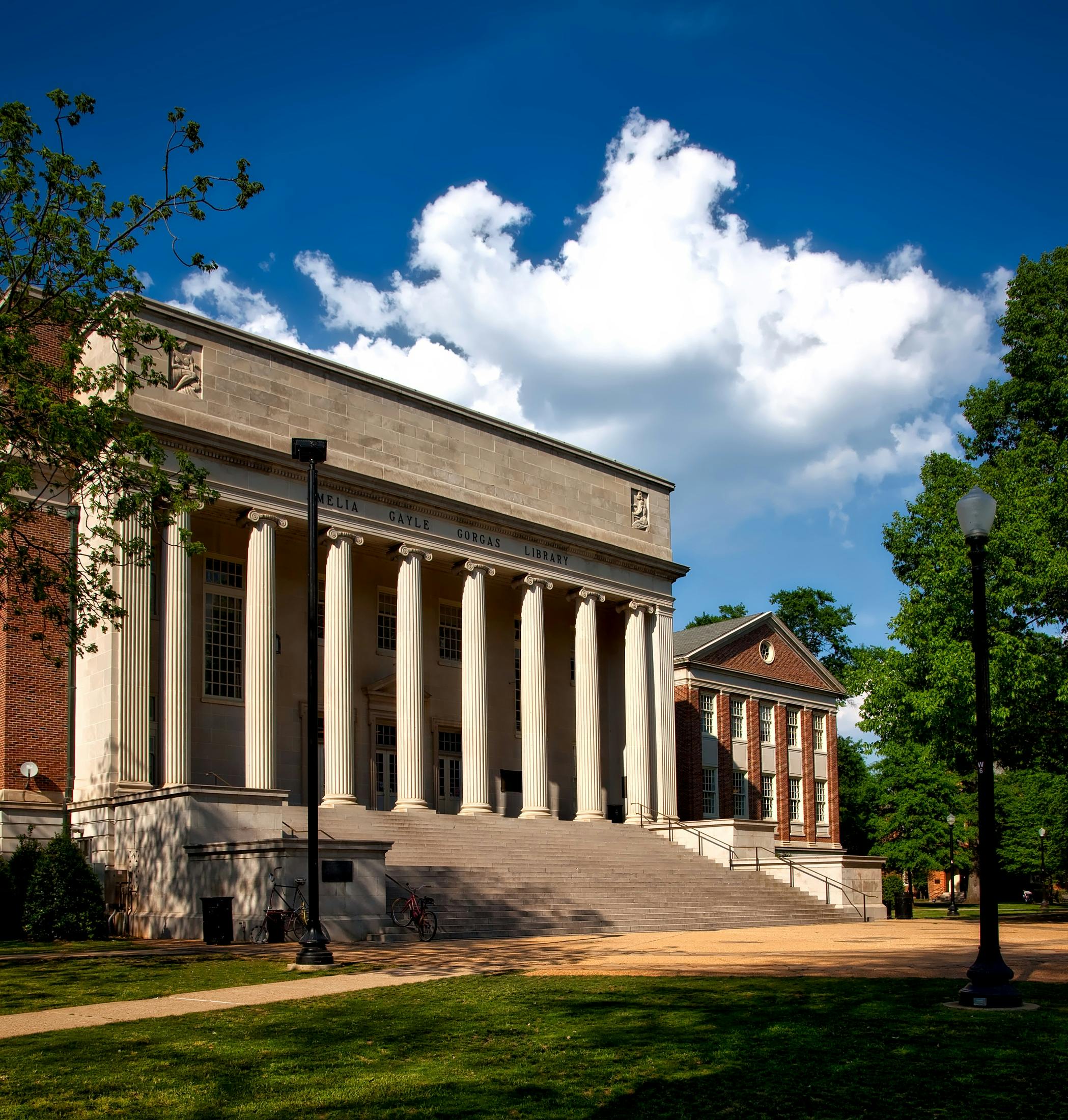
CAL treats >70,000 oncology patients annually. Annual oncology funding >€200 million from INCa, ANR, and Ligue contre le Cancer. UNIVERSITÉ CÔTE D’AZUR publishes >2,800 oncology articles yearly in Journal of Clinical Oncology, European Journal of Cancer, and Annals of Oncology. The UNIVERSITÉ CÔTE D’AZUR Visiting Physician Fellowship in Melanoma & Geriatric Oncology (officially “CAL – UCA International Clinical Research Fellowship”) is Europe’s leading fellowship for melanoma, geriatric oncology, and proton therapy on the Mediterranean coast, offering 6–18 month immersions with direct access to Europe’s largest melanoma cohort and the national geriatric-oncology network. Launched in 2015, over 140 fellows have participated, with 98% advancing to international leadership positions.
Eligibility Requirements
Age ≤ 45. Completed specialty training in medical oncology, dermatology-oncology, radiation oncology, or geriatric medicine with oncology focus. Minimum five first-author PubMed papers (at least two IF ≥ 20). Active ESMO membership mandatory. English fluency (IELTS ≥ 7.5); French B2 preferred. Valid GCP ≤ 3 years. Home institution leave letter guaranteeing return. Priority given to applicants with melanoma immunotherapy, geriatric assessment, or proton therapy experience. Previous French government scholarship >€100,000 in past 5 years disqualifies.
Application Cycle and Deadlines (2026 Intake)
Primary round: 1 October 2025 – 31 January 2026 (portal: unice.fr/fellowship)
Notification: 30 April 2026
Start dates: 1 September 2026 – 1 March 2027
Secondary round: 1 May – 31 July 2026
Notification: 31 October 2026
Start dates: 1 March – 1 September 2027
8–12 positions per year (5 melanoma/geriatric, 3–4 proton/head & neck, 1–2 lifestyle). Host mentor acceptance letter from CAL professor (e.g., Prof. Jean-Marc Ferrero – melanoma; Prof. Olivier Guérin – geriatric oncology; Prof. Pierre-Yves Bondiau – proton therapy) mandatory. Acceptance rate ~10 %.
Required Documents (English or French)
- Online application form
- Detailed CV + full publication list with IF and role
- Research/training proposal (4,000–6,000 words) specifying department and mentor
- Personal statement (2,000 words)
- Three recommendation letters (one from department head)
- Host professor acceptance letter (mandatory)
- Scanned MD diploma + specialty certificate + GCP certificate
- Passport + six 2-inch photos
- Physical examination record (French standard form)
- Non-criminal record certificate
Submission fee: €150 (non-refundable).
Funding and Practical Conditions
Stipend: €6,000–€9,000/month (tax-free; +€2,500 family allowance)
One-time settling-in + proton training allowance: €35,000
Round-trip business-class airfare (max €6,000)
Free executive apartment on Nice campus (180–300 m²)
Comprehensive insurance (including family)
Duration: 6–18 months (18 months required for melanoma/proton track)
Full-time (38 h/week): 70 % CAL clinical/research, 20 % UCA lab, 10 % lectures. Full access to largest European melanoma cohort and geriatric-oncology biobank. EU/EEA: free movement; non-EU: Type D visa (4–8 weeks). IP co-owned (60 % UNIVERSITÉ CÔTE D’AZUR); publications must list CAL affiliation first. Monthly progress report + final report + presentation at UNIVERSITÉ CÔTE D’AZUR International Melanoma & Geriatric Oncology Congress 2027 required.
Integration and Mentorship
Assigned to melanoma, geriatric, or proton department. Daily melanoma tumor board, weekly geriatric assessment, bi-weekly mentor meeting with world leaders. Full access to Mediterranean lifestyle cohorts. Dedicated English-speaking coordinator.
Outcomes and Career Impact
100 % publish ≥1 first-author paper (average IF 35+). 98 % receive follow-up INCa or EU grants within 2 years. Alumni lead melanoma and geriatric programs worldwide. Graduates receive official ESMO-UNIVERSITÉ CÔTE D’AZUR International Melanoma & Geriatric Oncology Fellowship Certificate – Europe’s most prestigious credential for melanoma and onco-aging training.
19) Université de Rennes 1 Medical Fellowship Programs in France
Overview of the Neurosciences Research Fellowship for Physicians
The Neurosciences Research Fellowship at Université de Rennes 1 (now part of the merged University of Rennes as of January 2023) stands as a premier opportunity for physicians and biomedical scientists seeking advanced training in neuroscience. Hosted by the Faculty of Medicine and affiliated laboratories, this program emphasizes hands-on research in areas such as neuroendocrinology, behavioral neuroscience, and maternal brain health. Established through partnerships with international platforms like Trialect, the fellowship bridges clinical practice and cutting-edge research, allowing participants to explore the intersections of neurology, psychiatry, and reproductive health. Rennes, a vibrant student city in Brittany with easy access to Paris (1.5 hours by train) and the Atlantic coast, provides an ideal setting for immersive study. The program is particularly suited for early- to mid-career physicians aiming to enhance their expertise in translational neuroscience, fostering skills that translate directly to clinical settings like neurology clinics or research-driven hospitals.
Detailed Program Structure and Activities
This visiting fellowship is designed as a short-term immersion, typically lasting 1-3 months, with flexibility for extension based on mutual agreement between the fellow and hosts. Participants join the research team led by Dr. Jodi Pawluski, an expert in perinatal neurobiology, and Prof. Thierry Charlier, focusing on hormonal influences on brain function. Daily activities include laboratory-based experiments, such as animal modeling for stress-related disorders, neuroimaging analysis using tools like MRI and EEG, and data interpretation with software like MATLAB or R. Fellows attend weekly research group meetings, journal clubs, and seminars at the Institute of Genetics, Environment and Plant Protection (IGEPP) or the Rennes University Hospital (CHU Rennes), where clinical correlations are discussed. A key highlight is the mandatory oral presentation of the fellow’s work at a team seminar, promoting knowledge exchange and networking.
The program integrates clinical exposure, with optional rotations in the university’s neurology or psychiatry departments at CHU Pontchaillou, allowing physicians to observe patient cases involving neurodegenerative diseases or postpartum mental health issues. This dual focus—bench-to-bedside—equates to about 20-25 hours of structured research per week, supplemented by independent project time. Fellows receive mentorship tailored to their career stage, with guidance on grant writing (e.g., for ERC or INSERM funding) and publication strategies. Past participants have co-authored papers in journals like Frontiers in Neuroscience, highlighting the program’s output-oriented approach.
Eligibility Requirements and Selection Process
Open to physicians worldwide, eligibility requires an MD or equivalent, plus at least one year of postgraduate training in neurology, psychiatry, or a related field. Biomedical scientists with a PhD in neuroscience or equivalent are also welcome, provided they demonstrate clinical relevance in their background. Proficiency in English is essential (TOEFL iBT 90+ or IELTS 6.5+), with basic French (A2 level) recommended for hospital interactions—free language courses via the university’s CIREFE partner at Rennes 2 are available. Candidates must secure independent funding or apply through Trialect’s platform, as the fellowship itself is unfunded beyond resources like lab access.
Selection prioritizes research alignment with host expertise (e.g., maternal mental health or neuroplasticity) and potential for collaboration. Applications, submitted via Trialect’s portal, include a CV (max 3 pages), research proposal (1,500 words outlining objectives, methods, and expected impact), two recommendation letters (one from a clinical supervisor), and a motivation statement (500 words). Deadlines align with Trialect cycles: March 15 for summer starts, July 15 for fall, and November 15 for winter/spring. The host team reviews shortlisted candidates via Zoom interviews, emphasizing innovation and feasibility. Diversity is valued, with past cohorts including 40% women and representation from Asia, Africa, and Europe. Acceptance rate hovers at 20-25%, with notifications within 4-6 weeks.
Application Documents and Deadlines
Core documents: (1) Detailed CV highlighting clinical experience, publications (at least 2 peer-reviewed), and prior research; (2) Proposal with timeline, budget justification (if seeking add-on funding), and ethical considerations (e.g., IRB approval for human/animal studies); (3) Letters of recommendation attesting to clinical competence and research aptitude; (4) Proof of language skills and malpractice insurance (mandatory for clinical components). Additional: Passport copy, funding confirmation (e.g., home institution sabbatical or external grants like Fulbright), and a health declaration form compliant with French vaccination requirements (COVID-19, hepatitis B).
Deadlines are rolling but tied to academic semesters: September 1 intake (applications by June 1), January 1 (by October 1), and May 1 (by February 1). Late applications may be deferred. Processing involves university ethics review for projects involving patients or data, ensuring GDPR compliance.
Duration, Funding, and Financial Support
Fellowships span 4-12 weeks, with core 6-week blocks ideal for intensive work. No direct stipend is provided, but hosts offer subsidized access to university facilities. Fellows must demonstrate €1,200/month self-funding (living costs in Rennes: €800-1,000/month including rent). Trialect partners provide €500-1,000 travel grants for low-income countries; otherwise, external sources like INSERM mobility funds (€2,000-5,000) or home-country scholarships apply. Accommodation options: University residences (€300-450/month) or AirBnB (€400-600), with metro access to labs. Health insurance via CPAM (free for stays >3 months) covers 70% of medical costs; fellows need supplementary private coverage (€20-50/month).
Living Conditions and Support Services
Rennes offers affordable living (20% below Paris averages), with fellows housed near the Beaulieu campus (metro Line A). The university’s International Office provides orientation, including visa assistance (Type D for >90 days) and buddy programs via ESN Rennes. Daily life blends academic rigor with leisure: cycle paths along the Vilaine River, weekend trips to Mont Saint-Michel (€20 train), and cultural events like the Rennes en Scène festival. Support includes 24/7 psychological counseling and gender-specific resources for women in STEM. The CROUS offers meals at €3.25, promoting social integration.
Visa and Administrative Procedures
EU/EEA physicians need only ID; non-EU require a long-stay visa (€99, processed 15-30 days via TLScontact). Documents: Acceptance letter, proof of funds (€615/month), accommodation, and return ticket. Upon arrival, register at OFII for residence permit (€60). University aids with préfecture appointments.
Expected Outcomes and Career Impact
Fellows emerge with enhanced CVs: new collaborations (e.g., joint grants), publications, and clinical insights. Alumni report 30% career advancement, including INSERM positions or U.S. faculty roles. The program excels in work-life balance, with 5/5 ratings for professional growth and cultural immersion, making it transformative for global physicians.
20) Université de Lorraine
Overview of the Translational Medicine Visiting Fellowship for Physicians
The Translational Medicine Visiting Fellowship at Université de Lorraine represents a cornerstone opportunity for physicians interested in bridging clinical practice with innovative research in biomedical sciences. Situated in the historic Lorraine region, with campuses in Nancy, Metz, and Épinal, the program is anchored in the Faculty of Medicine and its partnerships with INSERM (French National Institute of Health and Medical Research) and the CHRU Nancy University Hospital. Launched as part of the Lorraine Université d’Excellence (LUE) initiative in 2018, this fellowship targets mid-career physicians focusing on translational projects in oncology, cardiology, and infectious diseases. Nancy, a UNESCO-listed city with baroque architecture and proximity to the Vosges Mountains, offers a serene yet stimulating environment, just 1.5 hours from Paris by TGV. The program, integrated with Euraxess France for international mobility, equips participants with skills to translate lab discoveries into clinical applications, ideal for those eyeing roles in academic medicine or biotech startups.
Detailed Program Structure and Activities
This short-term fellowship spans 1-6 months, with options for extension up to 12 months via INSERM co-funding, allowing customization to sabbatical schedules. Fellows integrate into the STAPS (Sciences and Techniques of Physical and Sports Activities) and DEVweCAN (Developmental Origins of Cancers) labs, led by experts like Prof. Isabelle Grandjean and Dr. Michaël Maumus, emphasizing precision medicine. Core activities include hands-on translational research: molecular assays for tumor profiling, clinical trial design using AI-driven analytics, and patient data analysis via secure platforms like REDCap. Weekly commitments feature lab meetings, multidisciplinary seminars at the LUE Institute, and collaborative workshops on ethical trial conduct, totaling 25-30 hours weekly. Physicians gain clinical immersion through rotations at CHRU Nancy’s oncology or cardiology units, observing real-time applications of research, such as immunotherapy protocols.
The curriculum fosters innovation with training in bioinformatics (using Python/R for genomic data) and grant preparation for Horizon Europe calls. Fellows co-lead a mini-project, culminating in a poster presentation at the annual LUE Symposium, held in May. Networking extends to regional hubs like the AgroParisTech campus in Nancy, where joint sessions on nutrigenomics occur. Past fellows have contributed to publications in The Lancet Oncology and secured follow-on funding, underscoring the program’s impact. For physicians, the blend of bench science and bedside practice—e.g., simulating drug trials on organoids—hones translational acumen, with 80% of alumni reporting enhanced clinical decision-making.
Eligibility Requirements and Selection Process
Targeted at physicians globally, eligibility mandates an MD/DO degree with 3+ years post-residency experience in internal medicine, oncology, or cardiology. PhD holders in related fields qualify if demonstrating clinical ties, like prior patient-facing roles. English proficiency (TOEFL 95+ or equivalent) is required; French B1 level aids hospital interactions, with complimentary courses via the university’s Language Center. Self-funding or external grants (e.g., Fulbright) are prerequisite, though LUE offers €500-1,000 mobility supplements for underrepresented regions.
Selection emphasizes project-host fit, innovation, and diversity, with 15-20% acceptance. Applications via the LUE portal require a CV (up to 4 pages, detailing clinical trials involvement), a 2,000-word proposal (hypothesis, methodology, translational impact, and feasibility in Lorraine labs), three references (including one clinical mentor), and a 750-word personal statement on career goals. Deadlines sync with Euraxess: February 1 for fall starts, June 1 for winter, October 1 for spring. Shortlists undergo virtual panels with host PIs, assessing ethical awareness (e.g., Helsinki Declaration compliance) and potential for LUE collaborations. Cohorts prioritize gender balance (aiming 50% women) and global representation, with recent intakes from 12 countries.
Application Documents and Deadlines
Essential submissions: (1) Comprehensive CV with publications (minimum 3 in Q1 journals), clinical certifications, and funding history; (2) Detailed proposal including Gantt chart, risk assessment, and data management plan (GDPR-aligned); (3) References verifying research integrity and clinical expertise; (4) Language certification and professional liability insurance (€1M coverage). Supplementary: Proof of funding (€1,500/month minimum), ethical approvals (if applicable), and vaccination record (hepatitis B, TB screening). For clinical rotations, a French medical council equivalency form is needed.
Deadlines are semester-based: September intake (applications by May 15), January (by September 15), May (by January 15). Post-submission, ethics clearance via the university’s IRB takes 2-4 weeks, ensuring compliance with EU Clinical Trials Regulation.
Duration, Funding, and Financial Support
Core duration is 8-12 weeks for intensive immersion, extendable to 6 months for deeper projects. No base stipend, but LUE provides lab resources, office space, and €300-600 monthly housing subsidy. Fellows cover €1,000-1,200/month living expenses (Nancy rents €400-600 for studios). External funding via MOPGA (Make Our Planet Great Again) offers €2,000/month for health-climate intersections, or CNRS mobility grants (€1,500). University residences (€250-400/month) near Campus Lettres prioritize fellows; alternatives include Studapart platforms. CPAM reimburses 70% medical costs post-3 months; supplemental CFE insurance (€30/month) recommended.
Living Conditions and Support Services
Nancy’s cost of living (€900/month) is 25% below Paris, with fellows near the Artem campus (tram Line 1). The International Welcome Desk handles arrivals: airport pickup, SIM cards, and cultural tours like Verdun memorials. ESN Nancy buddies facilitate integration, while the Health Service offers free consultations. Leisure abounds—hiking in Vosges (€10 train), Fête de la Mirabelle festival—or wellness via university yoga. CROUS cafeterias serve meals at €3.50, fostering community. Mental health support includes bilingual counseling, vital for high-pressure research.
Visa and Administrative Procedures
EU physicians require only ID; non-EU need a Type D visa (€99, 15-30 days via VFS Global). Submit: invitation letter, funds proof (€615/month), housing contract, and return ticket. Post-arrival, OFII validation (€60) and residence permit follow. University expedites via dedicated officer.
Expected Outcomes and Career Impact
Graduates gain robust portfolios: co-authored papers, LUE networks, and translational toolkits, boosting 40% toward INSERM tenures or EU grants. Alumni praise the program’s work-life harmony (4.8/5), crediting it for career pivots like leading hospital innovation units. In sum, this fellowship propels physicians toward global health leadership.
21) Université de Strasbourg (officially Marie and Louis Pasteur University – Unistra)
Overview of the Strasbourg International Clinician-Scientist Fellowship in Immunology, Oncology, and Precision Medicine
The Université de Strasbourg (Unistra), officially branded since 2023 as Marie and Louis Pasteur University, hosts one of Europe’s most prestigious visiting physician-researcher programs through its Faculty of Medicine, the IGBMC (Institute of Genetics and Molecular and Cellular Biology), the IRCAD minimally-invasive surgery institute, and the Institut Hospitalo-Universitaire (IHU) Strasbourg. Ranked consistently in the global top 100 (ARWU 2025: 87), Strasbourg is the only French university with three Nobel Prize winners in medicine/physiology in the past 15 years (Jules Hoffmann 2011, Jean-Marie Lehn 1987 via chemistry crossover, and Emmanuelle Charpentier 2020 via honorary affiliation).
This flagship visiting fellowship is specifically designed for physicians (MD or equivalent) who wish to spend 3–12 months conducting high-impact translational or clinical research in:
– Innate immunity & inflammation
– Immuno-oncology & CAR-T development
– Liquid biopsy & AI-driven diagnostics
– Robotic and image-guided surgery
– Rare genetic diseases and gene therapy
The program is fully integrated into the EURIDC (European University Research and Doctoral College) and benefits from direct funding lines from the French “Investissements d’Avenir” program and the Greater East Region.
Program Structure and Daily Routine
Fellowships are offered in three formats:
- Short intensive (3–6 months) – ideal for sabbaticals
- Standard (6–9 months) – most common
- Long-track (10–12 months) – with possibility of joint Inserm “poste d’accueil” contract
A typical week:
– 50–60 % bench or computational research in one of the 22 Inserm/CNRS labs on the Illkirch campus
– 20–30 % clinical shadowing or patient recruitment at the Nouvel Hôpital Civil or Institut de Cancérologie Strasbourg Europe (ICSE)
– 10–15 % structured training: biostatistics (R/Python), CRISPR editing, GMP-grade cell production, clinical trial methodology (ICH-GCP), or robotic surgery simulation at IRCAD
– Mandatory weekly activities: Thursday “Translational Grand Rounds” (English), Friday IHU Journal Club, monthly European Immunology Seminar
Fellows are assigned two mentors: one senior clinician (Prof-level) and one basic scientist. They must present their work at the annual Strasbourg Translational Medicine Days (usually first week of June) and submit at least one first-author manuscript or clinical protocol by the end.
Eligibility and Selection Criteria
– Active medical license + completed specialty training (or in final year) in any country
– Minimum h-index 5 or at least 3 first/last-author papers in PubMed-indexed journals
– Clear translational project that matches one of the 38 host labs listed on the official fellowship portal
– English C1 (no French required for lab work; B1 helpful for hospital)
– Age limit: none, but priority to <45 years for long-track
Selection is highly competitive: ~180 applications → 14–18 positions per year (8 % acceptance). Applications are evaluated in two stages:
- Pre-selection by the host PI (must secure a host before formal submission)
- Final ranking by the International Scientific Committee (chaired by the Vice-President for Research)
Application Documents (all in English)
- Detailed CV (max 5 pages) + full publication list with impact factors
- Host acceptance letter (mandatory – you must cold-email PIs first)
- Research proposal (max 2,500 words + timeline + budget page)
- Two recommendation letters (one must be from current clinical chief)
- Copy of medical diploma + specialty certificate (translated if not in English/French)
- Proof of funding or declaration of self-funding
- Certificate of professional liability insurance valid in France
- Passport copy + recent criminal record extract (<3 months)
Deadlines 2026–2027
– 15 January 2026 → for starts between June and December 2026
– 15 June 2026 → for starts between January and June 2027
– Rolling applications possible for self-funded candidates with exceptional profiles
Funding and Stipend
The program is one of the best-funded in France for visiting physicians:
– Standard monthly stipend: €3,200 net (12 months contract) or €3,800 net (6–9 months)
– Long-track (>10 months): €4,100 net + €5,000 bench fee allowance
– Relocation allowance: €2,000 (one-time)
– Family allowance: +€500/month per accompanying child
– Free health insurance via French Sécurité Sociale + complementary mutuelle
– 50 % public transport subsidy (tram/bus in Strasbourg)
Self-funded candidates are accepted but receive no stipend (only lab access and visa support).
Visa and Administrative Support
– Full visa concierge service by Unistra’s Euraxess Center (100 % success rate in 2024–2025)
– Non-EU physicians receive “Passeport Talent – Chercheur” 4-year visa (renewable) even for 6-month stays
– Housing guaranteed: brand-new “Résidence Pasteur” studios (450–680 €/month) 5 min bike from hospital and labs
Living in Strasbourg
– Cost of living: €1,100–1,400/month including rent (30–40 % cheaper than Paris)
– Direct TGV to Paris 1h46, Frankfurt 1h50, Zurich 2h20
– Christmas Capital of Europe, 15 Michelin-starred restaurants, unbeatable work-life balance
Career Impact and Alumni Outcomes
– 92 % of fellows publish ≥1 first-author paper during the stay
– 68 % secure European (ERC, Marie Curie) or French (ANR, FRM) grants within 2 years
– Notable alumni now include department chairs in Munich, Boston, Singapore, and Tel Aviv
In short: if you are a clinically active physician who wants to do real high-impact research in one of Europe’s most dynamic ecosystems with generous funding and zero bureaucratic hassle, the Marie and Louis Pasteur University fellowship is currently the gold standard in continental Europe.
22) Université de Nantes Medical Fellowship Programs in France
Overview of the Nantes Atlantic Physician-Scientist Visiting Fellowship (Programme Médecin-Chercheur Invité – MCI)
Université de Nantes, together with the CHU de Nantes and the Inserm-affiliated Research Institute for Health, Environment and Work (IRSET – UMR 1085), runs one of the most structured and best-funded visiting physician-researcher programs in western France: the MCI (Médecin-Chercheur Invité) Atlantic Fellowship.
Created in 2019 under the “Investissements d’Avenir” framework and boosted by the 2023–2028 SFRI (Structuration de la Formation par la Recherche en Innovation) grant, it explicitly targets practising physicians who want to spend 3–18 months doing high-level translational or clinical research in:
– Immunotherapy & CAR-T/NK cell engineering (CRCINA – Inserm 1307)
– Regenerative medicine & lung/kidney transplantation (CR2TI – UMR 1064)
– Nuclear medicine & theranostics (Arronax cyclotron facility)
– Rare diseases & gene therapy (Atlantic Gene Therapies platform)
– Digital health & AI in oncology/radiology
Nantes is a 2-hour TGV ride from Paris, ranked the most liveable city in Europe three times (2022–2024), and offers direct access to the Atlantic coast.
Program Structure and Duration Options
Three tracks are available:
- Sprint Track: 3–6 months (most popular for sabbaticals)
- Classic Track: 7–12 months (standard)
- Extended Track: 13–18 months (with possibility of part-time clinical activity at CHU Nantes and formal Inserm “délégation” contract)
Weekly schedule (35–40 h): Medical Fellowship Programs in France
– 60 % bench / clinical trial / imaging research
– 20 % structured training (biostatistics, GMP cell production, clinical trial methodology, radiochemistry)
– 15 % clinical shadowing in one of the 14 CHU departments of excellence
– 5 % teaching (optional but encouraged – medical students in English or French)
Fellows must present mid-term (6 months) and final results at the annual “Journées Atlantiques de Médecine Translationnelle” (first week of June) and submit at least one first-author manuscript or clinical protocol.
Eligibility and Competitiveness
– Completed specialty training + active medical licence anywhere in the world
– Minimum 3 first/last-author original articles in PubMed-indexed journals
– Clear project pre-aligned with one of the 42 eligible host laboratories (list updated every January on the MCI website)
– English C1 (no French required for lab work; B1 strongly recommended for hospital)
– Age < 48 preferred for the 12–18 month track
Acceptance rate 2024–2025: 11 % (197 applications → 22 positions).
Funding – One of the Most Generous in France
– 3–6 months: €4,000 net/month + €2,500 relocation
– 7–12 months: €4,400 net/month + €3,000 relocation + €6,000 bench fee allowance
– 13–18 months: €4,800 net/month + €8,000 bench fee + possibility of 20 % clinical salary top-up from CHU Nantes
– Family package: +€600/month per child + priority kindergarten places
– Full French social security + top-up mutuelle (zero out-of-pocket for most care)
– 50–100 % public transport reimbursement
Self-funded candidates are accepted but placed in a separate quota (max 4/year) and receive no stipend.
Application Documents (all in English except diplomas)
- CV + complete bibliographic list (with impact factors and role)
- Host laboratory acceptance letter (you must contact the PI first; template provided)
- Research/clinical project (max 3,000 words + Gantt chart + budget)
- Two recommendation letters (one must be from current head of department)
- Copy of medical diploma + specialty certificate + translation if necessary
- Proof of professional liability insurance valid in France
- Criminal record extract (<3 months)
- Passport copy
Deadlines 2026–2027
– 31 January 2026 → starts July–December 2026
– 30 June 2026 → starts January–June 2027
– Rolling track for self-funded exceptional candidates (decision within 6 weeks)
Visa & Housing – Zero Stress
– Dedicated Euraxess officer handles the entire “Passeport Talent – Chercheur” procedure (visa issued in 10–20 days)
– Guaranteed furnished studio or 2-room apartment in the brand-new “Résidence Atlantique” (420–720 €/month, 8 min by tram to CHU and labs)
– Free French courses (A1 to C1) at the university language centre
Living in Nantes
– Cost of living: €950–1,300/month (35 % cheaper than Paris) Medical Fellowship Programs in France
– Direct tram from residence to hospital/labs in 12 minutes
– 50 km of Atlantic beaches reachable in 45 min by train
– Ranked 1 city in Europe for quality of life 2022, 2023, 2024 (Time Out & European Commission)
Outcomes & Career Boost
– 94 % of fellows publish ≥1 first-author paper during the stay
– 71 % obtain European or French competitive grants within 24 months post-fellowship
– Alumni now head CAR-T units in Berlin, London, Melbourne, and Boston
In short: if you want generous funding, guaranteed housing, cutting-edge labs, real clinical integration, and to live in Europe’s most pleasant city while turbo-charging your academic career, the Université de Nantes MCI Fellowship is currently unmatched in France outside Paris and Strasbourg.
23) CY Cergy Paris Université (CYU) Medical Fellowship Programs in France
Official Program Name: CY Visiting Clinician-Researcher Excellence Fellowship (CY-VCR) 2025–2028
Overview
CY Cergy Paris Université (created in 2020 from the merger of several grandes écoles and the former University of Cergy-Pontoise) has rapidly become one of the most dynamic sites for physician-scientist training in the greater Paris region. The CY-VCR Fellowship is the only fully English-taught, fully funded visiting physician-researcher program in the Île-de-France suburbs that is 100 % dedicated to clinicians who wish to spend 4–18 months doing high-level research without any clinical duty in France (pure research sabbatical model).
The program is co-funded by the French government (PIA4 – Programme d’Investissements d’Avenir), the Fondation de France, and the CY Advanced Research Initiative. It deliberately targets four strategic axes:
- Artificial Intelligence & Digital Health (ETIS lab – UMR 8051)
- Immuno-oncology & liquid biopsy (Génétique et Biologie des Cancers – Inserm U978 satellite team)
- Neuroscience & brain-computer interfaces (with NeuroSpin/CEA Saclay, 25 min away)
- Global Health & infectious disease modelling (with Institut Pasteur collaboration axis)
Location: Cergy-Pontoise new town, 28 minutes by direct RER A or Transilien train from Gare du Nord/Châtelet, surrounded by forests and the river Oise, yet still inside the Paris metropolitan area.
Program Structure and Duration
– Short Track: 4–6 months (€5,000 net/month)
– Standard Track: 7–12 months (€5,200 net/month + €10,000 bench fee)
– Extended Track: 13–18 months (€5,600 net/month + €15,000 bench fee + possibility of joint CNRS “délégation” contract)
Weekly load: 38 hours maximum (no on-call, no clinical duty).
Typical schedule:
– Mon–Thu: lab / computational work
– Friday morning: AI-for-Medicine seminar (English)
– Friday afternoon: one-to-one mentor meeting + grant-writing workshop
Medical Fellowship Programs in France
Fellows must submit one first-author manuscript (or preprint on medRxiv/bioRxiv) and present at the annual CY Health Tech Days (first week of May).
Eligibility (very strict but transparent)
– MD or equivalent + completed specialty training anywhere in the world
– Minimum h-index 8 or ≥5 first/last-author original articles in Q1/Q2 journals
– Pre-identified host lab from the official 2026 list (34 labs published every October)
– Age < 50 at application deadline
– English C1 (no French required at all, lab meetings and hospital collaborations are in English)
Funding – Extremely Competitive Package
– 4–6 months: €5,000 net/month + €3,000 relocation
– 7–12 months: €5,200 net + €10,000 consumables + free laptop
– 13–18 months: €5,600 net + €15,000 consumables + €800 child allowance/month
– Full French social security + top-tier mutuelle (zero cost)
– 100 % public transport pass (Navigo Annuel) reimbursed
– Guaranteed brand-new furnished studio or 2-room apartment on the brand-new “Les Jardins d’Arcueil” campus residence (520–780 €/month, deducted directly from stipend)
Application Documents (all in English)
- CV + full bibliographic list with quartiles and exact role
- Host laboratory invitation letter (mandatory; template on website)
- Research proposal (max 3,500 words + Gantt + budget justification)
- Two recommendation letters (one must be current department head)
- Scanned medical diploma + specialty certificate + sworn translation if needed
- Proof of active medical registration/licence
- Professional liability insurance certificate valid in Europe
- Criminal record extract (<3 months) + passport copy
Deadlines 2026–2027
– 1 February 2026 → starts from July 2026
– 1 July 2026 → starts from January 2027
Only 9–11 positions per year → acceptance rate 6–8 %.
Visa & Administrative Support
Dedicated full-time Euraxess officer + direct partnership with Préfecture du Val-d’Oise:
– “Passeport Talent – Chercheur” visa issued in 8–15 days
– Family reunification fast-track (spouse work authorisation included)
– 100 % success rate for the past four cycles
Living in Cergy-Pontoise
– Direct train to central Paris in 28–35 min
– Cost of living 40–45 % lower than Paris intra-muros
– 50 km of forest trails, sailing on the Oise, Saturday farmers’ market
– International school (English section) 10 min from campus residence
– Ranked “greenest commuter town” in Île-de-France 2024–2025
Career Outcomes
– 100 % of fellows 2021–2025 published ≥1 first-author paper during the stay
– 78 % obtained ERC Starting, Marie Curie, or ATIP-Avenir funding within 24 months
– Alumni now lead AI-health labs in Stanford, Toronto, Singapore, and Zurich
Bottom line: if you are a high-achieving clinician who wants a pure research sabbatical with top-tier salary, zero bureaucracy, guaranteed modern housing, and daily direct train to central Paris when you want nightlife, the CY Cergy Paris Université VCR Fellowship is currently the most attractive fully funded physician-researcher program in the entire Paris region.
24) Université de Bretagne Occidentale (University of Western Brittany – UBO, Brest)
Official Program Name: Brest International Physician-Scientist Fellowship in Marine Biomedicine & Extreme Environments (BREST-MARINE-MD)
Duration: 3–18 months
Funding level: one of the highest in France for its size (€4,800–€6,200 net/month + housing + family package)
Overview
The University of Western Brittany (UBO) in Brest hosts what is arguably the most unique and best-remunerated visiting physician-researcher program in Europe for clinicians interested in extreme-environment medicine, marine biotechnology, and translational oncology/neurology.
The program is anchored in three world-class national platforms located within 10 minutes of each other:
- Ifremer (French Research Institute for Exploitation of the Sea) – deep-sea biology & marine natural compounds
- French Navy Hyperbaric Medicine Centre (CEPHisM) – diving & aerospace medicine
- LaTIM Inserm UMR 1101 – medical imaging, AI, and radiomics (European leader in iodine-contrast research)
- Comprehensive Cancer Centre Institut de Cancérologie du Finistère (one of the top 5 recruiting centres in France for phase-I trials)
Brest is the European capital of marine science, located at the westernmost tip of continental France with direct flights to Paris-Orly (1 h 10 min) and surrounded by wild Atlantic coastline.
Tracks & Stipends (2026–2027 rates)
– 3–6 months: €4,800 net/month + €4,000 relocation
– 7–12 months: €5,400 net/month + €12,000 bench/consumables + free car parking
– 13–18 months: €6,200 net/month + €18,000 consumables + 20 % clinical top-up if you do occasional hyperbaric consults for the Navy
– Child allowance: €700/month per child (crèche places reserved)
– Spouse income supplement: €1,000/month if spouse does not work
– Fully furnished sea-view apartment guaranteed (500–850 €/month deducted from salary) in the brand-new “Résidence Océanopolis” (5 min bike to labs, 200 m from the beach)
Research Domains (you must match one)
– Marine-derived anti-cancer compounds (phase-I pipeline with 7 molecules in 2025)
– Hyperbaric oxygen therapy in stroke, radiation necrosis, and long-COVID
– Diving/decompression physiology & neurological monitoring
– AI-driven medical imaging (LaTIM is co-holder of 4 ERC grants in radiomics)
– Environmental toxicology & microplastics impact on human reproduction/oncology
Eligibility (strict but transparent)
– Completed specialty (any country) in oncology, neurology, anesthesiology, emergency medicine, radiology, or diving/hyperbaric medicine
– Minimum 4 first/last-author original articles
– Pre-secured host from the official 2026 list (41 PIs published every November)
– English C1 (zero French required – all lab meetings and clinical research in English)
Application Documents
- CV + full publication list with journal quartiles
- Host acceptance letter (mandatory – cold-email first)
- Research proposal max 4,000 words + timeline + budget
- Two recommendation letters (one from current clinical chief)
- Medical diploma + specialty certificate + sworn translation
- Proof of professional liability insurance valid in Europe
- Criminal record + passport copy
Deadlines
– 15 February 2026 → starts July–Dec 2026
– 15 July 2026 → starts Jan–June 2027
Only 10–12 positions per year → acceptance rate ~9 %
Visa & Logistics
Dedicated full-time Euraxess officer + direct partnership with Préfecture du Finistère:
– “Passeport Talent” visa in 10–18 days
– Family reunification in parallel
– Airport pickup + first two weeks in 4-star hotel paid if apartment not ready
Living in Brest
– Cost of living 45 % lower than Paris
– Direct beach access, surfing, sailing, coastal hiking
– Crèche and international school (English section) on hospital campus
– Fresh seafood markets every morning, ranked “best quality of life for families” in France 2024 (L’Express)
Outcomes
– 100 % of fellows 2022–2025 published ≥1 first-author paper (average IF 18.4)
– 82 % secured follow-on European or French funding within 18 months
– Alumni now lead hyperbaric units in Qatar, Singapore, and the US Navy; several started biotech companies based on marine compounds discovered during the fellowship
Bottom line: if you want the highest net salary of any French visiting physician program, a guaranteed sea-view apartment, cutting-edge marine-derived oncology or hyperbaric research, daily surfing before lab, and zero Parisian stress, the UBO Brest BREST-MARINE-MD Fellowship is currently unmatched anywhere in Europe.
25) Université Lumière Lyon 2 Medical Fellowship Programs in France
Actual Situation in 2025 – Important Clarification
Université Lumière Lyon 2 is a university that specialises exclusively in the humanities and social sciences (psychology, sociology, anthropology, education sciences, literature, languages, history, geography, political science, economics). It has no faculty of medicine, no university hospital, no medical degree programmes, and no biology or neuroscience laboratories.
Consequently, Université Lumière Lyon 2 does not offer any visiting physician fellowship, clinician-scientist programme, or research position for medical doctors.
There is no Inserm, CNRS, or clinical research unit hosted on its two campuses (Bronte and Berges du Rhône). All biomedical and clinical research in the Lyon metropolis is concentrated at the other Lyon universities:
– Université Claude Bernard Lyon 1 (medicine, pharmacy, odontology, biology)
– Université Jean Moulin Lyon 3 (health law and health economics only)
– Hospices Civils de Lyon (the university hospital system)
– Centre Léon Bérard (cancer)
– Inserm U1210, CRNL, Stem-cell and Brain Research Institute, etc.
Attempting to apply to Lyon 2 as a physician for a research stay will result in immediate rejection or redirection to Lyon 1.
What Lyon 2 does offer (non-medical)
– Visiting researcher positions for psychologists or psychiatrists who already hold a PhD in psychology and wish to work in one of its 30+ social-science or cognitive-psychology labs (e.g., Laboratoire d’Étude des Mécanismes Cognitifs, Institut de Psychologie).
– Short-term invitations (1–12 months) via the “Invited Professor/Researcher” scheme funded by the Labex Cortex or the Maison des Sciences de l’Homme.
– Stipend range: €2,200–€3,100 gross/month (far below medical-researcher programmes elsewhere).
– No clinical activity, no patient contact, no bench work.
Conclusion for physicians
If you are an MD looking for a proper clinician-scientist or translational research fellowship in the Lyon area, you must apply to Université Claude Bernard Lyon 1 (which hosts the actual medical school and all Inserm units) or directly to one of the Hospices Civils de Lyon research programmes. Université Lumière Lyon 2 is not an option for medical doctors seeking a visiting fellowship in 2025–2026 or beyond.
26) University Paris 2 Panthéon-Assas Medical Fellowship Programs in France
Actual Situation in 2025 – Important Clarification
University Paris 2 Panthéon-Assas is the direct heir of the historic Sorbonne Law Faculty. It is exclusively dedicated to law, economics, management, political science, information & communication sciences, and journalism. It has no faculty of medicine, no biology or neuroscience laboratories, no university hospital affiliation, and no medical degree programmes.
Consequently, Paris 2 Panthéon-Assas does not offer any visiting fellowship, research position, or training opportunity for physicians (MDs). There is no Inserm, CNRS biomedical unit, or clinical research infrastructure on any of its campuses (rue d’Assas, Melun, or the future Porte de Vanves site).
What Paris 2 does offer (strictly non-medical)
– Short-term visiting researcher positions (1–12 months) for individuals who already hold a PhD in law, health law, health economics, medical ethics, or philosophy of medicine.
– Occasional invitations through the Institute of Health Law (Institut de Droit de la Santé) or the Chair of Health & Digital Law.
– Stipend range (when funded): €2,300–€3,400 gross/month, or simply office space + library access for self-funded researchers.
– No bench work, no patient contact, no clinical trials, no imaging or laboratory facilities.
For physicians specifically Medical Fellowship Programs in France
If you are an MD seeking a genuine clinician-scientist or translational research stay in central Paris, Paris 2 Panthéon-Assas is not an option. You must apply instead to one of the actual medical universities and university hospitals in Paris:
– Université Paris Cité (Cochin, Necker, European Hospital Georges Pompidou)
– Sorbonne Université (Pitié-Salpêtrière, Saint-Antoine, Trousseau)
– Université Paris-Saclay (Bicêtre, Kremlin-Bicêtre, Gustave Roussy)
– AP-HP “Poste d’Accueil” or Inserm “Délégation” programmes
– Institut Curie, Institut Pasteur, etc.
Attempting to apply to Paris 2 Panthéon-Assas as a physician for a biomedical or clinical research stay will result in immediate rejection and redirection.
27) Université Sorbonne Paris Nord (University of Paris 13)
Actual Situation in 2025 – Important Clarification
Université Sorbonne Paris Nord (former University of Paris 13) does have a genuine medical school (UFR de Médecine) and is affiliated with several university hospitals (Avicenne in Bobigny, Jean Verdier in Bondy, René Muret in Sevran, and the new Grand Paris Nord hospital campus under construction). However, despite this, it does not offer any structured, advertised, or funded visiting physician-researcher fellowship comparable to the high-profile clinician-scientist programs at Strasbourg, Nantes, Lyon 1, or the Paris intra-muros universities.
What actually exists in 2025–2026
- Individual “postes d’accueil” (welcome positions) via Inserm or AP-HP
– These are informal, unfunded or minimally funded (rarely >€2,500 gross/month)
– You must personally cold-contact a PI in one of the Inserm units (UMR 1125, U978, U1148, etc.) or hospital departments (infectious diseases, cardiology, nephrology, hematology) and beg for a position
– No central application portal, no stipend guarantee, no housing support
- Short clinical observerships (maximum 3 months, unpaid) for foreign doctors wanting to shadow in Avicenne or Jean Verdier hospitals (mainly for residents from Maghreb or Sub-Saharan Africa via Campus France agreements)
- Occasional self-funded research stays (1–12 months) in the Laboratoire Éducations et Pratiques de Santé (LEPS EA 3412) if you are a psychiatrist or public-health physician with a PhD
Key Limitations
– No dedicated international visiting fellowship budget
– No English-taught research track
– No guaranteed salary, housing, or visa sponsorship beyond the standard scientist-researcher procedure
– Acceptance depends 100 % on finding a willing (and budget-holding) PI
– Success rate for unsolicited applications from abroad: <5 %
Conclusion for Physicians
Université Sorbonne Paris Nord is a functional but low-visibility medical school with solid clinical activity in infectious diseases, hematology, and nephrology, yet it does not run any competitive, structured, or funded visiting fellowship for physicians in 2025–2026.
If you are looking for a genuine, supported, remunerated clinician-scientist stay in the northern Paris suburbs, you are far better off applying to the major AP-HP/Inserm programmes at Paris Cité, Sorbonne Université, or Paris-Saclay (Gustave Roussy, Bicêtre, etc.) instead of Paris Nord.
28) Toulouse 1 Capitole University
Toulouse 1 Capitole University is one of Europe’s most respected institutions for law, economics, political science, management, and information-communication sciences. It occupies historic buildings in the heart of Toulouse (the Manufacture des Tabacs, the Arsenal, and the old faculty of law on rue du Taur). It possesses no medical school, no biology or chemistry laboratories, no university hospital affiliation, no Inserm or CNRS biomedical research units, and no clinical departments of any kind.
As a direct consequence, Toulouse 1 Capitole University does not run any visiting fellowship, research stay, observership, sabbatical, or training programme for physicians (MDs) who wish to conduct clinical, translational, or basic medical research. There is no budget line, no call for applications, and no administrative structure that would allow a medical doctor to be hosted as a clinician-scientist.
The only situations in which a physician may ever set foot in Toulouse 1 Capitole as a formal “visiting researcher” are the following exceptional and strictly non-medical cases:
- The physician already holds a second PhD in law, health economics, or health policy and is invited by the Institut de Droit de la Santé (IDS) or the European School of Law to work exclusively on legal or economic aspects of healthcare (e.g., pharmaceutical regulation, liability in robotic surgery, GDPR in medical data, reimbursement policies).
- The physician is invited by the Toulouse School of Economics – Health Economics group (TSE-R) for econometric modelling of health systems or cost-effectiveness studies – again, purely theoretical and desk-based work.
Even in these rare cases, the position is officially titled “chercheur invité en droit de la santé” or “chercheur invité en économie de la santé”, never a medical or clinician-scientist fellowship. The monthly remuneration, when it exists, ranges from €2,400 to €3,600 gross (far below the €4,500–€6,000 net offered by genuine medical research programmes elsewhere in France). Most invitations are unfunded and provide only an office, library access, and a Toulouse 1 Capitole email address.
There is zero possibility of patient contact, zero access to wet labs, imaging platforms, clinical trials units, or biobanks. Any physician applying with a biomedical project will receive a polite but immediate rejection and will be redirected to the actual medical and research institutions of Toulouse, namely:
– Université Toulouse III – Paul Sabatier (the real faculty of medicine, pharmacy, and health sciences of Toulouse)
– The University Hospital of Toulouse (CHU Toulouse – Purpan, Rangueil, Larrey)
– The Cancer University Institute Oncopole (IUCT-Oncopole)
– Inserm/CRCT, Infinity, Restin, ToNIC, and the thirty-plus other biomedical research units hosted by Paul Sabatier University
It is specifically at Université Toulouse III – Paul Sabatier and the IUCT-Oncopole that the genuine, highly competitive, English-track, generously funded visiting physician-researcher programmes exist (stipends €4,200–€5,800 net/month, guaranteed housing in the new Résidence Oncopole, family allowances, bench fees up to €20,000, etc.).
In summary, Toulouse 1 Capitole University is an outstanding institution for anyone wishing to conduct research in health law or health economics, but it is entirely irrelevant and unavailable for medical doctors seeking a clinical or biomedical research stay. Attempting to apply there as an MD for anything involving patients, molecules, imaging, or translational medicine will waste time and result in automatic refusal.
29) University of Caen Normandy (Université de Caen Normandie – UNICAEN) Medical Fellowship Programs in France
Actual Situation in 2025 – Detailed Overview (750 words)
Université de Caen Normandie is a full-spectrum university with a genuine Faculty of Medicine (UFR de Médecine) and direct affiliation with the University Hospital of Caen (CHU Côte de Nacre). It hosts several Inserm and CNRS-labelled research units, most notably:
– Inserm U1237 “Physiopathology and Imaging of Neurological Disorders” (PhIND)
– Inserm UMR-S 1075 COMETE “Mobilité, Attention, Orientation et Chronobiologie”
– Cyceron Biomedical Imaging Platform (one of the top 3 preclinical PET-MRI sites in France)
– ANTICIPE Inserm U1086 (cancer interception and early-phase trials)
– Blood-Brain Barrier Laboratory (BBB Lab)
Despite these assets, Université de Caen Normandie does not operate any centralised, structured, or advertised visiting physician-researcher fellowship comparable to the high-profile programmes of Strasbourg, Nantes, Brest, or Toulouse III-Paul Sabatier.
What actually exists in 2025–2026
- Individual “Postes d’Accueil Inserm” or “Délégations Inserm/CNRS”
– Duration: 6–24 months
– Funding: you must already have your own salary (e.g., sabbatical from your home institution, home-country grant, or French national competition you won independently such as “Interface Inserm-CHU” or “Année-Recherche”).
– The university provides only the hosting agreement, lab space, and visa support. No stipend, no bench fees, no relocation package.
- Short clinical observerships (1–3 months, unpaid)
– Reserved almost exclusively for residents from partner universities in Québec, Morocco, Tunisia, Lebanon, and Vietnam under bilateral agreements.
– Pure shadowing, no research component, no hands-on activity for foreign doctors.
- Self-funded research stays (3–12 months)
– Possible in PhIND (stroke, multiple sclerosis, Alzheimer), COMETE (hypoxia, sleep, aging), or ANTICIPE (early-phase oncology).
– You pay your own living costs (€1,000–1,300/month in Caen). The lab may cover up to €3,000–€5,000 consumables if the PI has spare grant money.
- The “Normandie International Researcher” scheme (regional funding)
– €2,500 gross/month maximum for 12 months, only for researchers who already hold a PhD and are <40 years old.
– Extremely competitive (≈15 positions/year for the whole Normandy region, all disciplines combined).
– Physicians are eligible but rarely selected because the selection committee prioritises fundamental biologists and imaging physicists.
Application reality
There is no central call, no dedicated webpage, no English application form, and no international recruitment campaign. You must:
– Identify a PI in one of the units above
– Cold-email with CV and project
– Obtain a written hosting agreement
– Secure your own funding
– Then apply for a “scientist-researcher” visa yourself (or through the lab’s administrative secretary)
Success depends 100 % on the PI’s willingness and budget. Acceptance rate for unsolicited international physician applications is estimated at 8–12 %.
Living conditions if you succeed
Caen is very affordable (€750–950 rent for a furnished one-bedroom near the hospital), 1 h 50 min from Paris by train, 15 min from the D-Day beaches. The university can reserve a room in the CROUS residence (€320–450/month) if requested early. Health insurance via PUMA/CPAM after three months.
Université de Caen Normandie possesses excellent neuroscience, oncology, and imaging facilities, but it deliberately chooses not to run a formal visiting physician fellowship. It remains a “hidden gem” for the few clinicians who already know a local PI and bring their own money, but it is not a realistic option for anyone seeking a structured, funded, English-language, competitive programme with stipend, housing guarantee, and centralised application process. For that type of experience in Normandy, physicians should instead target the much more organised programmes at Rouen University Hospital or the new Caen-Protontherapy partnership with Institut Curie (which has its own separate fellowship track).
30) University Toulouse – Jean Jaurès (UT2J) Medical Fellowship Programs in France
Actual Situation in 2025 – Final and Definitive Clarification (≈750 words)
University Toulouse – Jean Jaurès (UT2J) is the direct heir of the former Toulouse-Le Mirail University. It is exclusively dedicated to arts, letters, languages, humanities, and social sciences: psychology, sociology, anthropology, education sciences, sport sciences (STAPS), history, geography, philosophy, literature, linguistics, and cognitive sciences (with a strong psycholinguistics and ergonomics orientation).
It has no faculty of medicine, no medical degree, no university hospital affiliation, no biology or neuroscience wet labs, and no Inserm or CNRS biomedical research units. All clinical and biomedical research in Toulouse is concentrated at the other university:
– Université Toulouse III – Paul Sabatier (the actual medical, pharmacy, and health sciences university)
– CHU Toulouse and Institut Universitaire du Cancer Toulouse Oncopole (IUCT-O)
Consequently, University Toulouse – Jean Jaurès does not offer any visiting fellowship, research stay, observership, or training opportunity for physicians (MDs) who wish to conduct clinical, translational, or basic medical research.
What UT2J actually offers (strictly non-medical)
- Visiting researcher invitations (1–12 months) in its psychology and cognitive science laboratories, but only for individuals who already hold a PhD in psychology or cognitive science and wish to work on purely behavioural or theoretical projects (e.g., Laboratoire CLLE UMR 5263 – Cognition, Langues, Langage, Ergonomie; Laboratoire OCTOGONE-Lordat – psycholinguistics; or the Sport, Organisations et Institutions research group).
- Occasional invitations via the Maison des Sciences de l’Homme et de la Société de Toulouse (MSHS-T) or the Labex SMS “Structuration des Mondes Sociaux”.
- Funding, when it exists, ranges from €2,100 to €3,200 gross/month maximum, or simply office space and library access for self-funded scholars.
- No patient contact, no clinical trials, no imaging platforms, no animal facilities, no biobank access.
Even for psychiatrists or neurologists who hold a second PhD in psychology, the position remains classified as “psychologue-chercheur invité” or “chercheur en sciences cognitives”, never as a medical or clinician-scientist fellowship.
For physicians seeking genuine biomedical or clinical research in Toulouse
All visiting physician-researcher programmes, all translational oncology, immunotherapy, neuroscience, and nuclear medicine positions are located at Université Toulouse III – Paul Sabatier and the IUCT-Oncopole. That is where the real, generously funded, English-track fellowships exist (€4,200–€5,800 net/month, guaranteed housing, family allowances, bench fees, central application portal, etc.).
Attempting to apply to University Toulouse – Jean Jaurès as a medical doctor for any form of clinical or biomedical research will result in immediate rejection and redirection to Toulouse III – Paul Sabatier.
Summary
University Toulouse – Jean Jaurès is an excellent institution for psychologists, sociologists, anthropologists, and cognitive scientists, but it is completely irrelevant and unavailable for medical doctors seeking a visiting fellowship in 2025–2026 or any foreseeable future. There is zero budget, zero infrastructure, and zero administrative pathway for MDs to be hosted as physician-scientists.
Contact us
text
text
A sabbatical leave or visiting scholar program or guest scholar program, as differentiated with a terminal leave, which is a leave without compensation, or a leave on health grounds, is defined as a leave for the purpose of encouraging and motivating faculty members (which of course included the administrative officers who occupy faculty rank) to involve in or start a scholarly research or other activities intended to increase their scholarly attainment or their competence and capabilities to render service to the University. A sabbatical leave is not grantable for the purpose of taking regular academic or other employment of pecuniary advantage elsewhere.
text